


On Wednesday, 21 October 2026, the UN Environment Programme published its annual emissions-gap report, titled “The point of return.” The publication is not a new United States law and not a vote in Congress. It is an assessment of 2025 emissions and of trajectories, not Wednesday’s thermometer.
Carbon Brief, from the report: among the six largest emitters, only the US saw a notable rise in 2025, of 133 million tonnes of CO2 equivalent. The cited cause is higher electricity demand and a rebound in coal power. NPR: the US had the largest increase among G20 countries. Those are two wordings in the same direction, not two opposing tallies.
NPR also says the US was tied with Russia for the highest per-capita G20 emissions, while China emits significantly more in total but has more than four times the population. Those are two metrics. They are not mixed. Global emissions in 2025, again from the report, were 58.4 billion tonnes of CO2e, comparable with 2024; the authors say that, because the figures are provisional, the overall direction cannot be concluded.
Current policies, Carbon Brief writes, would lead to 2.8 °C of warming this century, with a 66% chance. If all national pledges (NDCs) were fully implemented, the estimate falls to 2.6 °C. Those are projections, not a temperature measured today. The authors say the chance of staying at 1.5 °C with no overshoot, or only a very small one, “has now been lost.”
NPR also links the US rise to Trump administration policies that support fossil fuels, including orders on coal-fired plants, and to withdrawal from the Paris Agreement. That is existing policy context, not a law adopted with the report. The administration, NPR adds, will not take part in next month’s climate talks in Turkey. Those talks have not started.
The report calls for global cuts of 18% by 2030 and 45% by 2035 against 2025 levels, to minimise a 1.5 °C overshoot. Current pledges, even if delivered, would cut emissions by 5–8% by 2030 and 11–15% by 2035. Those are two targets in the same document, not an American decree.
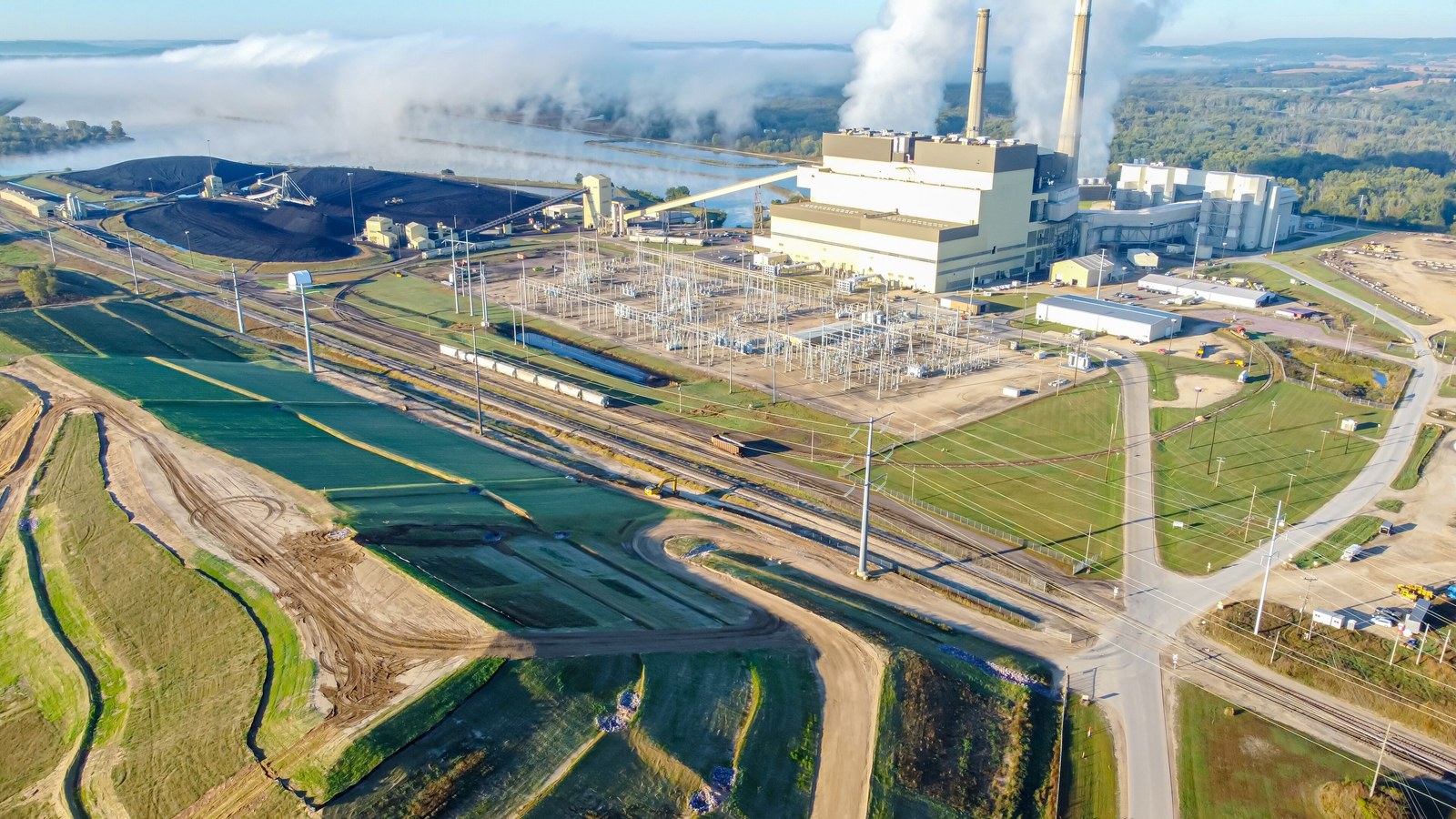
Image: a coal-fired plant near Portage, Wisconsin, 30 September 2024, Wikideas1, CC0, Wikimedia Commons. A Wisconsin plant, not the Jeffrey Energy Center in Kansas cited by NPR.
Sources consulted: U.S. greenhouse gas emissions grew the most of any G20 country last year — NPR; UNEP: Opportunity has been lost to meet 1.5C warming limit without overshoot — Carbon Brief; New UNEP report lays out emission cuts needed for return to 1.5°C — UNEP.











0 Comments
No comments on this article yet. Be the first!