


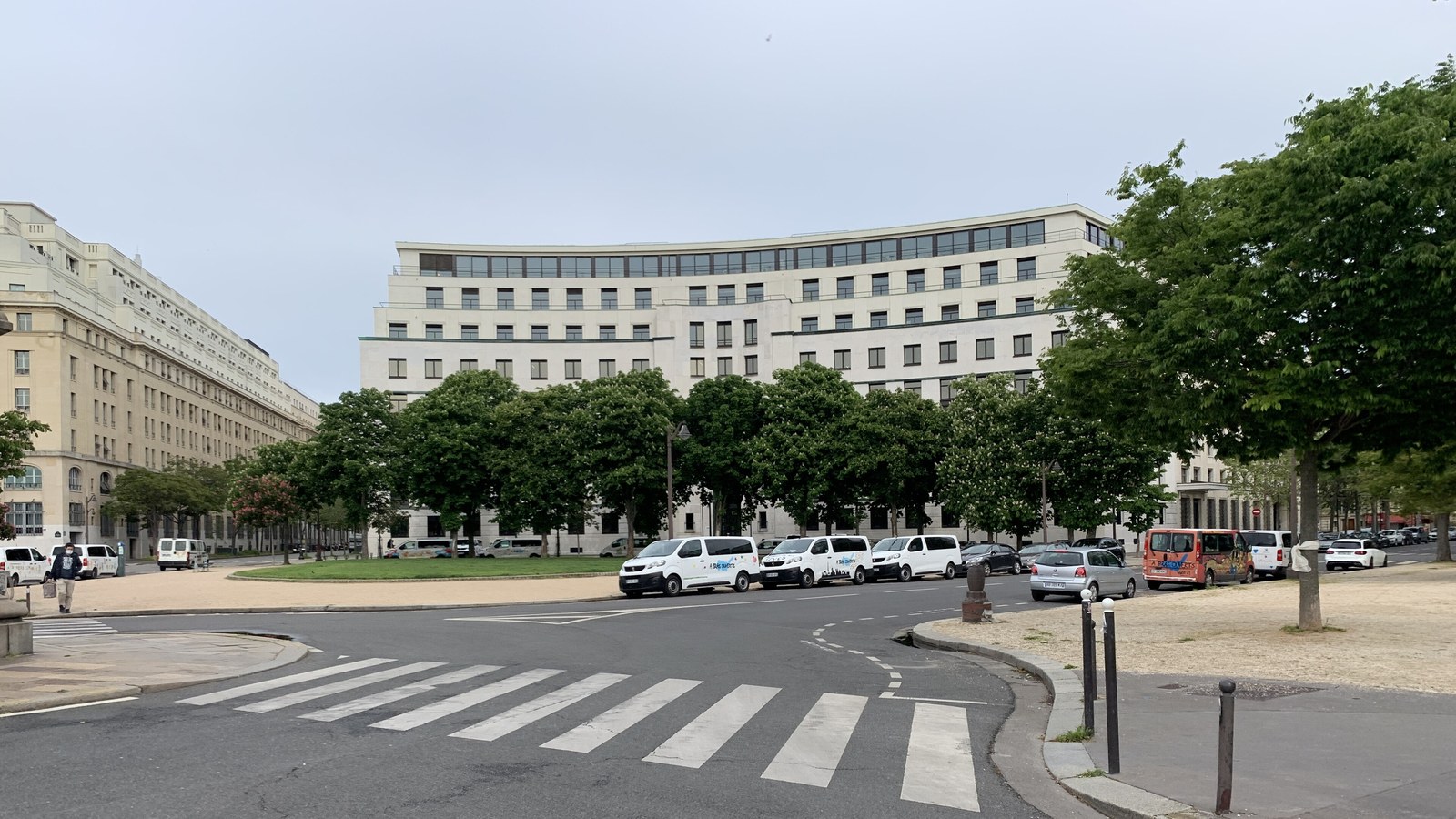
On 2 November 2001, in Paris, the UNESCO General Conference, at its 31st session, adopted the Convention on the Protection of the Underwater Cultural Heritage. The Arabic, Chinese, English, French, Russian and Spanish texts are equally authentic. The depositary is the Director-General. It is not the 1972 World Heritage Convention and it does not amend UNCLOS.
Article 1: underwater cultural heritage means all traces of human existence having a cultural, historical or archaeological character which have been partially or totally under water, periodically or continuously, for at least 100 years: sites, structures, artefacts and human remains, vessels, aircraft and their cargo, prehistoric objects, together with their context. Pipelines and cables on the seabed, and installations still in use, are excluded.
Article 2: States Parties cooperate and protect this heritage for the benefit of humanity, using the best practicable means at their disposal. In situ preservation is the first option. Recovered heritage shall be deposited and managed for the long term. Commercial exploitation is prohibited. Nothing alters sovereign immunities over State vessels and aircraft. Human remains in maritime waters shall be properly respected. Responsible non-intrusive in situ access is encouraged where it does not harm protection. No activity under the Convention is a ground for claiming sovereignty.
Article 3: the Convention is interpreted consistently with international law, including UNCLOS, without prejudice to the rights and jurisdiction set out there. Article 4: activities relating to this heritage are not subject to the law of salvage or of finds unless authorised, in full conformity with the Convention and ensuring maximum protection of any recovery. The Annex, by Article 33, has 36 Rules; Rule 1 confirms in situ as the first option, Rule 2 forbids trading, sale, purchase or barter as commercial goods.
Articles 7–12 allocate duties in the territorial sea, contiguous zone, EEZ, continental shelf and the Area. Article 27: the Convention enters into force three months after the twentieth instrument under Article 26, only for those twenty States; for each other State, three months after deposit. It entered into force on 2 January 2009. Article 30: no reservations are allowed, except under Article 29 on geographical scope.
The Convention is not a title to Titanic, Vasa or Mary Rose and does not replace Articles 149 or 303 of UNCLOS. Seizure of illicitly recovered objects is dealt with in Articles 14–18, not by an international salvage court.
Image: UNESCO headquarters, Place de Fontenoy, Paris, place of adoption; Chabe01, 11 May 2021; CC BY-SA 4.0, Wikimedia Commons. Cropped to 16:9.
Source consulted: Convention on the Protection of the Underwater Cultural Heritage. Treaty text: Convention on the Protection of the Underwater Cultural Heritage, Paris, 2 November 2001.











0 Comments
No comments on this article yet. Be the first!