


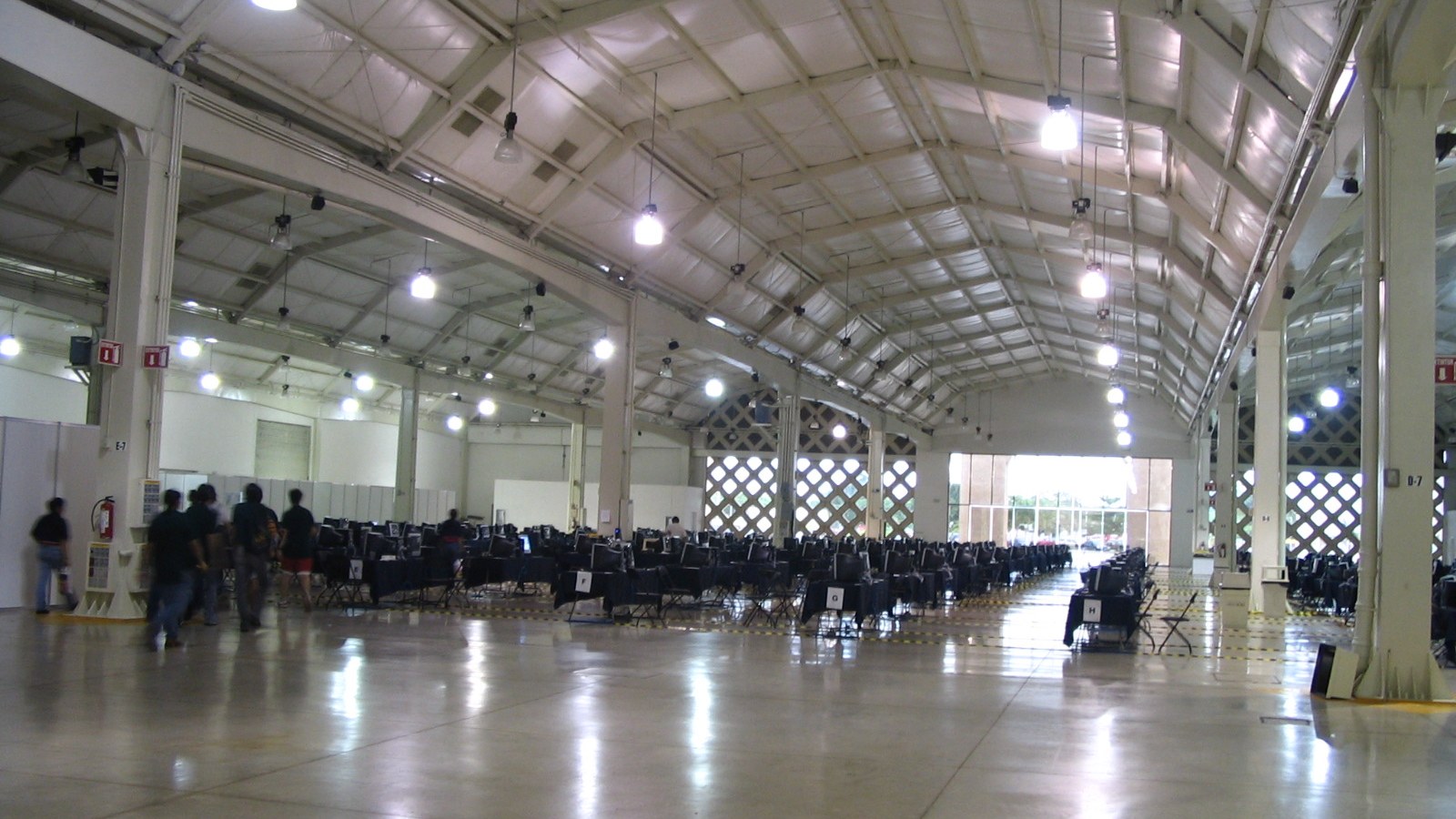
On 9 December 2003, in Merida, Yucatan, the United Nations Convention against Corruption was opened for signature at the High-level Political Signing Conference hosted by Mexico. The text had been adopted by the General Assembly in resolution 58/4 of 31 October. Authentic texts, equally authentic: Arabic, Chinese, English, French, Russian and Spanish. Depositary: the Secretary-General of the United Nations. 71 articles, eight chapters. It is not the 1997 OECD Convention on Combating Bribery of Foreign Public Officials and not the Palermo Convention against Transnational Organized Crime.
Article 1: the purposes are to promote measures to prevent and combat corruption; international cooperation and technical assistance, including asset recovery; and integrity, accountability and proper management of public affairs and public property. Article 2 defines, among other terms, public official, foreign public official and official of a public international organization; the Convention does not define corruption. Article 4: protection of sovereignty, in the spirit of the UN Charter. The preamble records that corruption is no longer a local matter but a transnational phenomenon.
Chapter II, Articles 5-14, requires preventive policies in the public and private sectors: independent preventive bodies, with resources and trained staff; merit-based recruitment and transparency in the public service, including, where appropriate, the funding of candidatures and political parties; codes of conduct and asset declarations; public procurement and the management of public finances; integrity of the judiciary; private-sector measures; participation of civil society and access to information; and the prevention of money-laundering.
Chapter III: mandatory offences include bribery of national public officials (Article 15), the promise, offering or giving of a bribe to a foreign public official or an official of a public international organization (Article 16 paragraph 1), embezzlement (Article 17), laundering of proceeds of crime (Article 23) and obstruction of justice (Article 25). States shall consider, without an identical duty of result, trading in influence, abuse of functions, illicit enrichment and bribery in the private sector. Liability of legal persons; protection of witnesses, victims and reporting persons; bank secrecy shall not impede investigation.
Chapter IV: the widest measure of cooperation - extradition, mutual legal assistance, transfer of proceedings, joint investigations. Dual criminality is deemed fulfilled irrespective of the terminology of the offence; for non-coercive measures, assistance is provided even in the absence of dual criminality, subject to the basic concepts of the legal system. The Convention may serve as a basis for extradition; corruption offences are not to be treated as political. Chapter V elevates asset recovery to a fundamental principle: direct civil actions, giving effect to foreign confiscation orders, and the return, especially of embezzled public funds, to the requesting State, with safeguards for bona fide third parties.
Chapter VI: technical assistance, training, research and information exchange, including through regional organizations and financial institutions. Article 62 links the fight against corruption to development. Chapter VII establishes the Conference of the States Parties, to improve capacity and cooperation and to promote and review implementation; the Secretary-General provides the secretariat, through the United Nations Office on Drugs and Crime.
Article 67: open for signature for three days in Merida, then at United Nations Headquarters in New York for two years; also open to regional economic integration organizations if at least one member State has signed; ratification, acceptance, approval or accession. Article 68: enters into force on the ninetieth day after deposit of the thirtieth instrument, hence 14 December 2005; for each later Party, on the thirtieth day, without counting a regional organization instrument as additional to those of its members. Article 71: the six languages, equally authentic; the act is dated New York, 31 October 2003. It is not the later peer-review Implementation Review Mechanism of the Conference of the States Parties.
Image: Chichen Itza hall, Siglo XXI, Merida; Kprateek88, 14 August 2006; CC BY-SA 3.0, Wikimedia Commons. Cropped to 16:9.
Source consulted: United Nations Convention Against Corruption. Treaty text: United Nations Convention against Corruption, Merida, 9 December 2003.











0 Comments
No comments on this article yet. Be the first!