


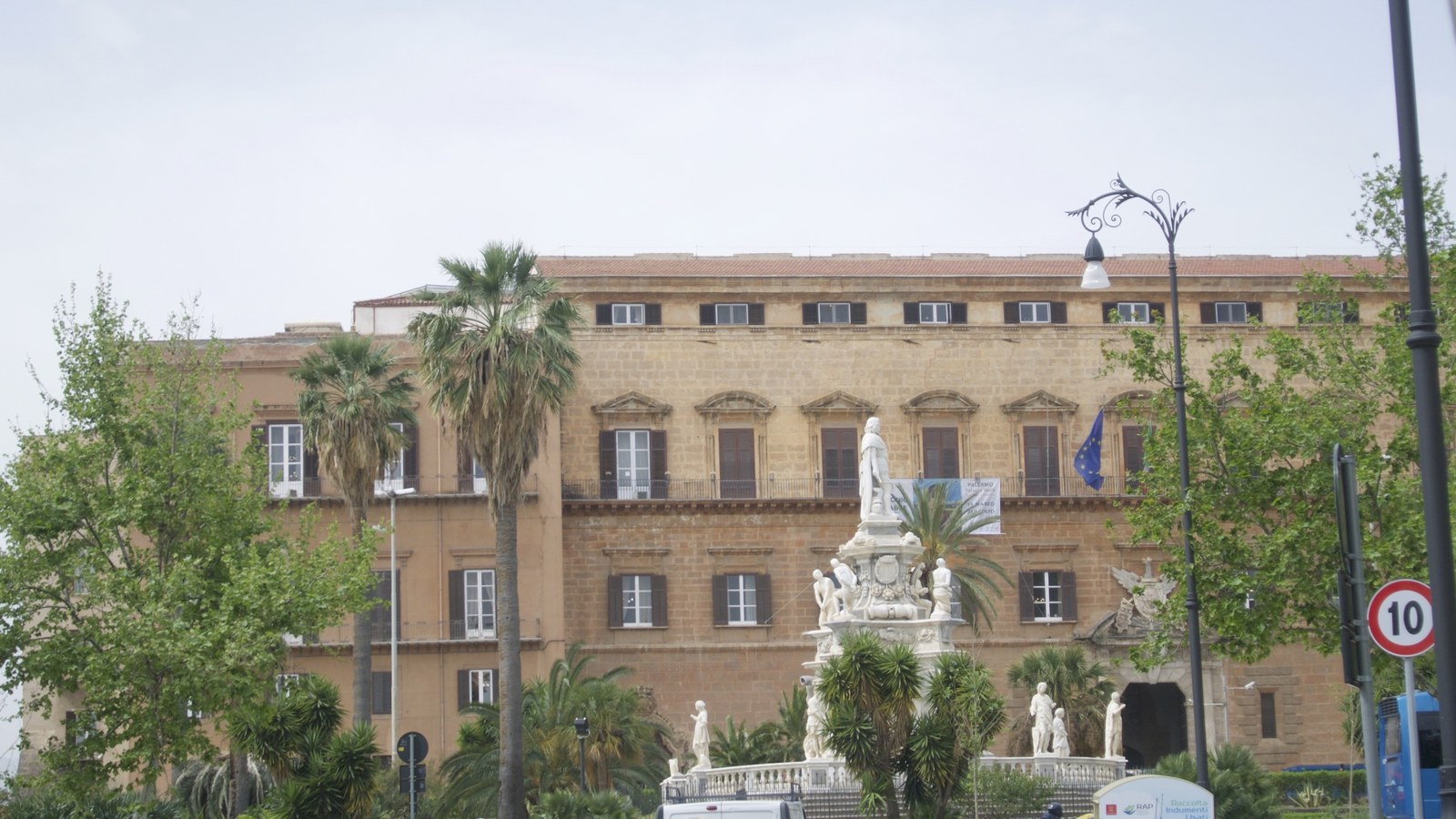
On 12 December 2000, in Palermo, the United Nations Convention against Transnational Organized Crime is opened for signature. Signature remains open in Palermo until 15 December, then at United Nations Headquarters in New York until 12 December 2002. It is not the Protocol against the Smuggling of Migrants, opened the same days, and not the Protocol to Prevent, Suppress and Punish Trafficking in Persons.
The General Assembly had adopted the Convention in New York on 15 November 2000, by resolution 55/25. It has 41 articles. Article 1 states the purpose: to promote cooperation to prevent and combat transnational organized crime more effectively. Article 36 also opens it to regional economic integration organizations, provided that at least one member State has signed. The authentic texts are Arabic, Chinese, English, French, Russian and Spanish. The depositary is the Secretary-General.
Article 2 defines an organized criminal group as a structured group of three or more persons, existing for a period of time and acting in concert with the aim of committing one or more serious crimes or offences established in accordance with the Convention, in order to obtain a financial or other material benefit. Serious crime means conduct punishable by a maximum deprivation of liberty of at least four years. A structured group is not randomly formed for the immediate commission of an offence. Article 3 applies the Convention, where the offence is transnational and involves such a group, to the offences in articles 5, 6, 8 and 23 and to serious crime.
Article 5 requires criminalization of intentional participation in an organized criminal group, including agreeing to commit a serious crime for a material benefit and taking an active part, with knowledge, in the group's activities. Article 6 requires criminalization of the laundering of proceeds of crime. Article 8 requires criminalization of corruption, in particular the promising, offering or giving to a public official of an undue advantage, and the solicitation or acceptance of such an advantage. Article 23 criminalizes obstruction of justice.
Article 16 regulates extradition for the offences covered, and article 18 requires the widest measure of mutual legal assistance. Article 10 provides for liability of legal persons. Articles 24 and 25 concern protection of witnesses and assistance to victims. Article 32 establishes a Conference of the Parties to review implementation of the Convention.
Article 38 provides that the Convention shall enter into force on the ninetieth day after the date of deposit of the fortieth instrument of ratification, acceptance, approval or accession. Those conditions were later met; the Convention entered into force on 29 September 2003. Article 41 designates the Secretary-General as depositary and deposits the original with that office. The United Nations Office on Drugs and Crime serves as secretariat.
It is not the United Nations Convention against Corruption, opened at Merida on 9 December 2003, and not the Firearms Protocol of 31 May 2001. It is not resolution 55/25 of 15 November as the event of the day, but the opening for signature in Palermo.
Image: Palazzo dei Normanni, Piazza del Parlamento, Palermo; Colsu, 13 April 2016; CC BY-SA 4.0, Wikimedia Commons. Cropped to 16:9.
Source consulted: United Nations Convention Against Transnational Organized Crime. Treaty text: United Nations Convention against Transnational Organized Crime, Palermo, 12 December 2000.











0 Comments
No comments on this article yet. Be the first!