


The Treaty concerning relations between the Union of Soviet Socialist Republics and the German Democratic Republic was signed at Moscow on 20 September 1955, in duplicate, in Russian and German, both texts equally authentic. The plenipotentiaries were N. A. Bulganin, Chairman of the Council of Ministers of the USSR, and Otto Grotewohl, Prime Minister of the GDR. Article 7: ratification; entry into force on the exchange of instruments, at Berlin, as soon as possible — 6 October 1955. It is not the Warsaw Pact of 14 May 1955, nor the Paris Agreements of 1954, which the preamble cites as the new situation.
The preamble invokes equality, respect for sovereignty and non-intervention, the reunification of Germany as a peaceful and democratic State, a peace treaty, and the obligations of existing international agreements relating to Germany as a whole. Article 1 reaffirms those principles and states that the GDR is free to take decisions on all questions of domestic and foreign policy, including its relations with the Federal Republic of Germany and with other States.
Article 2: readiness to take part, in a spirit of sincere co-operation, in international action to ensure peace and security, in conformity with the Charter of the United Nations; consultation on major international questions affecting the two States; and all measures within their power to prevent a breach of the peace. Article 3: the development of economic, scientific, technical and cultural ties, mutual economic assistance, and co-operation where necessary.
Article 4: Soviet forces stationed in the GDR under existing international agreements shall temporarily remain, with the consent of its Government, on conditions to be defined in a supplementary agreement; they shall not intervene in domestic affairs or in social and political life. No stationing itinerary. Article 5: the fundamental aim is a peaceful settlement for the whole of Germany, through a peace treaty and reunification on a peaceful and democratic basis. Article 6: the treaty remains in force until Germany is reunited or until the Parties agree to amend or terminate it.
On the same day a Bolz–Zorin exchange of letters, a separate instrument, addressed the control of traffic to West Berlin; it is not the body of the seven articles. The text consulted is the Secretariat translation in UNTS 3114, volume 226. The Two Plus Four Treaty of 1990 is a later final-settlement instrument.
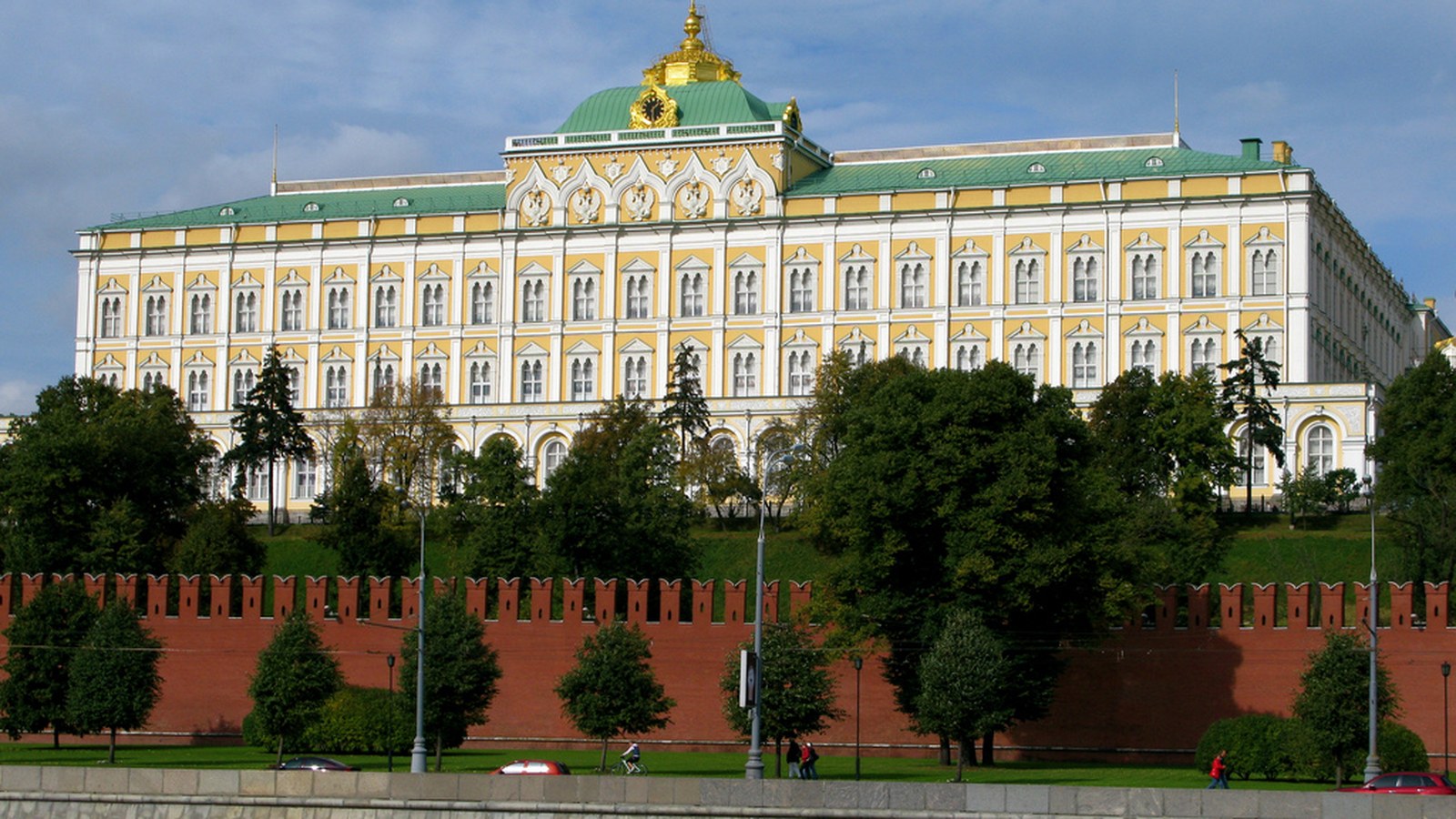
Cover: the Grand Kremlin Palace in Moscow, the signing venue; we do not claim the hall. Wikimedia Commons, free licence.
Sources consulted: Treaty on Relations between the USSR and the GDR; UNTS 3114 Treaty concerning relations between the USSR and the GDR.











0 Comments
No comments on this article yet. Be the first!