


On 16 January 1992, in Valletta, the European Convention on the Protection of the Archaeological Heritage (Revised), ETS No. 143, was opened for signature. The ceremony coincided with the Third European Conference of Ministers responsible for the Cultural Heritage, held in the city over two days. It is open to member States of the Council of Europe and the other States party to the 1954 European Cultural Convention, and is subject to ratification, acceptance or approval. Authentic languages: English and French, in a single copy deposited in the archives of the Council of Europe. Depositary: the Secretary General. It replaces the London convention of 6 May 1969: a State party to that instrument may not deposit for the revised text unless it has already denounced it or denounces it simultaneously.
Article 1(1): the aim is to protect the archaeological heritage as a source of the European collective memory and as an instrument for historical and scientific study. Article 1(2)–(3): remains, objects and any other traces of humankind from past epochs, on land or under water, whose preservation and study help retrace the history of humankind and its relation with the natural environment, for which excavations and other archaeological methods are the main sources of information, and which lie within the jurisdiction of the Parties — including structures, constructions, groups of buildings, developed sites, movable objects and their context.
Article 2: each Party undertakes to institute a legal system appropriate to the State: an inventory and designation of protected monuments and areas; archaeological reserves even where no remains are visible; mandatory reporting of chance finds. Article 3: authorisation and supervision of excavation, non-destructive methods wherever possible, qualified specially authorised persons, and prior authorisation for metal detectors where domestic law so provides. Article 4: physical protection, conservation preferably in situ, and storage for remains removed from their original location.
Article 5: archaeologists take part in planning policies and in the stages of development schemes; systematic consultation with town and regional planners; environmental impact assessments consider archaeological sites; conservation in situ when feasible; public access must not adversely affect the scientific character of sites. Article 6: public financial support for research; in major public or private development schemes, the total costs of necessary related archaeological operations, including survey, recording and publication, are to be provided for in the same way as for environmental impact studies.
Articles 7–8: up-to-date surveys, inventories and maps, a publishable scientific summary record, and exchanges of heritage elements for professional scientific purposes and of information on research in progress. Article 9: educational action and public access. Article 10: pooling of information on illicit excavations, notice to the State of origin that is a Party, and State-controlled museums that do not acquire suspected material; this is not a trafficking handbook. Article 13: a committee of experts set up by the Committee of Ministers monitors application.
Article 14(3): the revised Convention enters into force six months after four States, including at least three member States of the Council of Europe, have expressed their consent to be bound. According to the United Nations Treaty Series note, that date was 25 May 1995, after the deposits of Hungary, Bulgaria, Finland and Malta. Article 15: thereafter the Committee of Ministers may invite other non-member States and the European Economic Community to accede. Registered by the Secretary General of the Council of Europe, acting on behalf of the Parties, on 14 March 1997 (UNTS vol. 1966, I-33612).
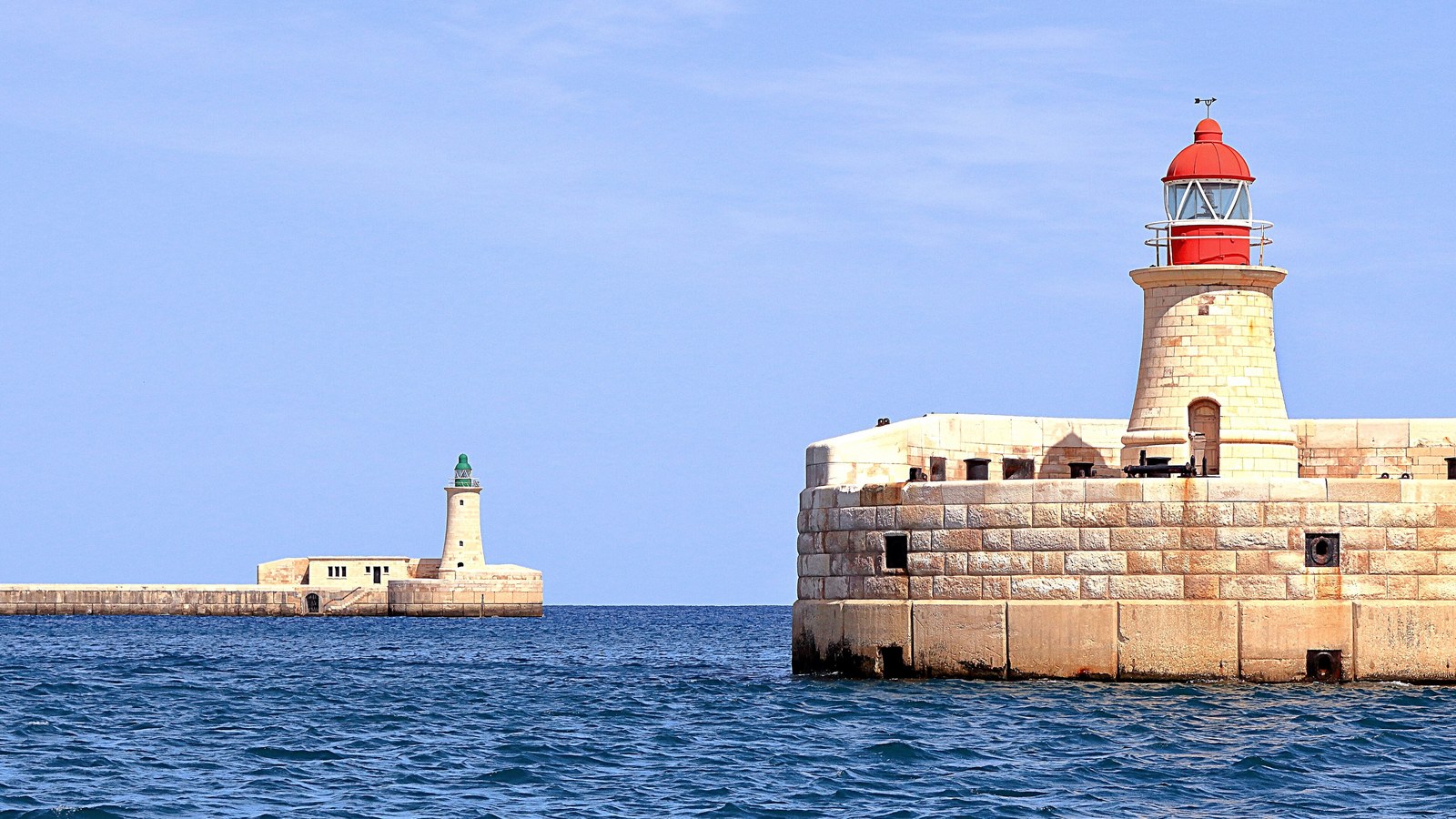
The Grand Harbour at Valletta, Malta, the city of the cultural-heritage ministers’ conference at which the convention was opened for signature. Wikimedia Commons, free licence.
For context: Valletta Treaty. The text: European Convention on the Protection of the Archaeological Heritage (Revised).











0 Comments
No comments on this article yet. Be the first!