


The Council of Europe Convention on Laundering, Search, Seizure and Confiscation of the Proceeds from Crime and on the Financing of Terrorism was opened for signature in Warsaw on 16 May 2005 as Treaty No. 198. It is not the 1990 Strasbourg Convention (ETS 141), which it updates, nor the Council of Europe Convention on the Prevention of Terrorism (CETS 196), opened the same day. The authentic texts are English and French, in a single copy deposited in the archives of the Council of Europe. The Secretary General transmits certified copies. It was registered with the United Nations as UNTS No. 45796, volume 2569.
The preamble links the fight against serious crime, which has become an international problem, to modern methods: depriving criminals of the proceeds of crime and of instrumentalities, and establishing a well-functioning system of international co-operation. It recalls ETS 141, Security Council Resolution 1373 (2001), particularly paragraph 3.d, and the International Convention for the Suppression of the Financing of Terrorism of 9 December 1999, Articles 2 and 4, which oblige States Parties to establish the financing of terrorism as a criminal offence. No financing or laundering handbook is transcribed.
Article 1 defines, for the Convention, proceeds (any economic advantage derived from criminal offences), property, instrumentalities, confiscation as a court-ordered final deprivation, predicate offence, the financial intelligence unit as a central national agency for receiving, analysing and disseminating disclosures, freezing or seizure as a temporary prohibition, and financing of terrorism by reference to Article 2 of the 1999 UN convention. Article 2: each Party shall adopt the measures necessary to apply Chapters III to V to the financing of terrorism, including property of licit or illicit origin used or allocated for that purpose. Investigative techniques are not transcribed.
Chapter III requires Parties to be able to confiscate instrumentalities, proceeds or property of corresponding value, including transformed or intermingled property and derived income, within the limits provided. The Convention provides for financial intelligence units and preventive measures, without describing an operational reporting regulation. Chapter IV organises international co-operation to the widest extent possible for investigations and confiscation proceedings, with a central authority; grounds for refusal and the form of requests remain at the level of principle. No cross-border seizure protocol is transcribed.
Article 48 establishes a monitoring mechanism through the Conference of the Parties and a path for the settlement of disputes. Article 49: open for signature by the member States of the Council of Europe, the European Community and non-member States which have participated in its elaboration; instruments are deposited with the Secretary General. It enters into force on the first day of the month following the expiration of three months after six Signatories, of which at least four are Council members, have expressed their consent to be bound. The Treaty Office records 1 May 2008. No Party to the 1990 Convention may ratify this one without considering itself bound by at least the corresponding provisions of the 1990 Convention to which it is already bound. Between Parties to both, the 2005 text applies.
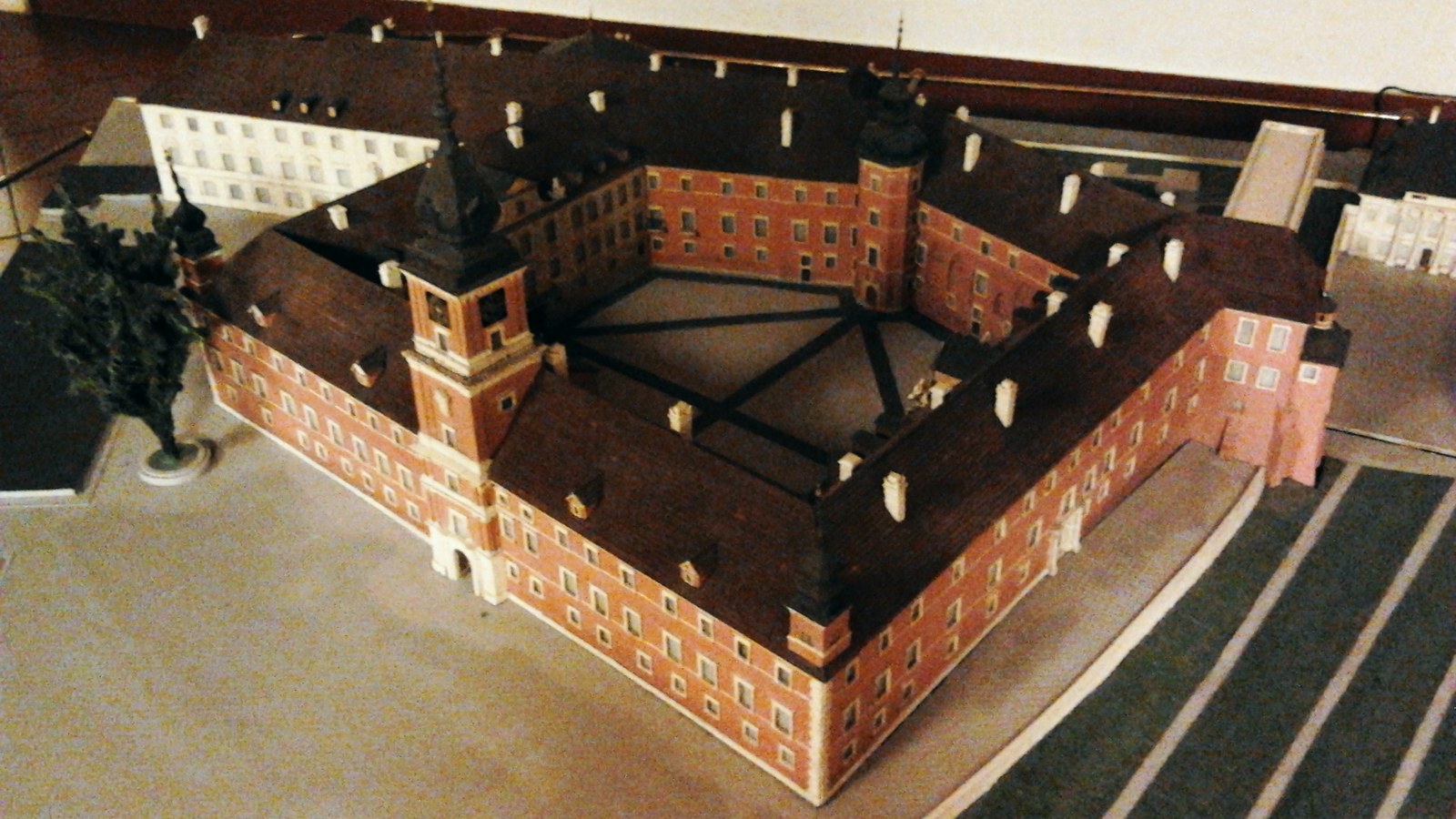
Cover: the Royal Castle in Warsaw, the capital of the place of signature, at the time of the Third Summit of the Council of Europe; we do not claim the hall. Wikimedia Commons, free licence.
Sources consulted: 2005 Warsaw Convention; Council of Europe Convention on Laundering, Search, Seizure and Confiscation of the Proceeds from Crime and on the Financing of Terrorism (CETS No. 198).











0 Comments
No comments on this article yet. Be the first!