


The Treaty on Intellectual Property in Respect of Integrated Circuits was done at Washington on 26 May 1989, at the diplomatic conference convened under the auspices of the World Intellectual Property Organization. A single original, the English, Arabic, Chinese, French, Russian and Spanish texts being equally authentic. Depositary: the Director General of WIPO. It is not the Paris Convention, not the Berne Convention, which Article 12 leaves untouched, and it is not the TRIPS Agreement, which later took over, with modifications, some of the standards. It is not in force.
Article 1 constitutes a Union. Article 2 defines, at framework level, an integrated circuit and a layout-design (topography)—the three-dimensional disposition of elements and interconnections. Article 3: each party shall secure protection for original layout-designs, the result of their creators' own intellectual effort and not commonplace at the time of creation; the right applies whether or not the circuit is incorporated in an article. Article 4: the domestic legal form is free: a special law, copyright, patents, designs, unfair competition, or a combination.
Article 5: national treatment for natural persons and legal entities of the other parties, with the usual reservations as to agents and court procedure. Article 6, as a matter of principle: reproducing, importing, selling or commercially distributing without the right-holder's authorization are unlawful; exceptions remain for private use, evaluation, analysis, research or teaching, independently created original topographies, and exhaustion of rights. Non-voluntary licences are a domestic legal possibility, subject to judicial review; a licence calculator and a mask-copying guide are not set out here.
Article 7: parties may make protection depend on ordinary commercial exploitation or on registration, with a filing period of at least two years from first exploitation. Article 8: protection shall last at least eight years. Article 9: an Assembly of the Union, ordinarily every two years; Article 10: the International Bureau of WIPO administers the Union, with no compulsory contributions from the parties. Article 13: no reservations may be made.
Article 15: WIPO or United Nations member states and competent intergovernmental organizations may become parties by signature followed by ratification, acceptance or approval, or by accession. Article 16: the treaty enters into force three months after the fifth instrument; only three states have so far ratified or acceded, so the threshold is unmet. Article 17: denunciation effective after one year. Article 20: open for signature with the Government of the United States until 25 August, then at WIPO headquarters until 25 May 1990.
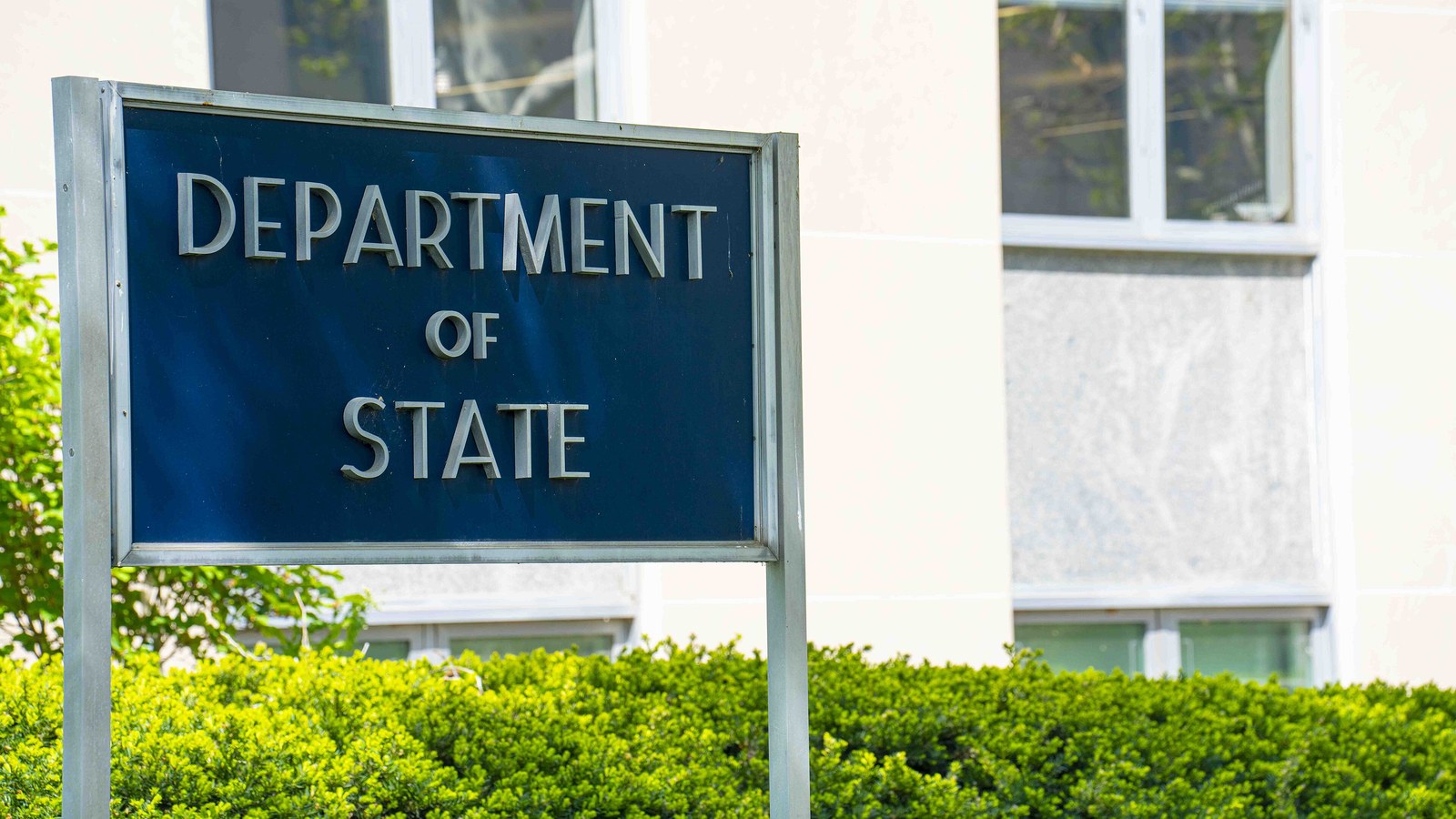
Cover: the Harry S. Truman Building in Washington, seat of the Department of State; we do not claim the conference hall. Wikimedia Commons, free licence.
Sources consulted: Washington Treaty on Intellectual Property in Respect of Integrated Circuits; Treaty on Intellectual Property in Respect of Integrated Circuits (WIPO Lex).











0 Comments
No comments on this article yet. Be the first!