


Three Asian elephant calves at Werribee Open Range Zoo, near Melbourne, have been given an experimental vaccine against elephant endotheliotropic herpesvirus, EEHV. ABC was there on injection day. They are the first calves in Australia in this trial. The vaccine is not a licensed treatment and is not medical advice for people or for other animals.
EEHV haemorrhagic disease has no cure. In calves, internal bleeding can kill within 24 hours. Researchers have counted more than 90 deaths in calves under human care in 25 years. Tabitha Hoornweg, of Utrecht University, also estimates 100 to 150 wild calves. Wild figures remain estimates, not a census.
At Werribee the memory is specific. Man Jai, born in 2013, died of EEHV in August 2023 at the age of nine, though the disease usually hits younger animals. Keeper Lucy Truelson, who saw him born, said the team worked day and night and still lost. Zoos Victoria's own FAQ confirms the death and weekly testing of susceptible elephants since then.
The Dutch group is one of three, with teams in the United States and the United Kingdom, working on a vaccine. About three years ago six adult elephants in Dutch zoos had no dangerous side effects. That showed safety, not protection for calves. Eleven calves in Europe have already had the shot. Whether it immunises them is still the open question.
At Werribee, three calves, including Roi-Yim with his mother Mali, stood in training pens with fruit and a whistle. Veterinarian Natalie Rourke injected a thigh after the skin was washed. The calves weigh about 1,400 kilograms. The protocol is voluntary: if the animal will not stand, the injection is not forced.
Since Man Jai died, the herd has had PCR and blood tests. A saline "trunk wash", blown into a bag, looks for the virus before symptoms. The zoo's FAQ still says there is no vaccine and that research continues. ABC's report describes a trial, not a product on the shelf. The two fit: this is not routine immunisation.
Hoornweg wants to know whether the serum protects calves, not only whether it is safe in adults. Truelson calls the trial part of Man Jai's legacy. Until efficacy data exist, it remains a controlled experiment in a herd already under watch, not a victory over the virus.
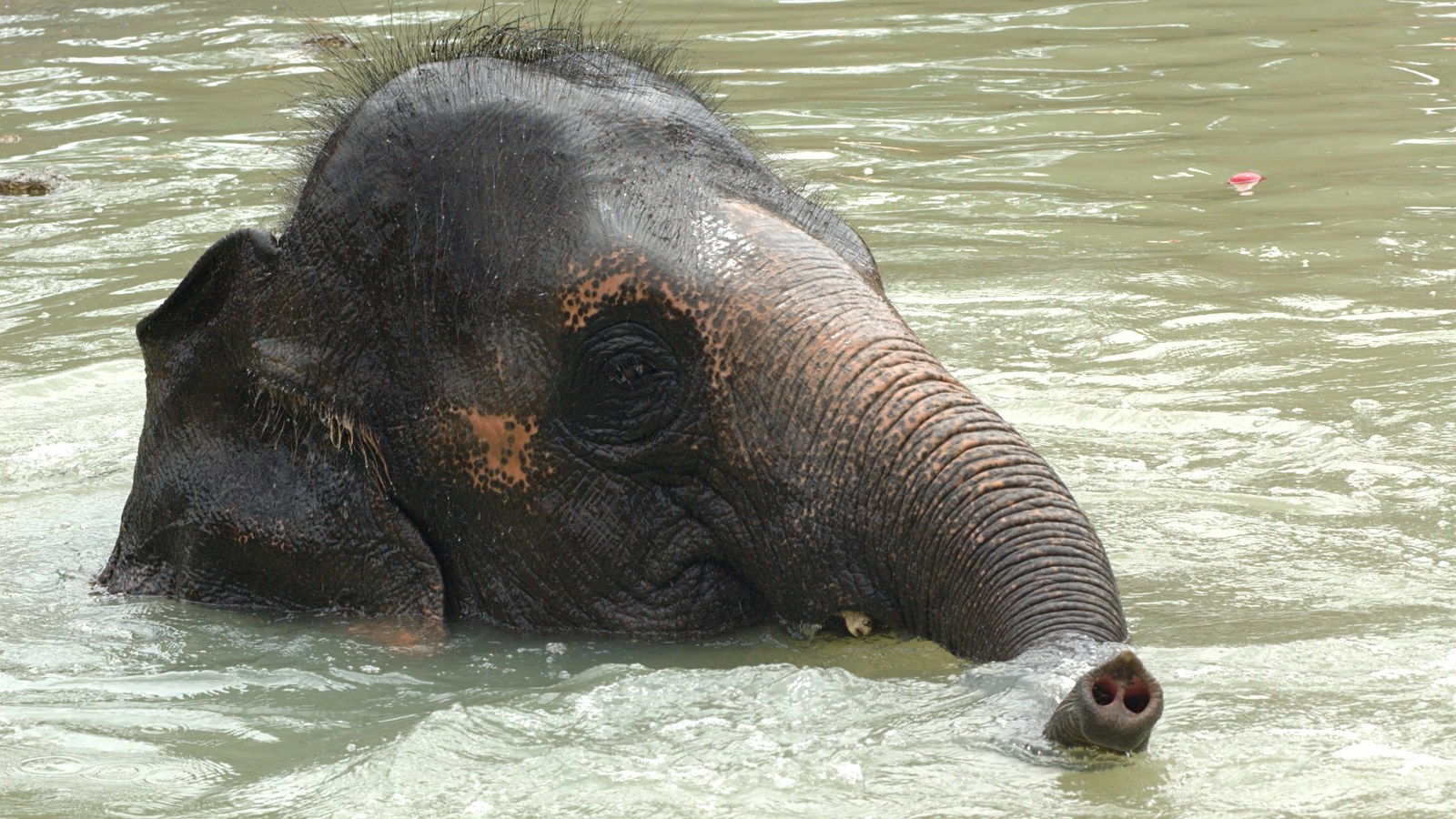
Image: Gary Houston, Asian elephant at Melbourne Zoo, 2007, CC0, Wikimedia Commons; the same Zoos Victoria network, not the calves vaccinated in October 2026.
Sources consulted: Elephant calves first in Australia to be vaccinated against deadly virus - ABC News; Elephant move FAQs - Zoos Victoria.











0 Comments
No comments on this article yet. Be the first!