


On 22 November 2005, in Nairobi, eleven range States — Benin, Burkina Faso, Cote d Ivoire, Guinea, Guinea-Bissau, Liberia, Mali, Niger, Nigeria, Sierra Leone and Togo — signed the Memorandum of Understanding concerning Conservation Measures for the West African Populations of the African Elephant (Loxodonta africana). The UNEP/CMS Secretariat and the IUCN Species Survival Commission signed as cooperating organizations. It is not the Bonn Convention of 1979 and not CITES. The original texts in English and French are deposited with the CMS Secretariat, which acts as Depositary.
The preamble lists thirteen range States, including Ghana and Senegal, which signed later. The species appears on CMS Appendix II. The Strategy for the Conservation of West African Elephants, developed by the IUCN/SSC African Elephant Specialist Group with support from WWF in 1999 and updated in March 2005, is annexed. Point 9: the Strategy is an integral part of the Memorandum.
Points 1 to 7: the signatories will take steps to conserve and, where appropriate, strictly protect the species and to conserve and sustainably use habitats essential for its survival; review national legislation and ratify or accede to the most relevant conventions, particularly as to domestic and international ivory trade; subject to resources, implement the Strategy (evaluate status, maintain and increase populations, improve habitats); facilitate rapid exchange of scientific, technical and legal information, with the IUCN/SSC Group as technical advisor; assess implementation at meetings convened by the CMS Secretariat and hosted by a range State; designate a contact authority; and provide the Secretariat, at least every two years, with a national implementation report.
Point 8: this Memorandum is an agreement under CMS Article IV, paragraph 4, notwithstanding that it is not a legally binding agreement. Point 12 repeats that nothing in it will be legally binding on any of the signatories either individually or collectively. Point 10: it takes effect immediately for those three or more range States that have signed it; it remains open for signature indefinitely; it becomes effective for each subsequent range State on the date of signature. Any signatory may terminate its participation by one year's written notice to all the others. Point 11: amendment by consensus of all signatories. Point 16: the working languages are English and French.
Senegal signed on 8 January 2007, Ghana on 30 May 2007. The CMS Secretariat provides secretariat functions and may use the services of any reliable organization.
It is not the African Convention of Maputo of 2003, not the African Elephant Action Plan of 2010 and not the CITES MIKE programme.
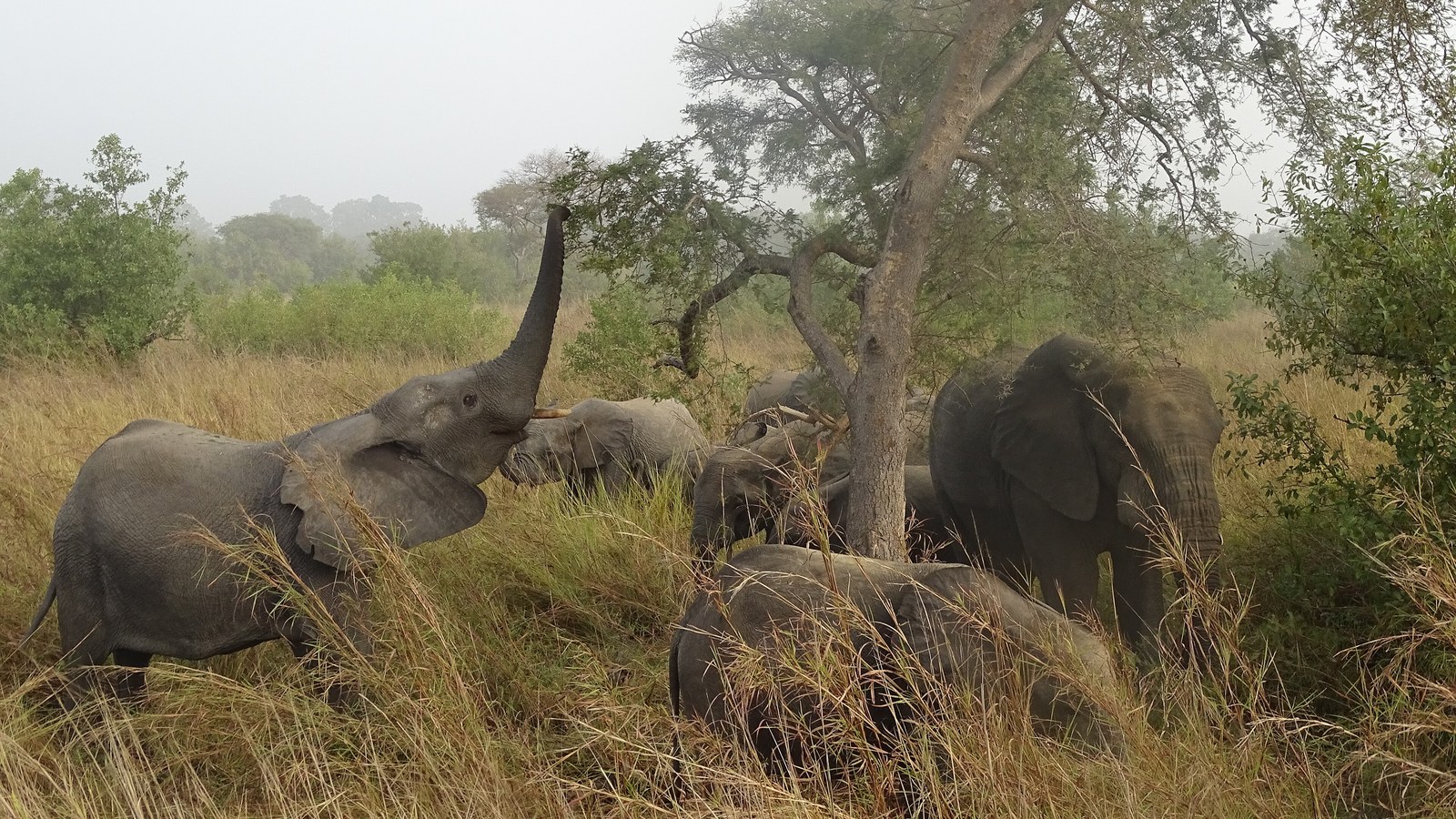
Image: African elephants in Pendjari National Park, Benin, a range State; Farid Amadou Bahleman, 21 June 2019; CC BY-SA 4.0, Wikimedia Commons. Cropped to 16:9.
Source consulted: West African Elephant Memorandum of Understanding. Treaty text: Memorandum of Understanding concerning Conservation Measures for the West African Populations of the African Elephant, Nairobi, 22 November 2005.











0 Comments
No comments on this article yet. Be the first!