
The World Health Organization said on 18 September 2026 that the global health-workforce shortfall could reach 11.1 million workers by 2030. The figure revises upward the 2022 estimate of 10.2 million and comes from the National Health Workforce Accounts series, using data from dozens of countries.
The worldwide stock now exceeds 70 million workers, and density has risen since 2006. The improvement masks inequality: doctor density remains about 13 times higher in WHO’s European Region than in the African Region. The shortage is increasingly concentrated in Africa and the Eastern Mediterranean.
The report’s theme is simultaneous ageing of populations and of the workforce. Nearly one in four doctors, in data from 122 countries, is older than 55 and due to retire within a decade. In high-income countries the share approaches one in three.
WHO estimates that 67 countries would be unable, by 2030, to keep their 2024 age-standardised workforce density. About 832,000 extra workers would be needed just for that threshold, mainly in high-income countries, where demand for care rises with population age.
International recruitment can fill some gaps but shifts pressure onto more fragile systems. The organisation calls for training, retention, working conditions and retirement planning, not only imported staff.
The projections are not fate. Policy over the coming years, productivity, technology and geographic distribution can change the size of the gap. The numbers remain estimates, not a 2030 result already recorded.
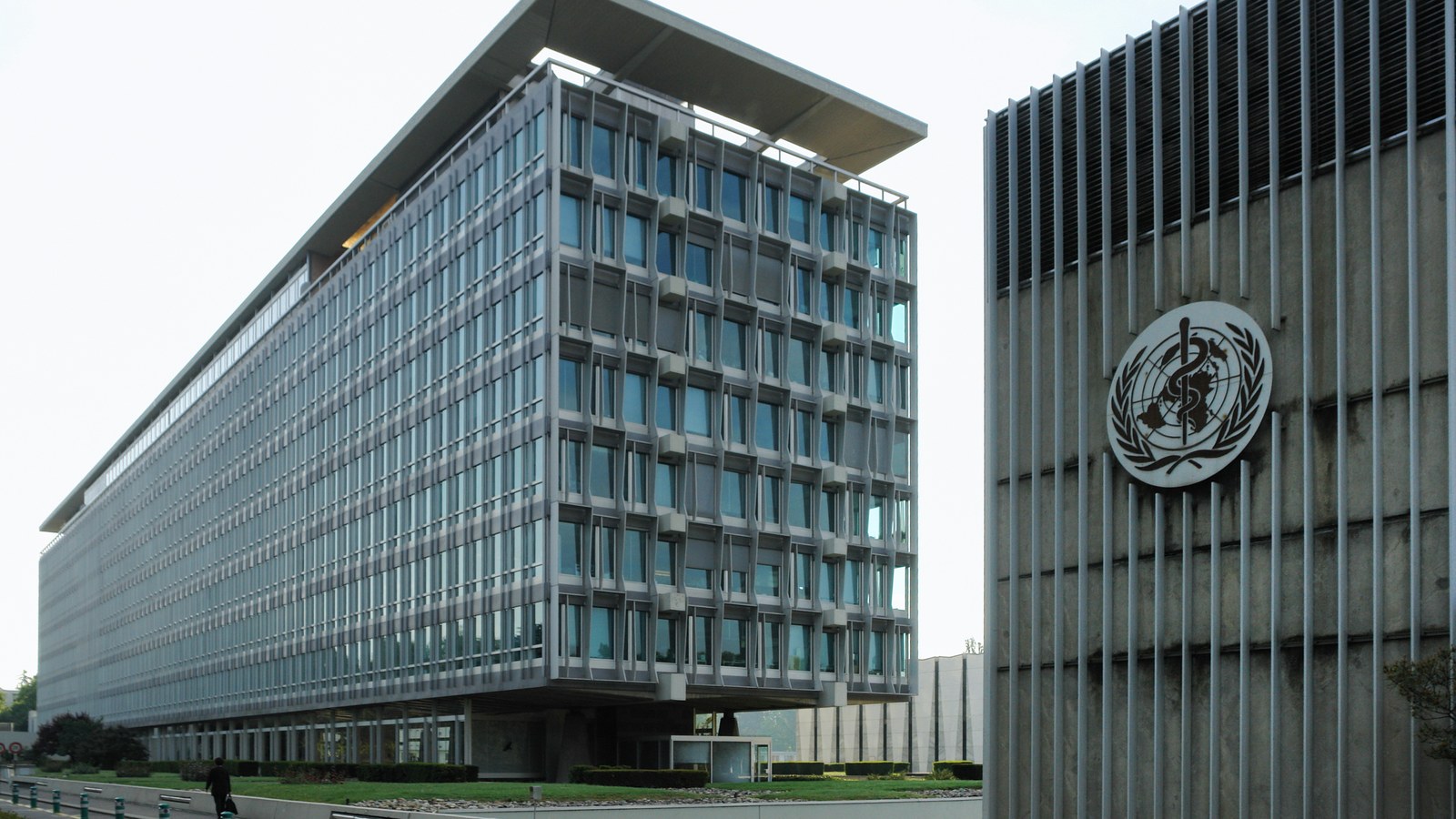
Image: WHO headquarters, Geneva, 2007 / Wikimedia Commons. The building, not the 18 September 2026 announcement. Cropped to 16:9.
Source consulted: WHO — One in four doctors nearing retirement age as WHO warns of global health workforce gap; WHO — National health workforce accounts: health workforce levels and trends 2026.






0 Comments
No comments on this article yet. Be the first!