
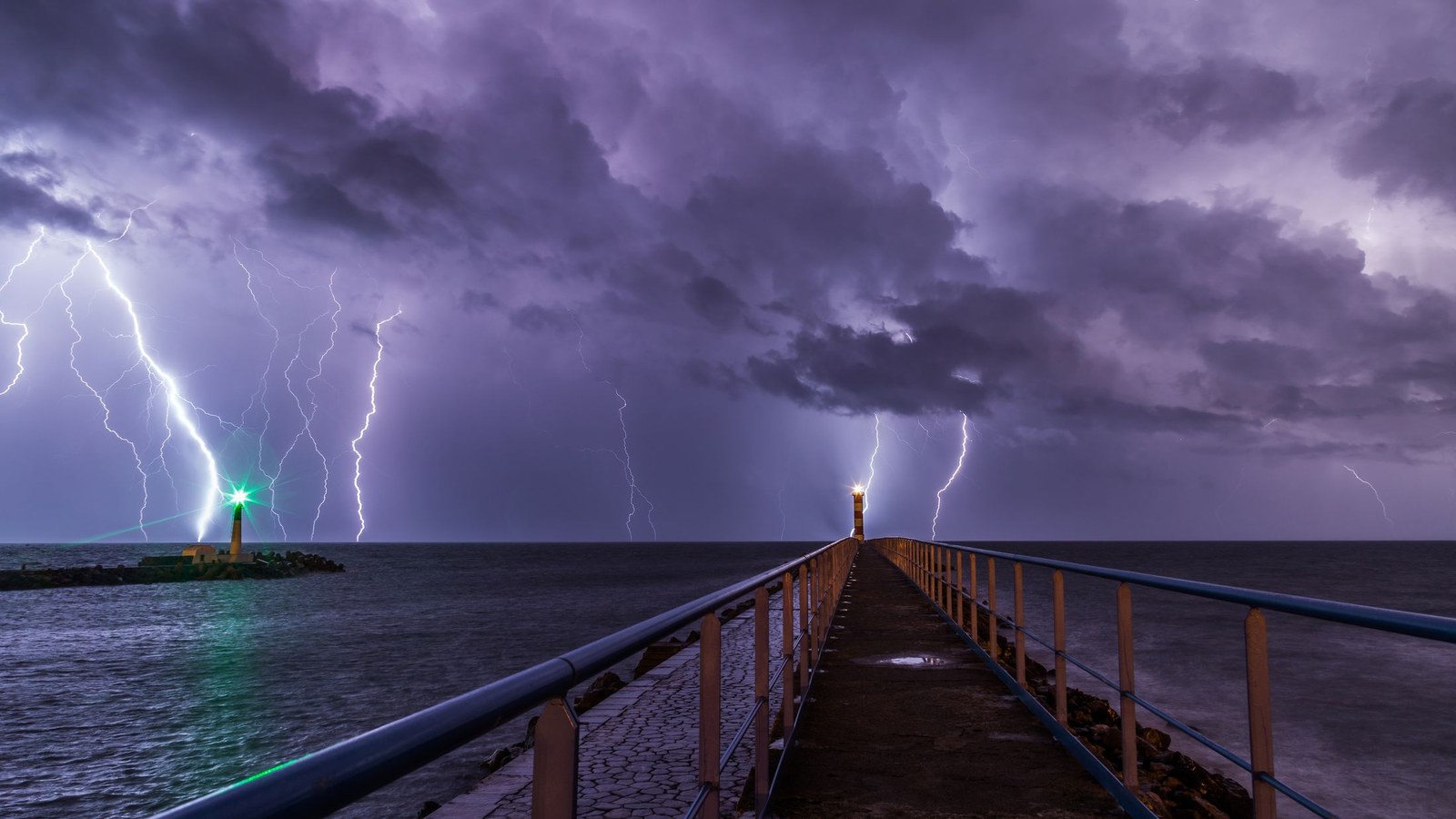
Lightning and thunder are two faces of the same discharge. The channel heats violently; air expands and makes a shock wave. Light leaves almost at once. Sound, through air at about 343 m/s at 20 °C, lags behind.
The speed of light, nearly 300,000 km/s, makes travel time over a storm’s distance negligible without instruments. That is why we see the flash “now” and hear the bang later. The farther you are, the longer the pause.
A rough rule: seconds between light and sound, divided by three, give kilometres. Five seconds is about 1.7 km. The National Weather Service notes that the channel is long and branched; sound arrives from several points. Counting does not mark a safe zone.
The drawn-out rumble comes from the length of the channel, from echoes and from refraction. If you hear thunder, you are close enough to be at risk. Weather services ask for shelter in a substantial building or hard-topped vehicle and at least 30 minutes after the last thunder before going outdoors again.
The Met Office and NOAA repeat the same safety logic. Distance estimates are indicative, not a permit to stay in a field.
This article does not replace local alerts. It explains why the eye beats the ear: two speeds, one phenomenon.
If thunder is heard, seek shelter.
Image: lightning storm, Port-la-Nouvelle / Wikimedia Commons. A Mediterranean harbour at night, not a British city. Cropped to 16:9.
Source consulted: Understanding Lightning: Thunder | U.S. National Weather Service; Thunder and lightning | Met Office.










0 Comments
No comments on this article yet. Be the first!