
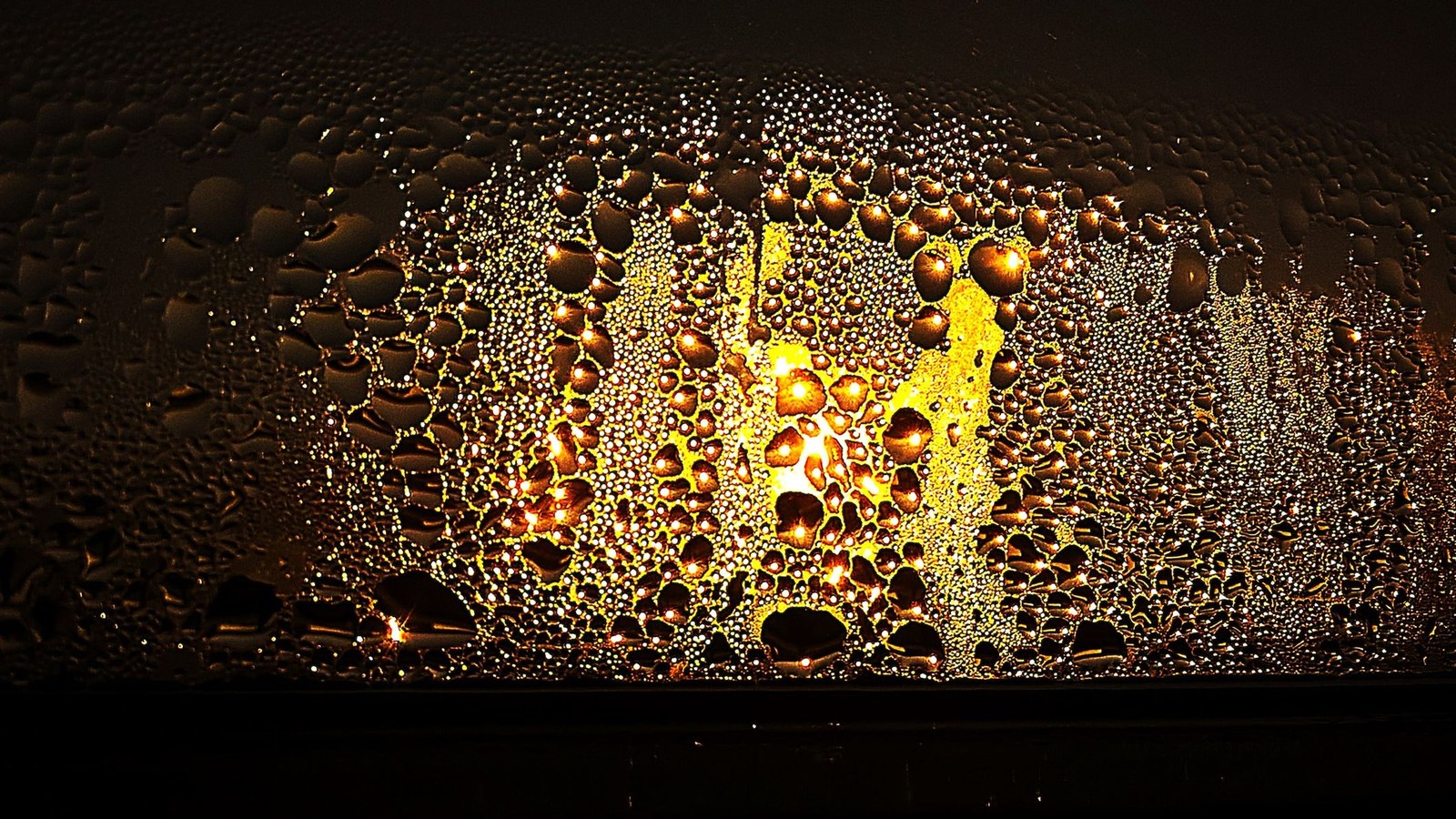
After a hot shower, a mirror mists over. In winter a window does the same. In a car, visibility falls. In every case, water vapour condenses on a surface colder than the dew point.
Warm air can hold more invisible vapour than cold air. When a layer of air cools beside glass, relative humidity rises to saturation. The surplus becomes liquid droplets. The droplets are small and many; they scatter light and make the surface look white.
Ventilation removes humid air. Warming the pane keeps it above the dew point. In a car, air conditioning dehumidifies even when used with warm air. Long recirculation keeps breath moisture in the cabin.
Occasional condensation is ordinary physics. Daily condensation with mould signals high humidity, weak ventilation or very cold walls. UK housing guidance asks for the cause to be treated, not only for the water to be wiped.
The Met Office and National Weather Service define dew point as the temperature at which condensation begins. This article does not calculate a particular pane; it explains the threshold.
Wiping helps for a moment. A bathroom fan, a cooker hood and repaired leaks keep fogging in check.
The mist on glass is water made visible, not a mysterious film.
Image: condensation on a window at sunset / Wikimedia Commons. A window, not a bathroom mirror. Cropped to 16:9.
Source consulted: Humidity | Met Office; Dew Point vs Humidity | U.S. National Weather Service.










0 Comments
No comments on this article yet. Be the first!