
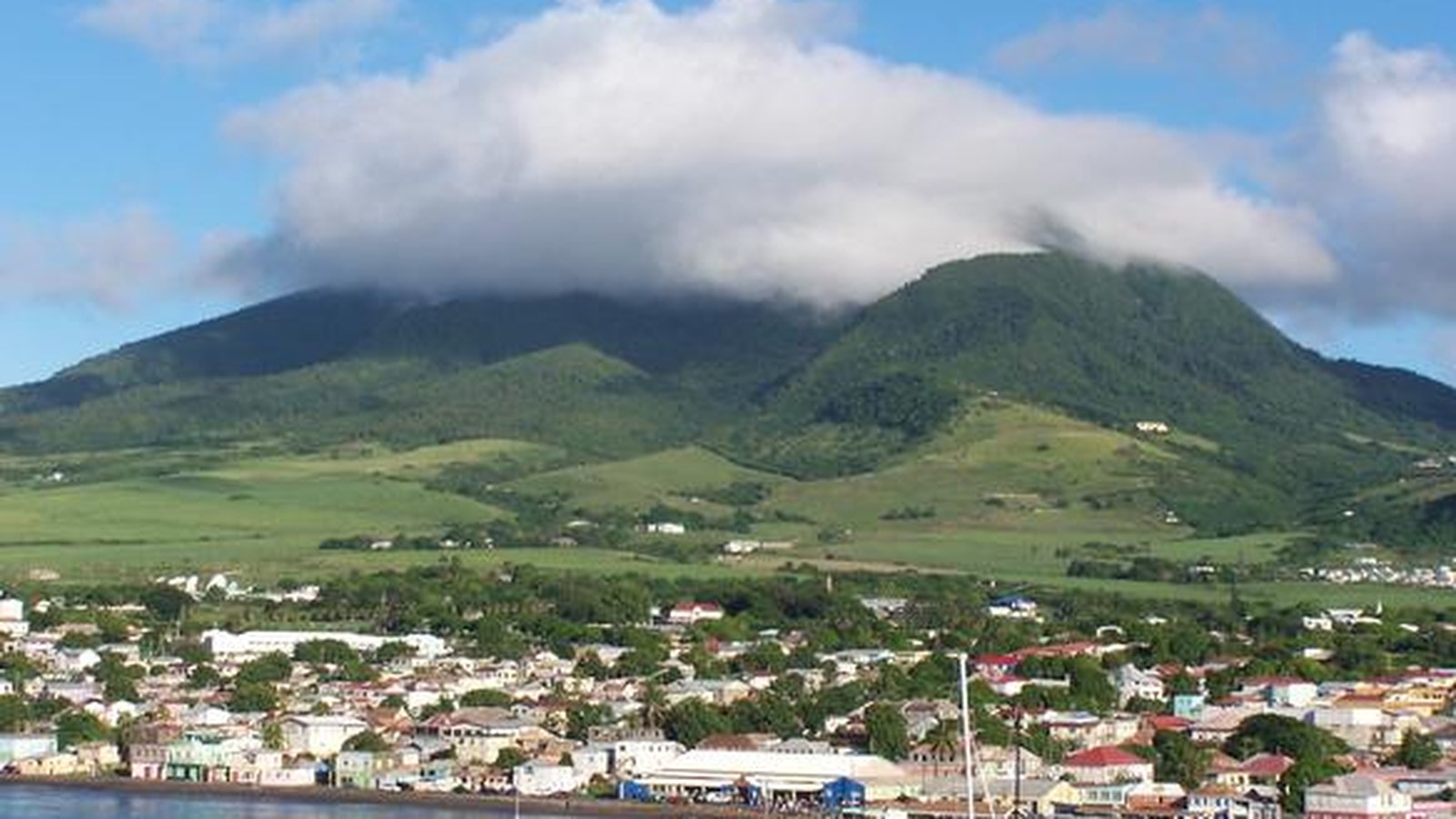
On 19 September 1983, the federation of Saint Kitts and Nevis became a sovereign state, ending associated status with the United Kingdom. The capital is Basseterre on Saint Kitts; Nevis has its own assembly and a significant degree of internal autonomy, written into the constitution that took effect that day.
The islands in the eastern Caribbean passed, in the colonial era, through British and French control. The plantation economy long depended on the labour of enslaved people. The history of independence does not erase that foundation.
In 1967, Saint Christopher-Nevis-Anguilla became an associated state with internal self-government. Anguilla later separated. Saint Kitts and Nevis continued its constitutional path until 19 September 1983.
After independence the country remained in the Commonwealth as a constitutional monarchy. The sovereign is represented by a governor-general; day-to-day government belongs to elected institutions. The current official name is Saint Kitts and Nevis; older papers use Saint Christopher and Nevis or St. Christopher-Nevis-Anguilla.
Independence Day is a celebration of identity and a moment to look at the relationship between the two islands. Nevis’s autonomy is a constitutional fact, not a flourish of speeches.
The 43rd anniversary describes sovereignty gained, not a complete economic biography of the eastern Caribbean.
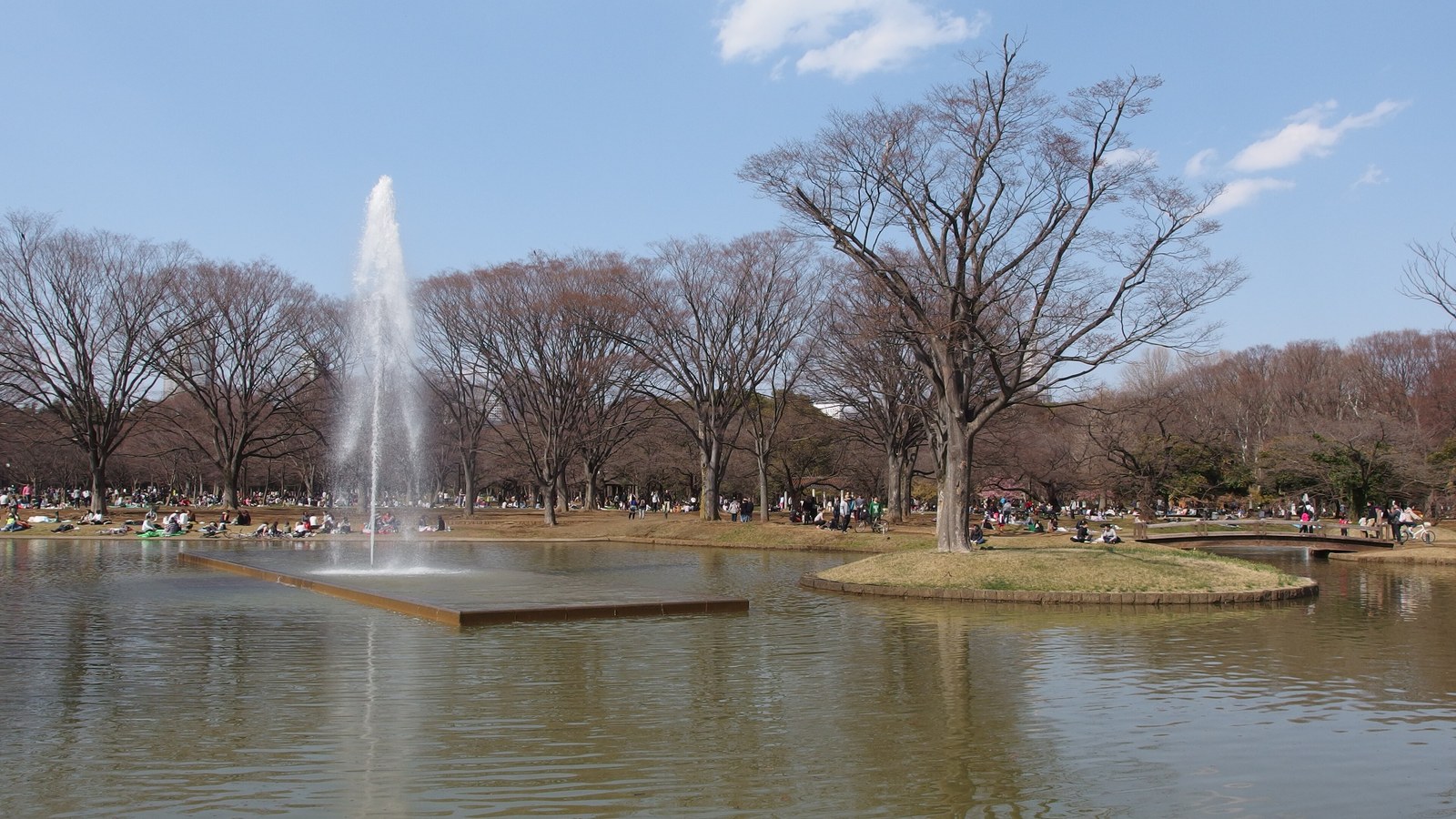
Image: Basseterre, Saint Kitts / Wikimedia Commons. A view of the capital, not the flag ceremony of 19 September 1983. Cropped to 16:9.
Source consulted: Independence, 19 September 1983 | National Archives of Saint Kitts and Nevis; Saint Kitts and Nevis | Office of the Historian, U.S. Department of State.



0 Comments
No comments on this article yet. Be the first!