



On 26 August 1974, in Algiers, the Portuguese government and the PAIGC sign the Algiers Accord — the protocol fixing de jure recognition of the Republic of Guinea-Bissau and ending the colonial war in Portuguese Guinea.
Recognition was to take place on 10 September 1974; the de facto ceasefire became de jure on signature; Portuguese forces were to withdraw by 31 October. Principal signatories included Mário Soares and Pedro Pires.
The document provides for ambassadorial diplomatic relations and economic, financial, cultural and technical cooperation. Portugal reaffirms the Cape Verdean people’s right to self-determination and independence within African decolonisation.
The accord marks the start of the Portuguese colonial empire’s dissolution after the Carnation Revolution of 25 April 1974.
For Guinea-Bissau, 26 August 1974 marks the Algiers signature.
The text was published in the Diário do Governo and is reproduced in documentary collections (CD25A).
The Algiers Accord of 26 August 1974 remains Guinea-Bissau’s independence milestone.
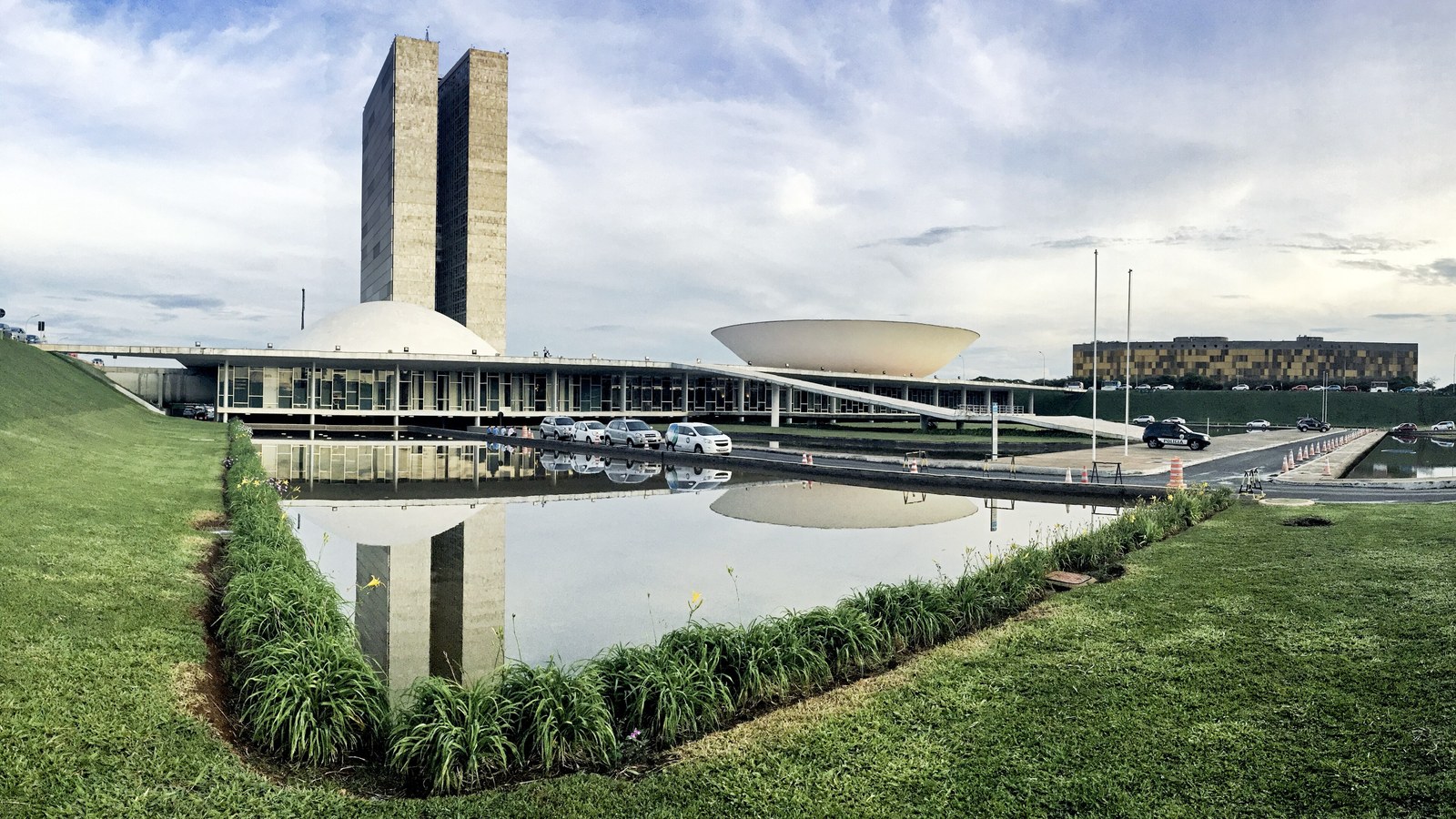
Image: Algiers; Wikimedia Commons. Cropped to 16:9.
Source consulted: Algiers Accord (1974). Treaty text: CD25A — Portugal–PAIGC Agreement (26 August 1974).






0 Comments
No comments on this article yet. Be the first!