


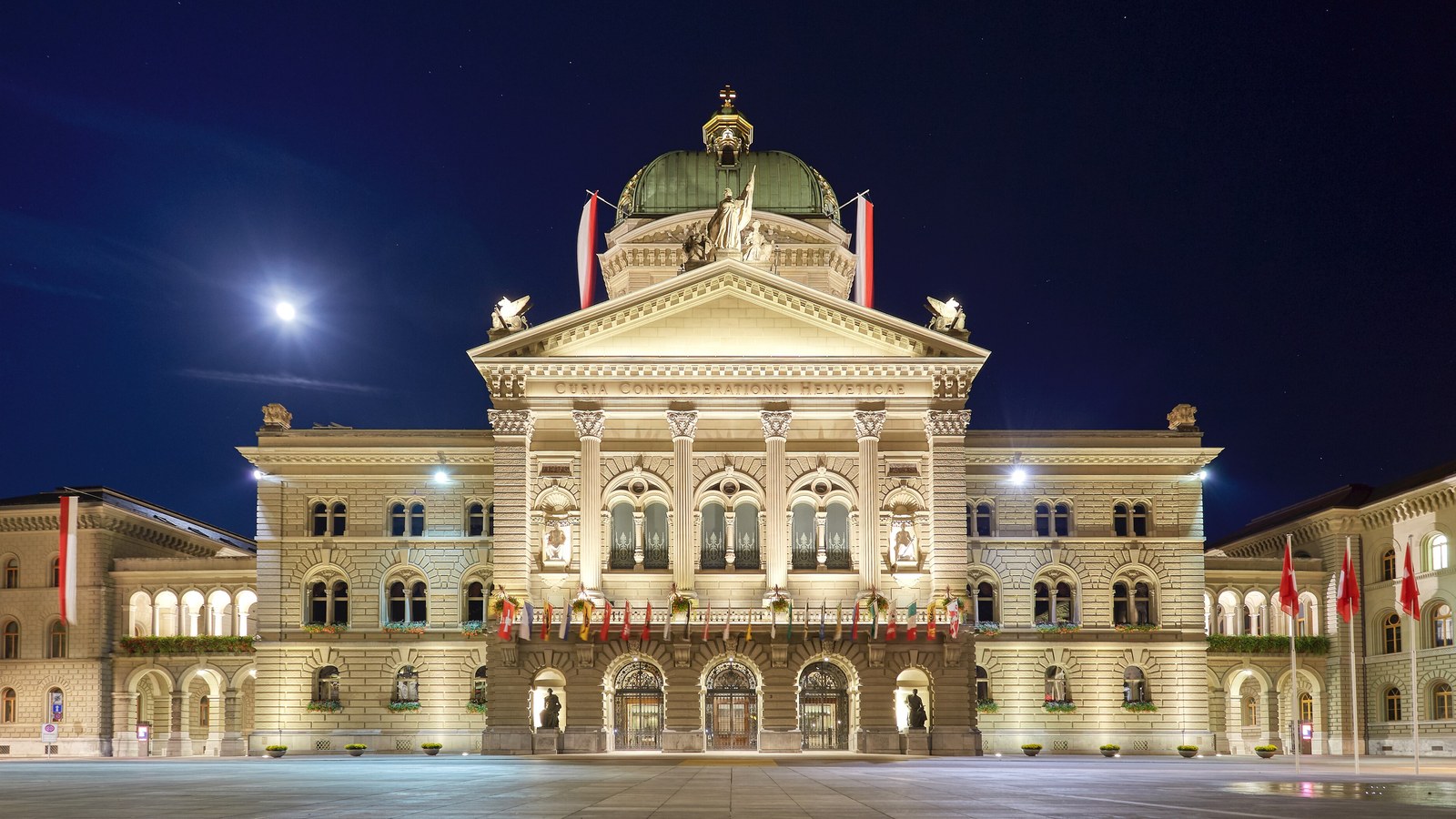
On 26 September 1906, in Bern, states sign the International Convention respecting the Prohibition of the Use of White (Yellow) Phosphorus in the Manufacture of Matches — the multilateral treaty responding to “phossy jaw” and other occupational diseases of match-factory workers.
The parties undertake to prohibit in their territories the manufacture, importation and sale of matches containing white phosphorus. Each government communicates to the others its laws and implementation reports. The depositary is the Swiss Federal Council.
Entry into force: 1 January 1912. The convention remains in force for dozens of states. Edward Phelan later linked this treaty to the origins of the ILO.
On the same day in Bern the convention on night work of women in industry was also signed.
For international labour law, 26 September 1906 marks the Bern signature.
The text appears in the Australian Treaty Series and Swiss archives.
The Berne Convention of 26 September 1906 on white phosphorus remains the pre-ILO industrial-protection milestone.
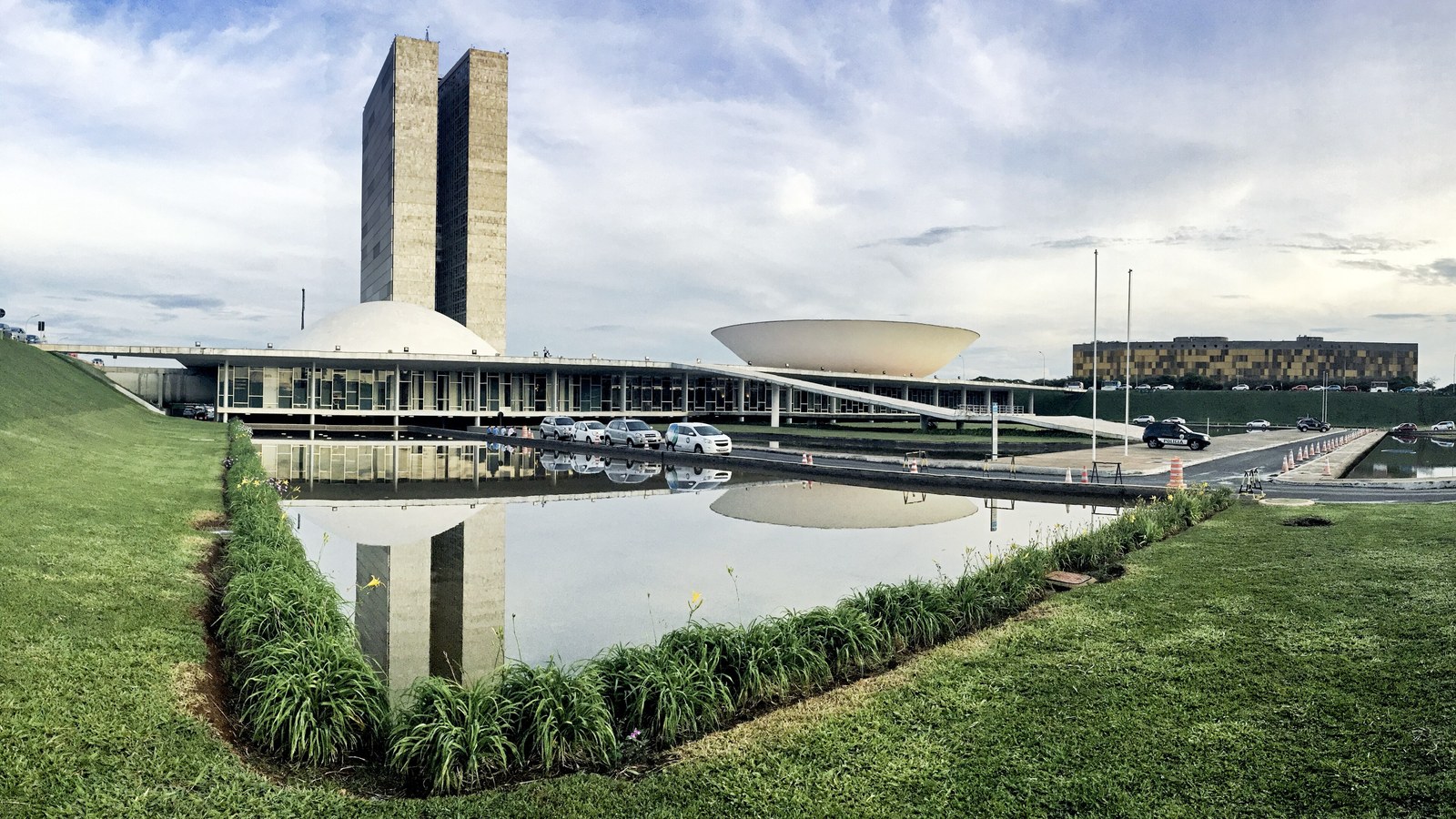
Image: Bern; Wikimedia Commons. Cropped to 16:9.
Source consulted: Berne Convention (1906). Treaty text: Australian Treaty Series — White Phosphorus 1906.







0 Comments
No comments on this article yet. Be the first!