


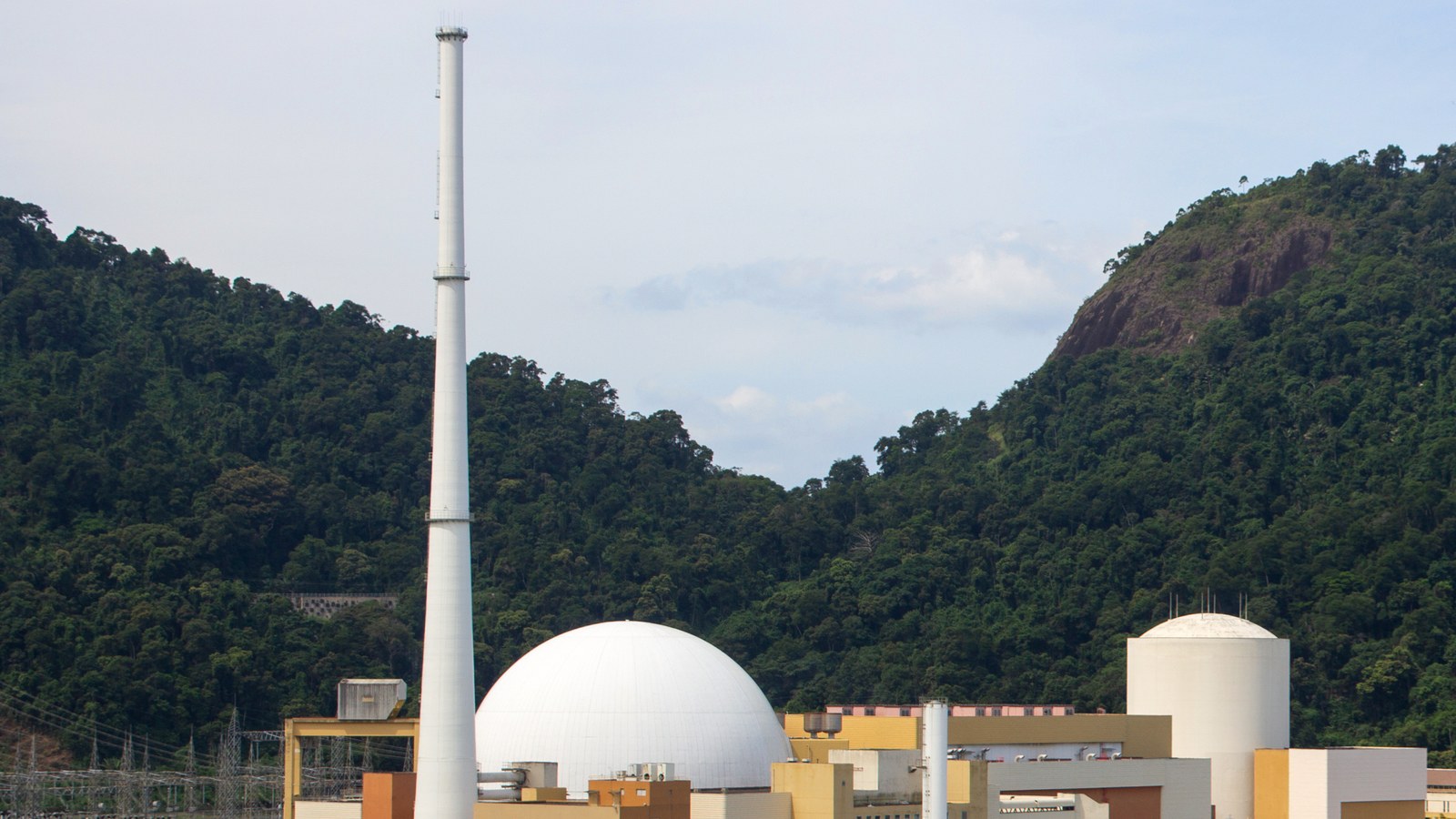
On 27 June 1975, Brazil and the Federal Republic of Germany sign the Agreement on Cooperation in the Peaceful Uses of Nuclear Energy — the technology-transfer package covering power plants, enrichment and Brazil’s nuclear industry.
Negotiated amid the energy crisis and Brazil’s nuclear programme, the deal provides reactors and fuel-cycle technology, raising US concerns about proliferation.
Implementation was partial: some projects (Angra) advanced, others slipped or were scaled back. The document remains one of the most extensive bilateral nuclear cooperation agreements of the 1970s.
The US criticised insufficient safeguards relative to the Non-Proliferation Treaty, while Brazilian diplomacy defended the right to peaceful technology.
For nuclear history, 27 June 1975 marks the Brazil–FRG industrial commitment in nuclear energy.
Text and context are documented in diplomatic archives and proliferation literature.
The Brazil–FRG nuclear agreement of 27 June 1975 remains the milestone of 1970s bilateral nuclear technology cooperation.
Image: nuclear / diplomacy; Wikimedia Commons. Cropped to 16:9.
Source consulted: 1975 Brazil–West Germany nuclear agreement. Treaty text: Brazil–FRG nuclear cooperation (IAEA INIS).











0 Comments
No comments on this article yet. Be the first!