


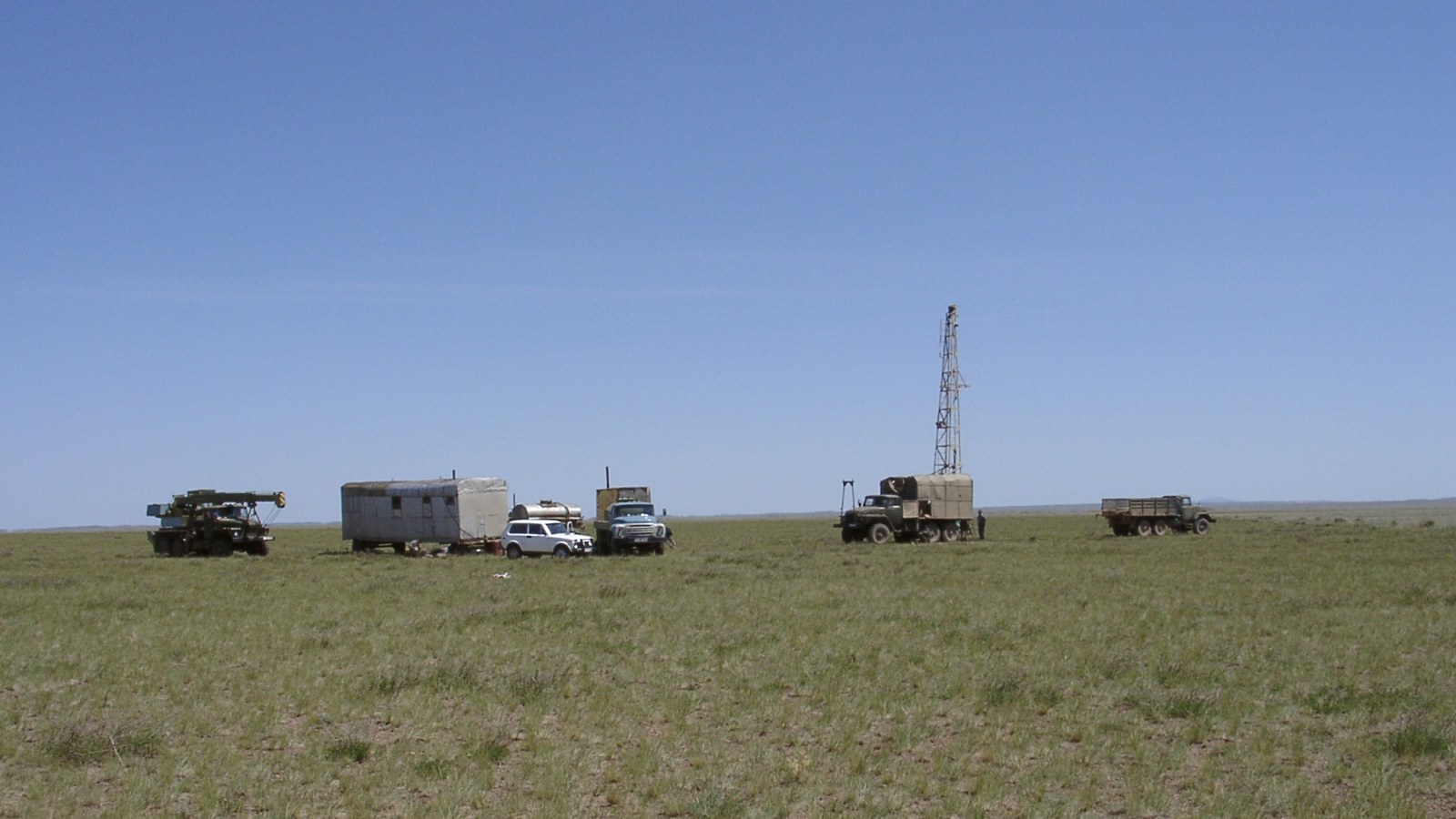
On 8 September 2006, at Semipalatinsk (Kazakhstan), the five Central Asian states — Kazakhstan, Kyrgyzstan, Tajikistan, Turkmenistan and Uzbekistan — sign the Treaty on a Nuclear-Weapon-Free Zone in Central Asia (CANWFZ / Treaty of Semipalatinsk).
The parties undertake not to manufacture, acquire, test or possess nuclear weapons. Verification is through IAEA safeguards; the treaty also requires physical-protection standards for nuclear material and compliance with the CTBT.
Entry into force: 21 March 2009, after all five signatories ratified. The protocol on negative security assurances was signed by the five permanent Security Council members in 2014.
The zone completes the global NWFZ network (Latin America, South Pacific, Southeast Asia, Africa).
For Central Asia, 8 September 2006 marks the Semipalatinsk signature.
The text is published by UNODA / UNTC.
The CANWFZ Treaty of 8 September 2006 remains Central Asia’s denuclearisation milestone.
Image: Kazakhstan; Wikimedia Commons. Cropped to 16:9.
Source consulted: Central Asian Nuclear Weapon Free Zone. Treaty text: UNODA — Central Asian Nuclear-Weapon-Free Zone Treaty.











0 Comments
No comments on this article yet. Be the first!