


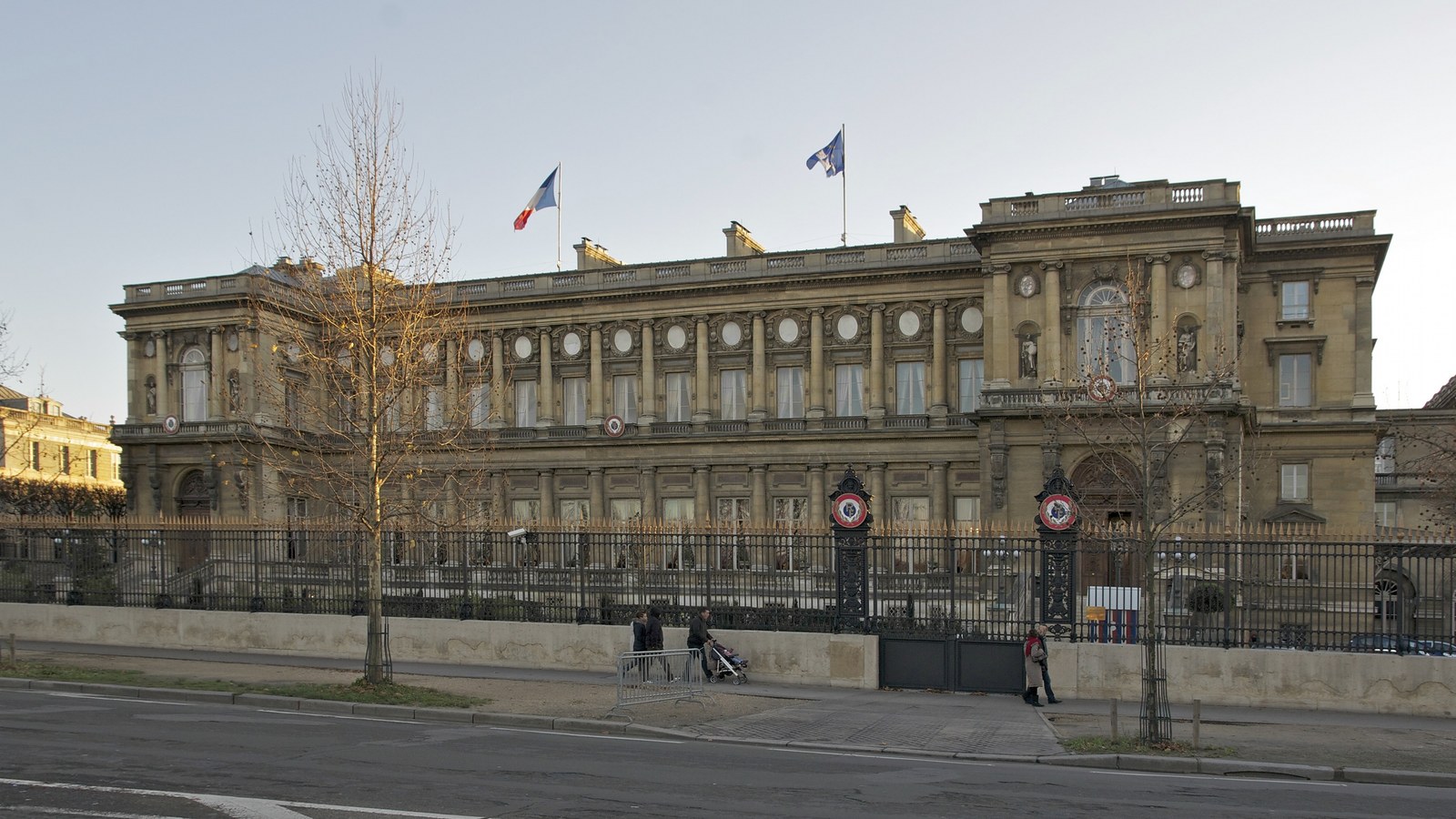
On 13 January 1993, in Paris, the United Nations Secretary-General, as depositary, opened for signature the Convention on the Prohibition of the Development, Production, Stockpiling and Use of Chemical Weapons and on their Destruction. The text had been adopted in Geneva on 3 September 1992 by the Conference on Disarmament and commended by the General Assembly in resolution 47/39 of 30 November 1992. The President of France had invited the ceremony. Signature remained open in Paris until 15 January, then at United Nations Headquarters in New York until entry into force. Authentic languages: Arabic, Chinese, English, French, Russian and Spanish.
Article I(1): each party undertakes never under any circumstances to develop, produce, acquire, stockpile, retain or transfer chemical weapons; not to use them; not to engage in military preparations to use them; and not to assist, encourage or induce anyone to engage in a prohibited activity. Article I(2)–(4): destruction of chemical weapons it owns or that are under its jurisdiction, of those it abandoned on another party’s territory, and of production facilities. Article I(5): riot-control agents are not to be used as a method of warfare. This is not a handbook of substances or plants.
The annexes, integral under Article XVII, include three schedules of controlled chemicals, classified by civilian uses; they are not reproduced here. Article VI permits activities not prohibited (industrial, medical, research) under declarations and verification. Article VIII establishes the Organisation for the Prohibition of Chemical Weapons, seated at The Hague: the Conference of the States Parties, the Executive Council and the Technical Secretariat. Verification “in the least intrusive manner possible” consistent with its objectives is not set out here as an inspection procedure.
Article XVIII: open for signature by all States before entry into force. Article XIX: ratification. Article XX: accession thereafter. Article XXI(1): entry into force 180 days after deposit of the 65th instrument of ratification, but in no case earlier than two years after opening for signature; that date was 29 April 1997. Article XXII: no reservations to the articles; to the annexes, only those compatible with the object and purpose. Article XXIII: the depositary is the Secretary-General.
Article X: assistance and protection against chemical weapons, upon request, without describing means here. Article XI: economic and technological cooperation in peaceful chemistry. Article XIV: disputes, if not settled, through negotiation and the Convention’s machinery, including the International Court of Justice. Article XVI: unlimited duration; withdrawal on 90 days’ notice invoking supreme interests does not release a party from obligations under humanitarian law.
The OPCW administers the Convention. Declared stockpiles of the parties had been destroyed, according to the Organisation, by July 2023. Later conflicts are not set out here, and the chemical schedules are not reproduced.
The French Ministry of Foreign Affairs, Quai d'Orsay, Paris, host State of the ceremony. Wikimedia Commons, free licence.
For context: Chemical Weapons Convention. The text: Convention on the Prohibition of the Development, Production, Stockpiling and Use of Chemical Weapons and on Their Destruction.










0 Comments
No comments on this article yet. Be the first!