


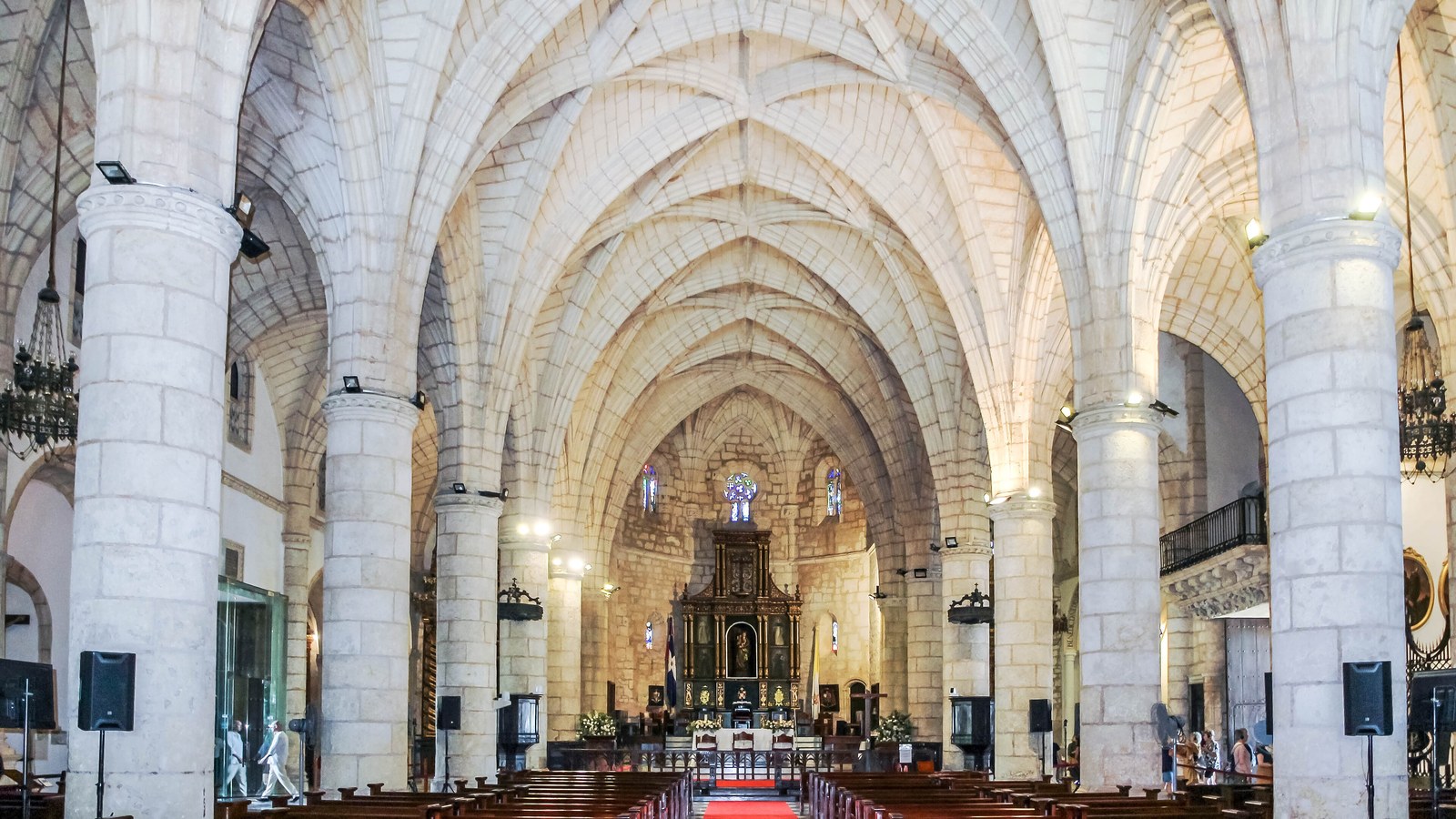
On 16 June 1954, the Dominican Republic and the Holy See sign the Concordat — the agreement fixing the status of the Catholic Church under Rafael Trujillo’s regime, during the pontificate of Pius XII.
The Concordat recognises Catholicism as the state religion with privileges: public funds for Church needs, reduced customs duties on ecclesiastical goods and recognition of Catholic marriages as the only religious ceremonies with civil effect, alongside civil marriages.
Freedom of worship remains guaranteed, but Concordat privileges have fuelled tension with Protestants seeking equal recognition.
Under Trujillo the Church often stayed apolitical; a 1960 pastoral letter against mass arrests strained relations. In the 1970s–1980s bishops criticised human-rights violations.
For Santo Domingo, 16 June 1954 marks the legal frame of the relationship with Rome in the twentieth century.
The Concordat remains in force as the basis of Catholic Church privileges in the Dominican Republic.
The Concordat of 16 June 1954 remains the founding act of Dominican Republic–Vatican relations in the Trujillo era.
Image: Santo Domingo; Wikimedia Commons. Cropped to 16:9.
Source consulted: Concordat of 1954. Treaty text: International Religious Freedom Report — Dominican Republic (State.gov).






0 Comments
No comments on this article yet. Be the first!