


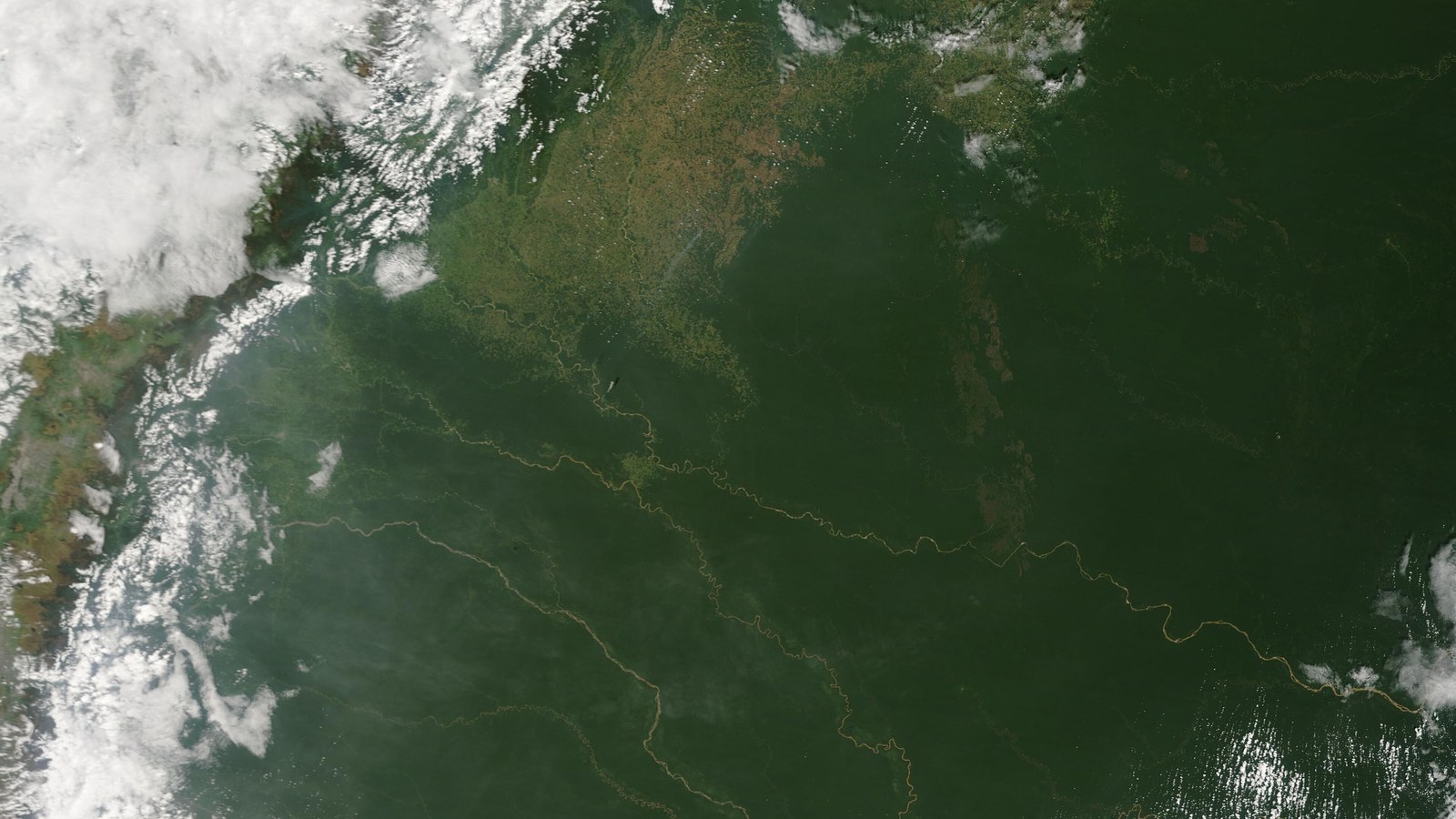
On 5 June 1992, in Rio de Janeiro, the Convention on Biological Diversity (CBD) is opened for signature — the Earth Summit framework treaty for conserving biodiversity, sustainable use and fair sharing of benefits from genetic resources.
Negotiated under UNEP, the CBD was adopted in Nairobi in May 1992 and signed by dozens of states at UNCED (3–14 June). It entered into force on 29 December 1993.
The Convention links in-situ and ex-situ conservation, access to genetic resources and technology transfer. Later Cartagena (biosafety) and Nagoya (access and benefit-sharing) protocols complement it.
The United States signed but has not ratified; nearly all other UN states are parties. The Conference of the Parties (COP) remains the decision forum.
For environmental law, 5 June 1992 — World Environment Day — marks the start of CBD signatures in Rio.
The official text appears on the Convention website and in the UNTC.
The Convention on Biological Diversity of 5 June 1992 remains the global reference treaty for biodiversity.
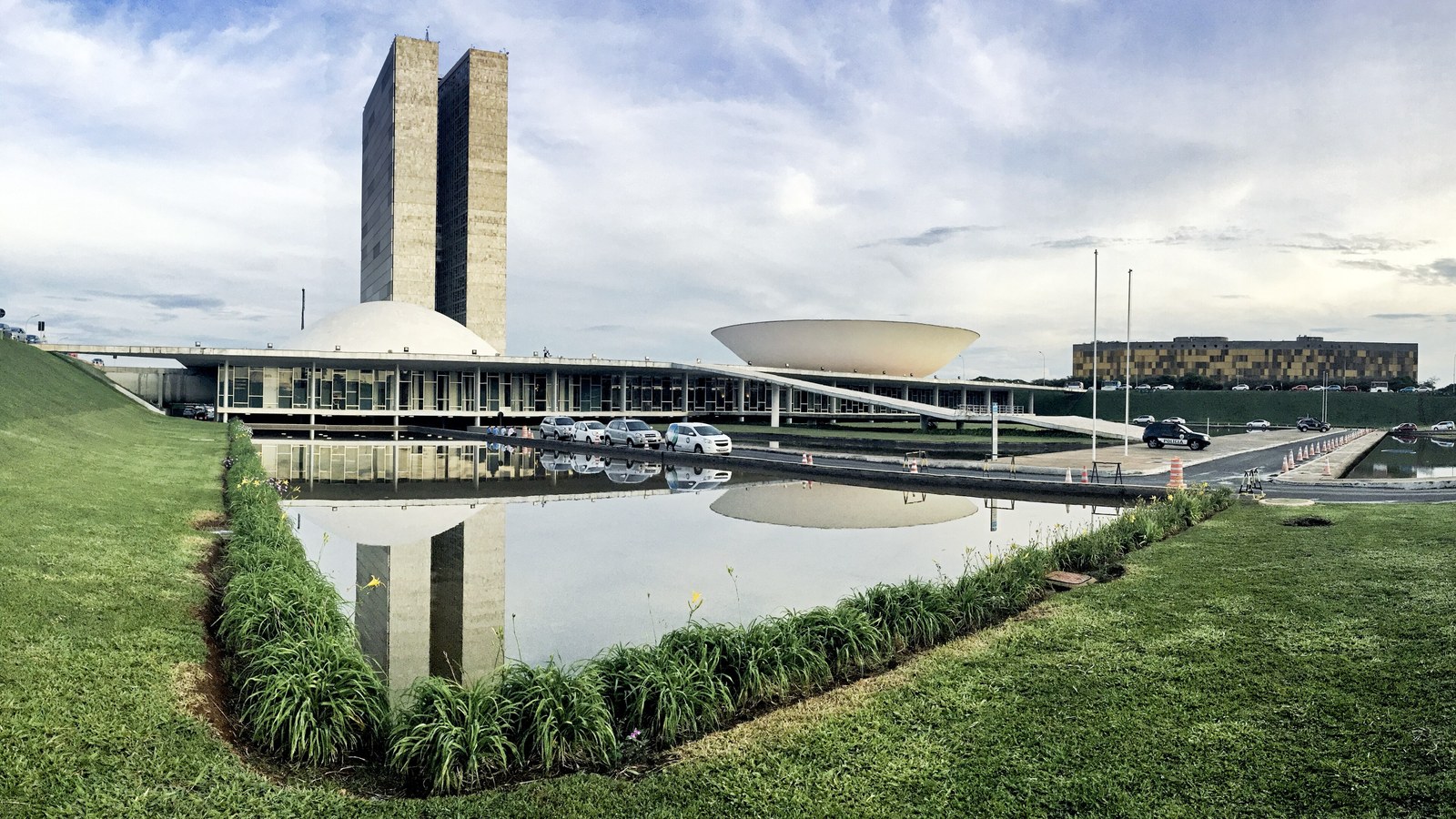
Image: biodiversity / Rio; Wikimedia Commons. Cropped to 16:9.
Source consulted: Convention on Biological Diversity. Treaty text: Convention on Biological Diversity (UNTC).







0 Comments
No comments on this article yet. Be the first!