


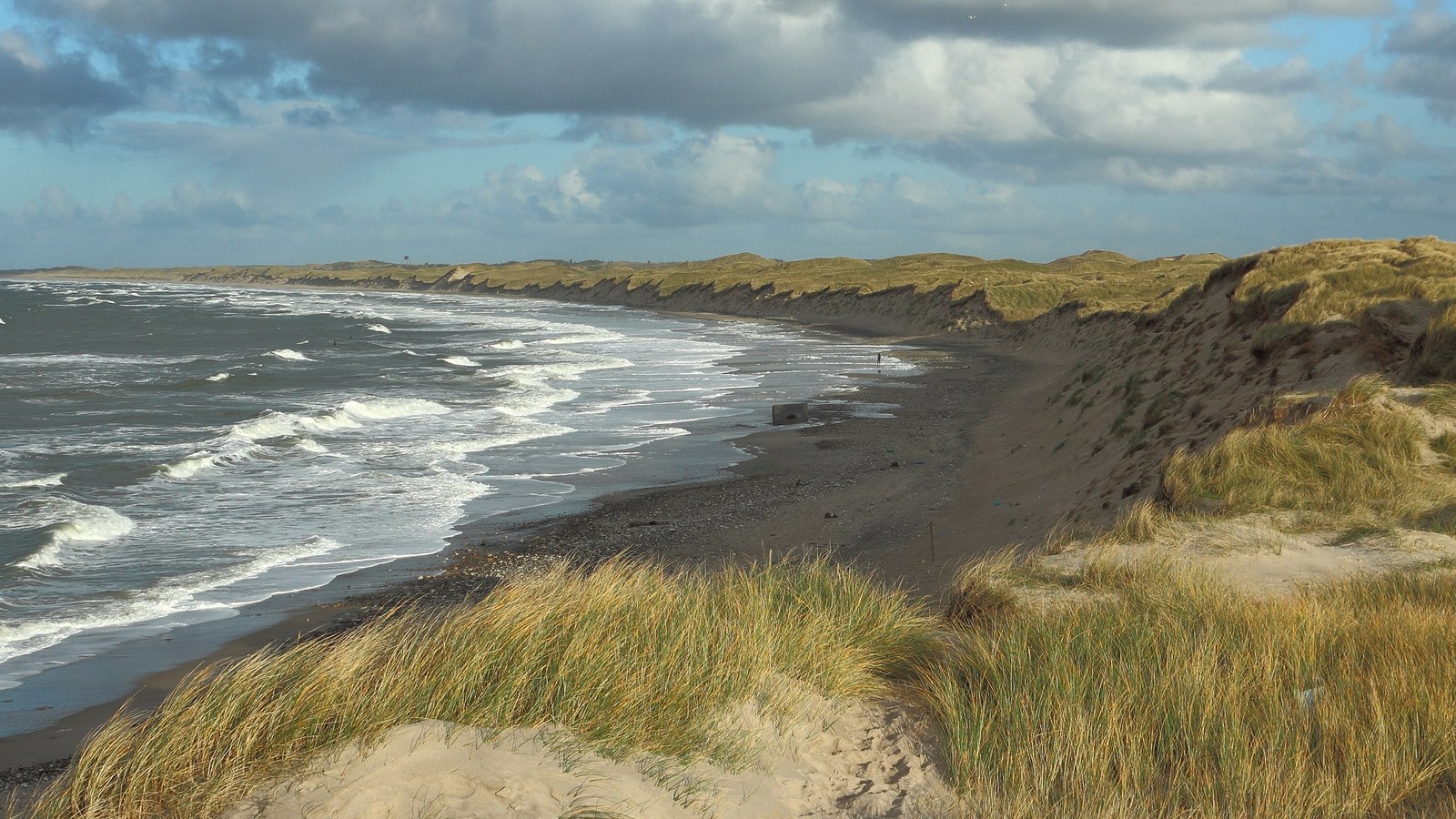
Coastal erosion could cause losses of up to €800 billion a year in Europe by 2100 if effective action is not taken, according to a report by the Council of Europe’s Congress of Local and Regional Authorities. Across 28 countries, economic losses already exceed €1 billion a year, and more than a quarter of Europe’s coastline is eroding.
The paper “How can we cope with coastal erosion?” urges “planned retreat”: ban or restrict new building in high-risk zones and gradually move homes, businesses, roads and railways inland to less vulnerable areas. Authors call for updated risk maps, no-build zones and adaptation plans drawn up with affected communities.
Coastal regions generate about 40% of Europe’s GDP, and 80% of low-elevation coast is at risk of future erosion. Co-rapporteur Anthony Buchanan warns that sea-level rise has doubled in recent years and is on course for another 44 cm by 2100, while storms and extreme storm surges grow more frequent and intense.
Greek co-author Fanis Spanos says coastlines host major infrastructure, economic activity and heritage; continued occupation of high-risk zones puts livelihoods at stake. Traditional defences — seawalls and dikes — are becoming harder to sustain as the sea keeps rising.
The report is a political signal to local and national authorities, not an allocated budget. The €800 billion figure projects losses without adaptation; related studies put long-run adaptation costs at a fraction of potential damage. Relocation decisions, bans and financing remain with states and communities.
Source: Europe: coastal erosion could cause €800bn yearly losses by 2100 (G4Media); confirmation: Coastal communities must plan now for retreat from coastlines (Council of Europe Congress)









0 Comments
No comments on this article yet. Be the first!