


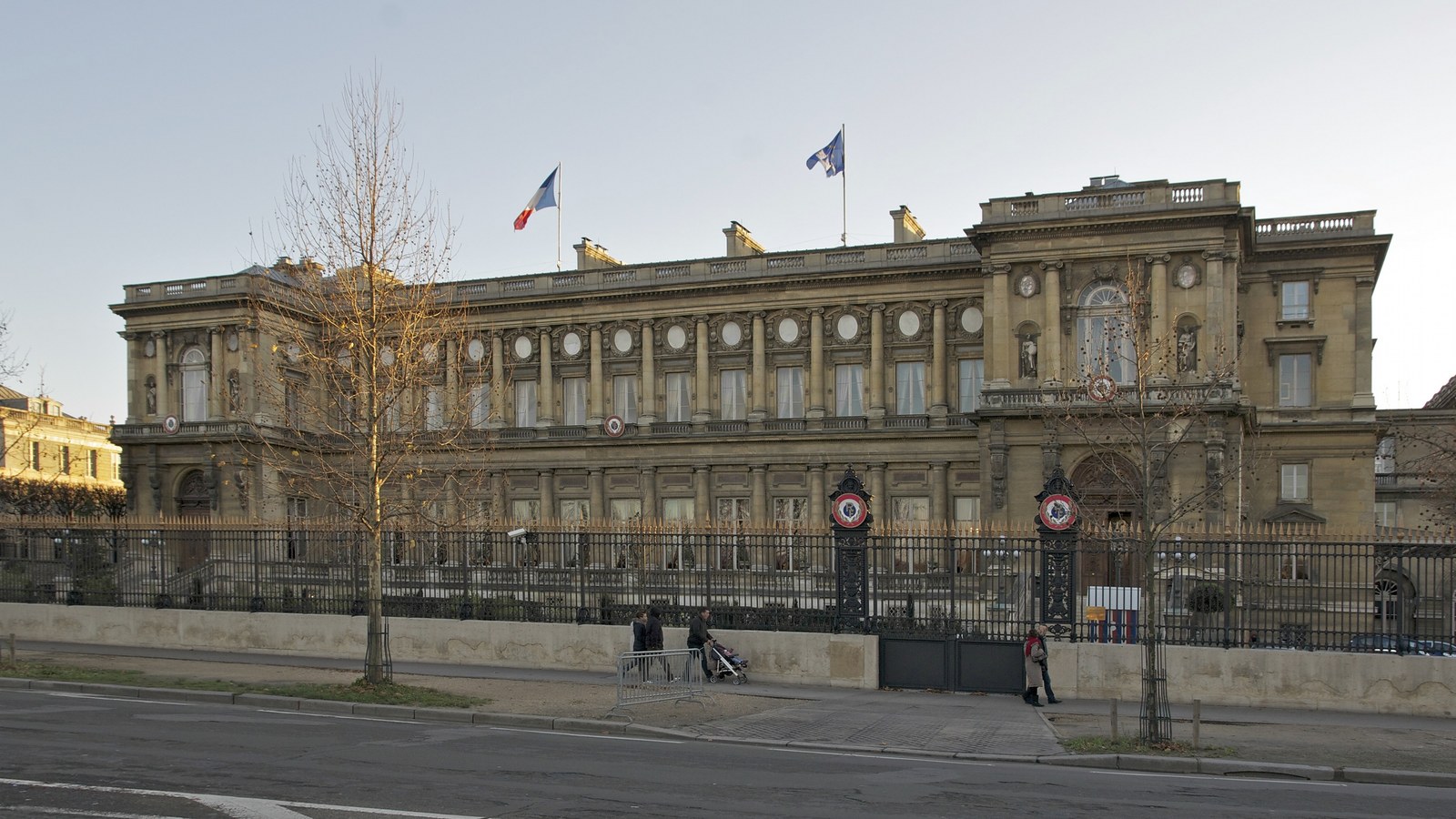
On 11 December 1953, at Paris, the European Convention relating to the Formalities required for Patent Applications, European Treaty Series No. 16, was signed. The governments signatory hereto, being members of the Council of Europe. The preamble: to simplify and unify as far as possible the formalities prescribed by the various national legislations in respect of applications for patents; Article 15 of the International Convention for the Protection of Industrial Property signed at Paris on 20 March 1883, revised up to London, 2 June 1934. Authentic texts: English and French, both equally authoritative; a single copy in the archives of the Council of Europe. Depositary: the Secretary General.
Article 1(1): an application for a patent in any Contracting State may be required to accord with Article 2; shall not be denied its date of filing on formal grounds if it complies with Article 3; and shall not be refused, if it otherwise complies with the law of that State, so long as Articles 4 to 6 are satisfied. Article 1(2): the Contracting States shall make no other formal requirements than those set out in this Convention, but a Contracting State may dispense with any of them. Article 2: an application form, a specification (in duplicate, or triplicate where novelty is examined), drawings, such samples as the law requires, an agent’s authorisation without legalisation, proof of status if the applicant is not the inventor, and the fees.
Article 3: the date of filing shall not be denied on formal grounds if the application form, though it does not comply with Article 4, is filed with one copy of a specification in a recognised language, one copy of the drawings where necessary, and the fees or proof of payment; the domestic law may fix time-limits for regularisation. Article 3(3): applications may be sent by post, without affecting any law relating to an agent or an address for service. Articles 4 to 6 define when the form, specification and drawings are regarded as formally in order — paper size, legibility, margins, drawings on transparent material, without colour — a ceiling of formalities, not a filing manual.
Article 7: any person desiring to take advantage, under the Paris Convention, of the priority of a previous application shall enjoy a period of at least two months from the subsequent application to make a declaration; a Contracting State may prescribe that the declaration be made within that Convention’s priority period. A certified copy of the specification and drawings of the original application may be required; if those documents are in English, French or German, or accompanied by an officially certified translation in one of those languages, a translation into the language of the country of filing is not necessary unless the competent authority requires it.
Article 8(1): open to the signature of the members of the Council of Europe; it shall be ratified; instruments deposited with the Secretary General. Article 8(2): this Convention shall come into force on the first day of the month following the date of deposit of the fourth instrument of ratification. Entry into force: 1 June 1955. Article 9: after it has come into force, open to accession by all States which are members of the International Union for the Protection of Industrial Property. Article 11: unlimited duration; denunciation on one year’s notice. This is not the later European patent convention; it is an agreement on national filing formalities.
The Quai d’Orsay, Paris, the city of signature, not the signing room. Wikimedia Commons, free licence.
For context: European Convention relating to the Formalities required for Patent Applications. The text: European Convention relating to the Formalities required for Patent Applications (ETS No. 16).











0 Comments
No comments on this article yet. Be the first!