


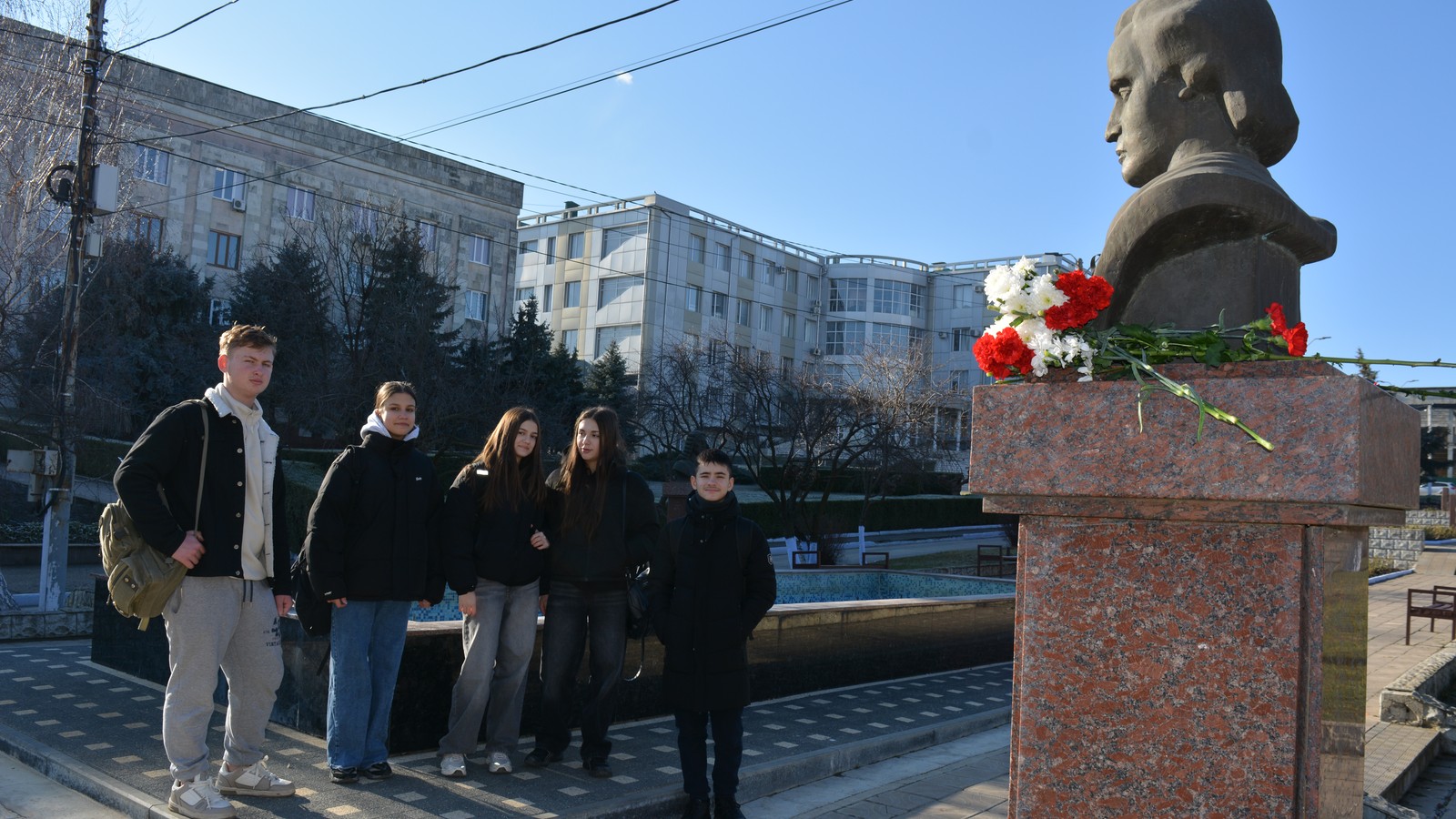
On 15 November 2026 Gagauzia elects its bashkan (governor) and 35 Popular Assembly deputies — the first simultaneous polls since 1999. The stakes go beyond the autonomy: Comrat–Chișinău ties and Moldova’s European path, Gândul reports in an interview with analyst Mihai Isac.
The autonomy has just over 100,000 people in Vulcănești, Ceadîr-Lunga and Comrat, heavily rural. Russian remains the workplace language; political closeness to Russia (and cultural ties to Turkey) is clear. In the 2024 referendum nearly 95% of valid regional votes rejected a constitutional change for EU accession; an October 2026 poll shows about 90% against NATO.
Isac roots the orientation in history: Gagauz migrations from the Balkans, a Turkic language, Orthodoxy, Sovietisation. Autonomy was set in 1994 amid fear of union with Romania. In campaigns, reunification and the Romanian language are used as scare themes — from Irina Vlah to messages amplified by Moscow and pro-Șor media.
Former bashkan Evghenia Guțul, elected in 2023 with Șor’s party, was EU-sanctioned and in 2026 given a final seven-year sentence for illegal funding; the post was declared vacant. Eight bashkan candidates are registered for 15 November, including Alexandr Stoianoglo; Romanian-language knowledge is mandatory, challenged but upheld.
PAS has no candidate — Grosu admitted low odds after electoral rules and the language requirement. Comrat has no veto on EU accession but can stall local cooperation and reforms. The European Commission calls for dialogue with Gagauz authorities; the Vulcănești–Chișinău power line and the Mihai Eminescu lyceum in Comrat also show projects involving Romania.
Isac concludes the question is whether autonomy politics stays built on fear or turns toward cooperation with Chișinău.
Source: Gagauzia elections: Romania as electoral scarecrow (Gandul)






0 Comments
No comments on this article yet. Be the first!