


On 5 March 1931, at Delhi, the Government of India publishes the statement of the Governor-General in Council, consequent on conversations between the Viceroy, Lord Irwin, and M. K. Gandhi. The Civil Disobedience Movement is to be discontinued. With the approval of His Majesty’s Government, certain action is to be taken by the Government of India and Local Governments. The statement is read the same day in the House of Commons by William Wedgwood Benn, Secretary of State for India. Eight meetings, twenty-four hours, between February and March. It is not dominion status.
Paragraph 2: the scope of future constitutional discussions is the scheme discussed at the Round Table Conference. Federation is an essential part; so also are Indian responsibility and reservations or safeguards in the interests of India, for instance defence, external affairs, the position of minorities, the financial credit of India and discharge of obligations. Paragraph 3: steps for the participation of Congress representatives in the further discussions, in pursuance of the Prime Minister’s announcement of 19 January. Paragraph 4: the settlement relates to activities directly connected with the Civil Disobedience Movement.
Paragraph 5: effective discontinuance means the effective discontinuance of all activities in furtherance of the movement, in particular organised defiance of any laws; the movement for non-payment of land revenue and other legal dues; news-sheets in support of the movement; attempts to influence civil and military servants or village officials against Government. Paragraph 6: the boycott of British commodities as a political weapon is definitely discontinued; those who have given up the sale or purchase of British goods must be left free, without any form of restraint, to change their attitude. Paragraph 7: picketing only within the limits permitted by the ordinary law, unaggressive, without coercion, intimidation, obstruction or any offence; if those courses are employed in any place, picketing there is suspended. Paragraph 8: Gandhi has represented the desirability of a public inquiry into police conduct; the Government sees great difficulty; Gandhi agrees not to press the matter.
Paragraph 10: ordinances promulgated in connection with the Civil Disobedience Movement are withdrawn; Ordinance No. 1 of 1931 relating to the terrorist movement does not come within this provision. Paragraph 11: notifications declaring associations unlawful under the Criminal Law Amendment Act of 1908 are withdrawn if made in connection with the movement; notifications of the Burma Government do not. Paragraph 12: pending prosecutions are withdrawn for offences which did not involve violence (other than technical violence) or incitement to violence; prosecutions against soldiers and police involving disobedience of orders do not come within this provision. Paragraph 13: prisoners undergoing imprisonment for such non-violent offences are released; soldiers and police convicted of disobedience of orders do not come within the amnesty.
Paragraph 14: fines not yet realised are remitted; fines already realised are not returned. Paragraph 15: additional police imposed at the expense of the inhabitants of a particular area are withdrawn at the discretion of the Local Government. Paragraph 16: movable property still in the possession of Government is returned if it is not an illegal possession; where it has been sold, compensation is not given except so far as sale proceeds exceed legal dues. Paragraph 17: immovable property taken under Ordinance IX of 1930 is returned in accordance with the Ordinance; sales to third parties are final so far as Government are concerned. Note: Gandhi has represented that some at least of these sales have been unlawful and unjust; Government, on the information before them, cannot accept this contention.
Paragraph 19: where posts rendered vacant by resignations have been permanently filled, Government will not reinstate the late incumbents; other cases will be considered on their merits, a liberal policy of reappointment. Paragraph 20: Government are unable to condone breaches of the existing salt law, nor, in the present financial conditions, to make substantial modifications in the Salt Acts. For relief to certain of the poorer classes, local residents in villages immediately adjoining areas where salt can be collected or made may collect or make salt for domestic consumption or sale within such villages, but not for sale to or trading with individuals living outside them. Paragraph 21: if Congress fails to give full effect to the obligations of this settlement, Government will take such action as may become necessary for law and order.
The Congress Working Committee endorses the provisional settlement the same day. The Karachi Congress, on 30 March, ratifies it and keeps the goal of purna swaraj. Bhagat Singh, Rajguru and Sukhdev are not in the text. Gandhi writes to the Viceroy on 23 March, after the pact, asking for commutation; the 5 March statement does not grant it.
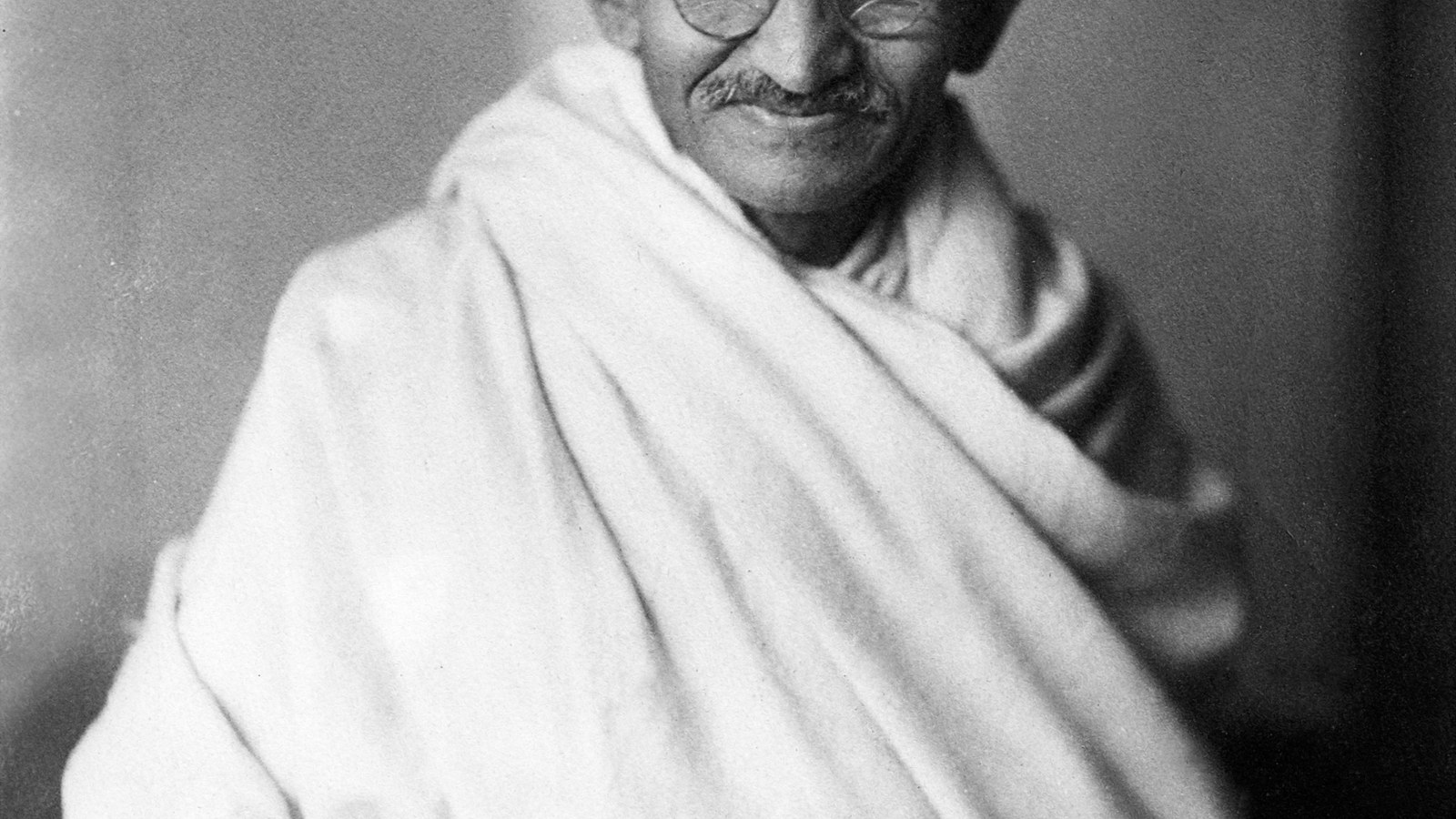
Image: Elliott & Fry, Mahatma Gandhi, studio, London, 1931, public domain, Wikimedia Commons. Cropped to 16:9. A studio portrait, not the Delhi signing.
Source consulted: Gandhi–Irwin Pact. Treaty text: Conversations between the Governor-General of India and Mr Gandhi, Commons, 5 March 1931.











0 Comments
No comments on this article yet. Be the first!