


On 25 May 1981, in Abu Dhabi, six Persian Gulf monarchies sign the Charter of the Cooperation Council for the Arab States of the Gulf (GCC) — the founding act of the regional alliance.
Founding members: Bahrain, Kuwait, Oman, Qatar, Saudi Arabia and the United Arab Emirates. Headquarters: Riyadh. The Charter sets political, economic and security coordination goals against the backdrop of the Iranian Revolution and the Iran–Iraq War.
On 11 November 1981, also in Abu Dhabi, a complementary economic agreement is signed. Over decades the GCC developed common markets, a regional patent and joint military exercises.
The 2017–2021 diplomatic crisis, with the Qatar blockade, tested cohesion; the Al-Ula summit (January 2021) reopened relations.
For the Arabian Peninsula, 25 May 1981 marks the institutionalisation of cooperation among the Gulf monarchies, distinct from the Arab League.
The Charter text and primary documents are published by the GCC General Secretariat.
The GCC Charter of 25 May 1981 remains the constitutive act of the Gulf Cooperation Council.
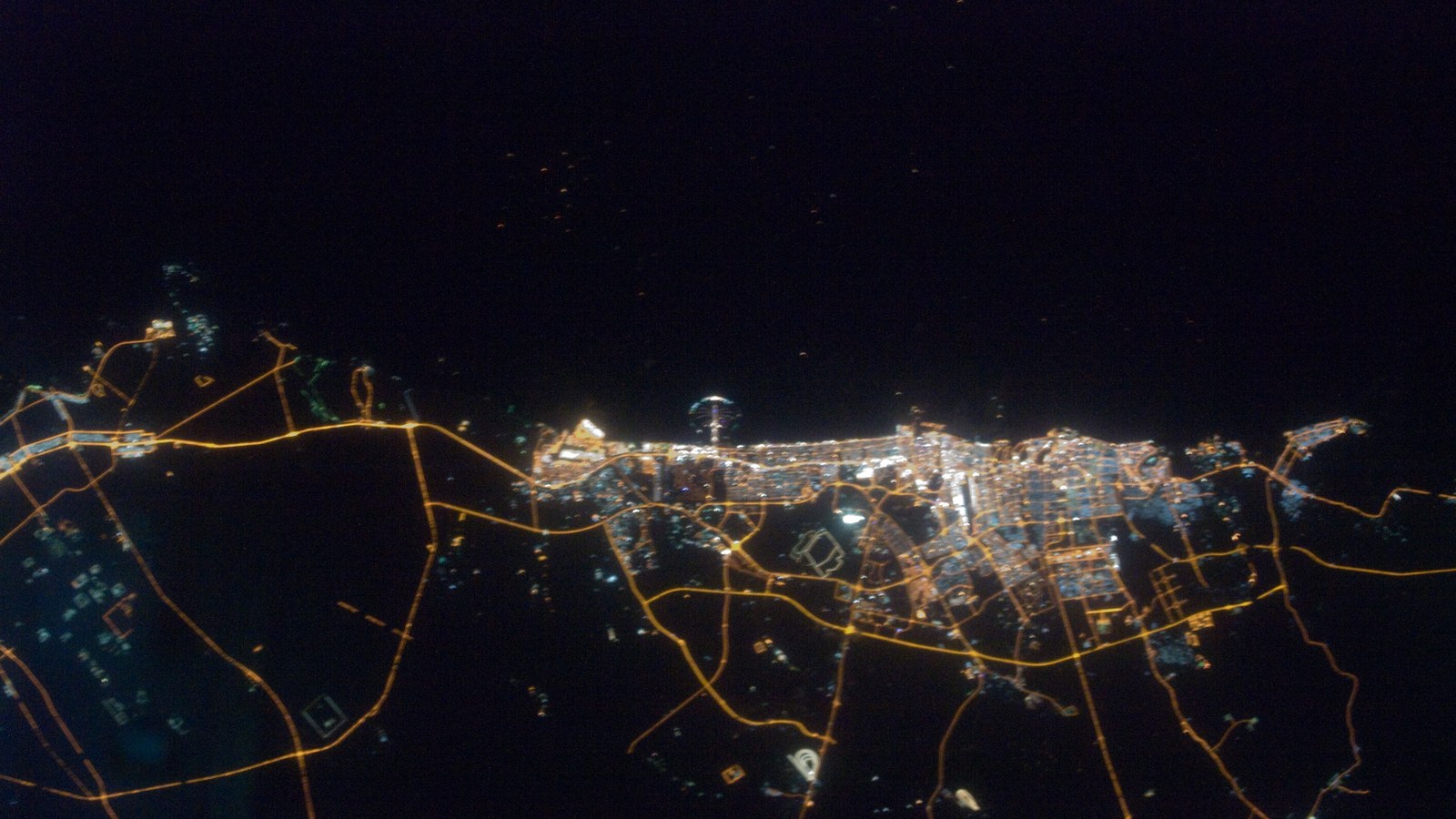
Image: Persian Gulf; Wikimedia Commons. Cropped to 16:9.
Source consulted: Gulf Cooperation Council. Treaty text: GCC Charter / Primary Law (Secretariat).











0 Comments
No comments on this article yet. Be the first!