


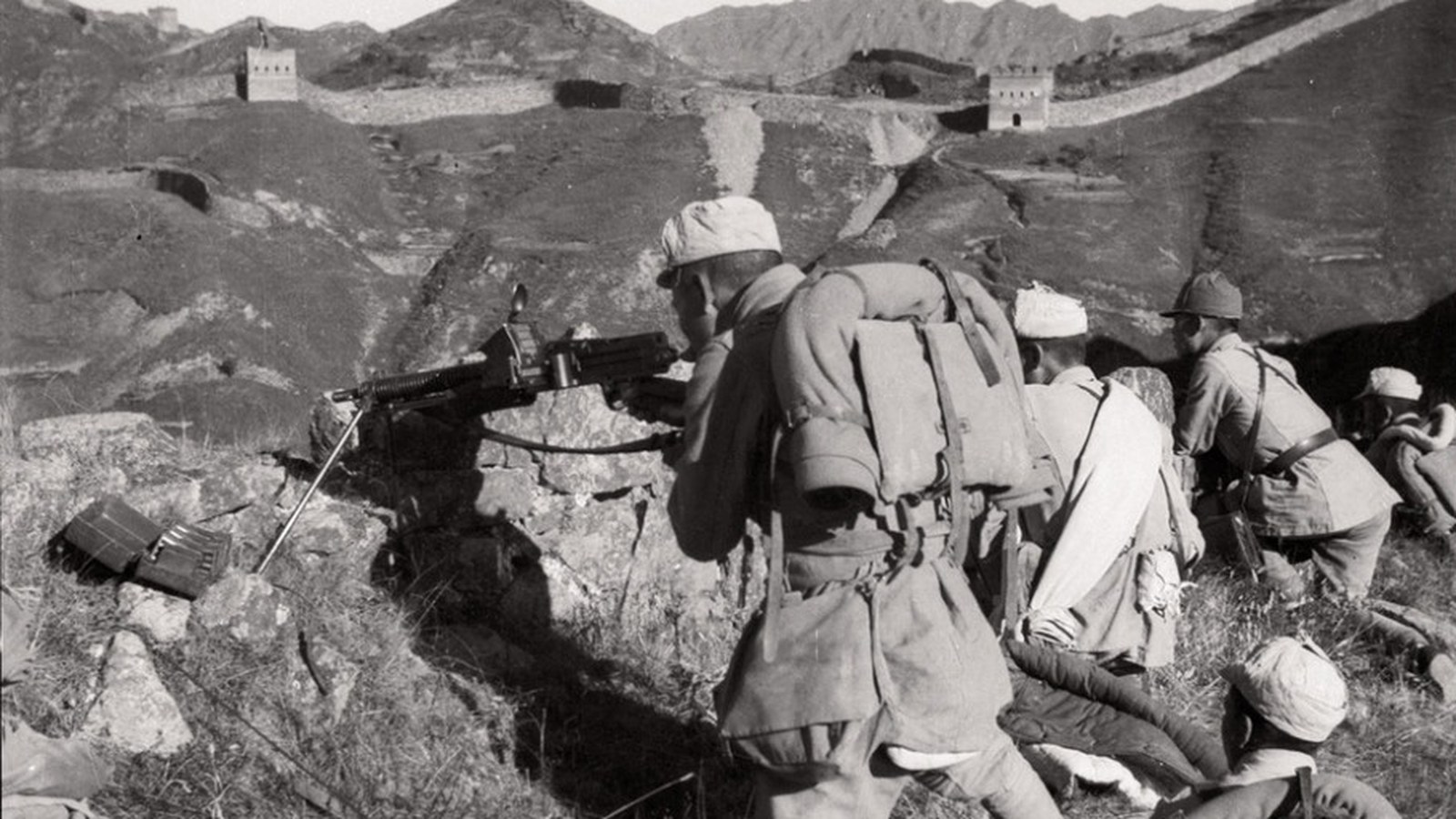
On 10 June 1935, the Republic of China and the Empire of Japan conclude the He–Umezu Agreement — the secret understanding that forces Kuomintang withdrawal from Hebei and gives Japan de facto control of the province.
Signatories: General He Yingqin for China and Yoshijirō Umezu, commander of the Kwantung Army. The agreement follows Japanese ultimatums of May–June after the assassination of pro-Japanese journalists and shows of force in Tianjin.
Japan demands dismissal of Hebei authorities, an end to KMT political activity in Peiping and Tianjin, disbandment of anti-Japanese organisations and compensation. Chiang Kai-shek complies while still campaigning against the Communists.
Though secret, details leaked to the press and fuelled nationalist indignation. The truce held until 7 July 1937, when the Sino-Japanese War erupted.
For North China, 10 June 1935 marks loss of control over Hebei before the East Hebei Autonomous Council.
The agreement is documented in 1930s Sino-Japanese historiography.
The He–Umezu Agreement of 10 June 1935 remains the act that demilitarised Hebei under Japanese pressure.
Image: North China; Wikimedia Commons. Cropped to 16:9.
Source consulted: He–Umezu Agreement. Treaty text: NIDS study on Sino-Japanese relations (PDF).











0 Comments
No comments on this article yet. Be the first!