


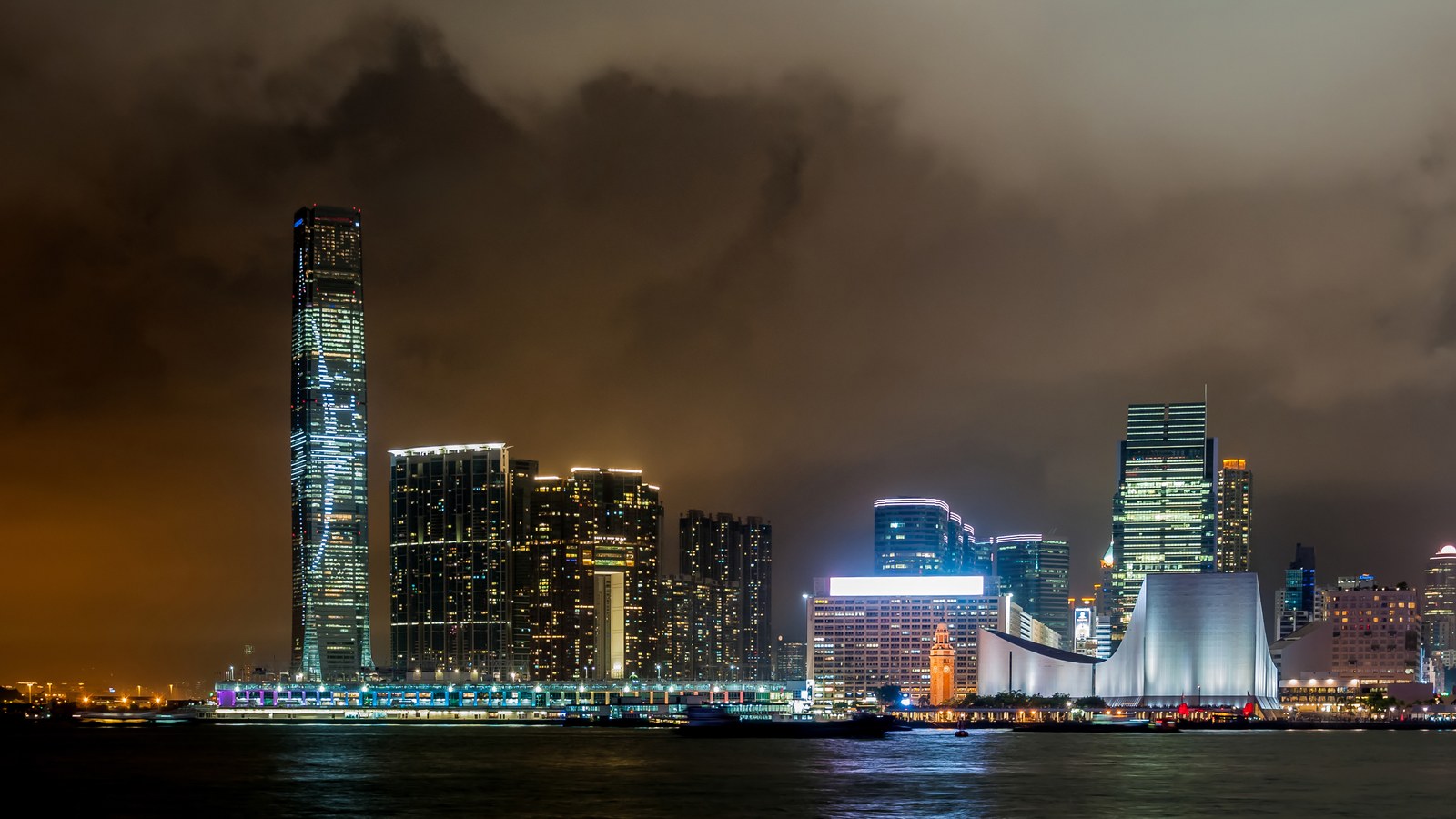
In Hong Kong, on 29 March 2010, the Hong Kong Special Administrative Region of China and New Zealand sign the Hong Kong–New Zealand Closer Economic Partnership Agreement. It is Hong Kong’s first bilateral free trade agreement on goods and services with a foreign country. Negotiations last eight years; conclusion is announced by John Key and Donald Tsang at APEC Singapore (November 2009).
It enters into force on 1 January 2011 (royal assent in New Zealand on 31 August 2010). Bilateral merchandise tariffs are already low; the agreement locks in Hong Kong’s zero access and phases down remaining tariffs by 2016, aligned with the NZ–China FTA. By 2012, 85.6% of imports must be duty-free; by 2016 clothing and footwear tariffs also fall.
Chapters cover services, government procurement, customs cooperation, technical barriers, sanitary measures, intellectual property, competition and electronic commerce, plus binding side agreements on labour and environment and an investment protocol.
For New Zealand, Hong Kong is the ninth export destination (about NZD 820 million a year) and a gateway to mainland China. For Hong Kong, annual tariff savings are estimated at about HKD 7 million; services (education, medical, environment, creative) gain preferential access.
The agreement is backed by National and Labour; the Greens vote against. It complements the 2008 NZ–China FTA and positions Hong Kong as a regional platform.
The Hong Kong–New Zealand CEPA of 29 March 2010 remains the SAR’s first comprehensive bilateral trade treaty with a foreign partner.
Image: Hong Kong; Wikimedia Commons. Cropped to 16:9.
Source consulted: Hong Kong–New Zealand Closer Economic Partnership Agreement. Treaty text: New Zealand–Hong Kong, China Closer Economic Partnership Agreement (MFAT).






0 Comments
No comments on this article yet. Be the first!