


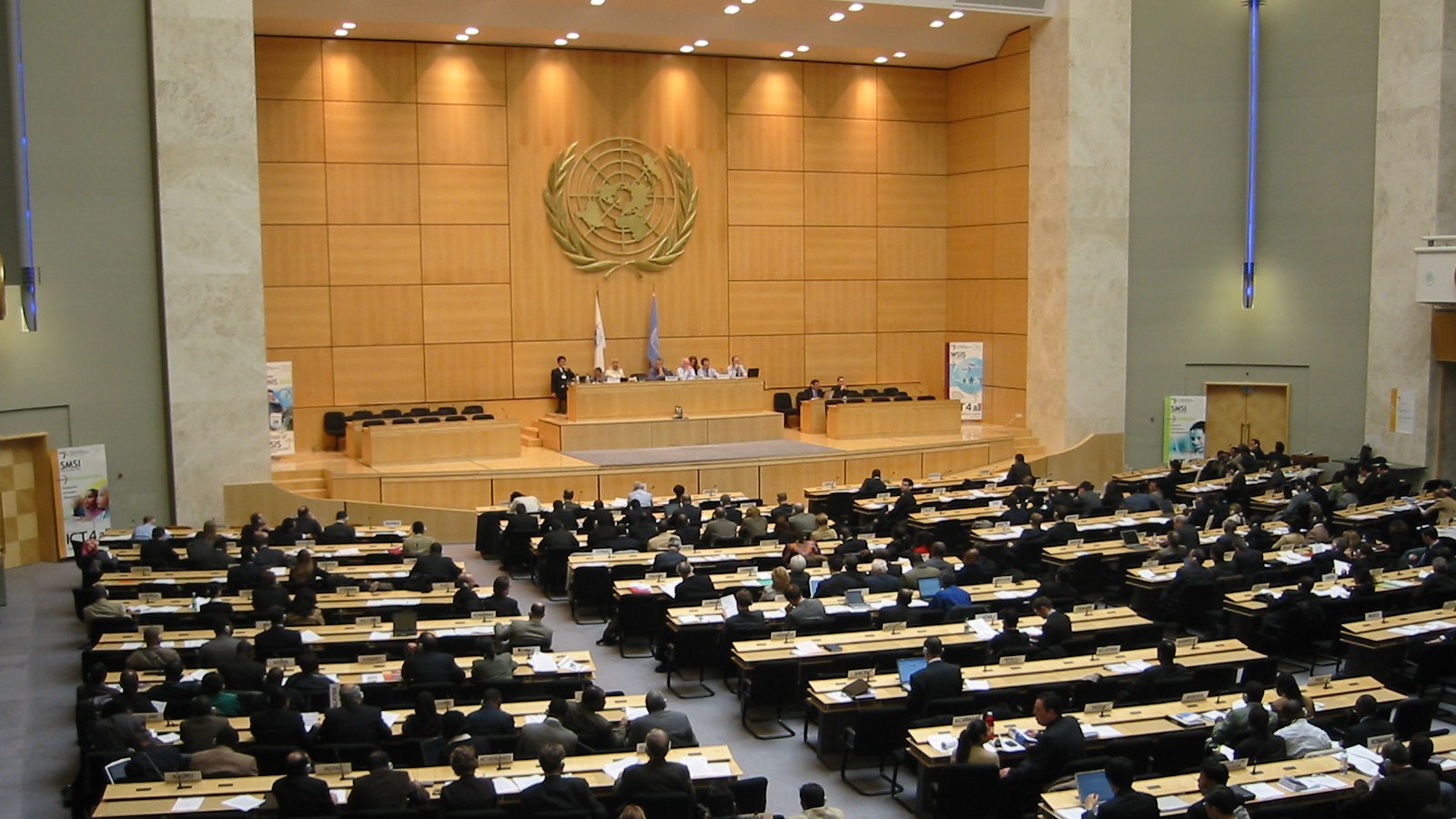
On 26 June 1957, the International Labour Conference adopts the Indigenous and Tribal Populations Convention (C107) — the first ILO instrument devoted to protecting indigenous and tribal populations in independent countries.
The Convention requires measures protecting land rights, labour conditions and education, still in an assimilationist logic typical of the 1950s; it was later revised by C169 (1989).
Entry into force: 2 June 1959. C107 was ratified by dozens of states, but many moved to C169, which abandons assimilation in favour of cultural self-determination.
Adopted in the decolonisation era, it responds to pressure for international standards on indigenous populations in Latin America, Asia and Africa.
For indigenous peoples’ law, 26 June 1957 marks the first ILO treaty in this field, before the 1989 reform.
The official text is on NORMLEX (ILO C107).
Convention C107 of 26 June 1957 remains the ILO milestone on indigenous and tribal populations before C169.
Image: Geneva; Wikimedia Commons. Cropped to 16:9.
Source consulted: Indigenous and Tribal Populations Convention, 1957. Treaty text: C107 — Indigenous and Tribal Populations Convention, 1957 (ILO).











0 Comments
No comments on this article yet. Be the first!