



In Mexico City, on 19 March 1994, the Organization of American States adopts the Inter-American Convention on International Traffic in Minors at the Fifth Inter-American Specialized Conference on Private International Law (CIDIP-V). The depositary is the OAS General Secretariat; the authentic texts are English, French, Portuguese and Spanish.
Article 1 states the purpose: prevention and punishment of international traffic in minors and regulation of its civil and penal aspects, with a view to the best interests of the child. States Parties undertake to protect minors, institute mutual legal assistance, and ensure the prompt return of victims to the State of their habitual residence.
The Convention responds to Articles 11 and 35 of the UN Convention on the Rights of the Child and to regional concern over cross-border abduction, sale and exploitation. It complements the Inter-American Convention on the International Return of Children and, for many States, the 1980 Hague Child Abduction Convention.
It enters into force on 15 August 1997 after two ratifications. At the time of documentation nine States had signed and fifteen were parties. The official text is published by the OAS as treaty B-57.
The instrument remains rarely invoked in practice for parental trafficking cases, yet it supplies the hemisphere’s civil-penal framework for judicial cooperation and the return of child victims.
The Inter-American Convention on International Traffic in Minors of 19 March 1994 remains the OAS treaty dedicated to preventing and punishing such traffic in the Americas.
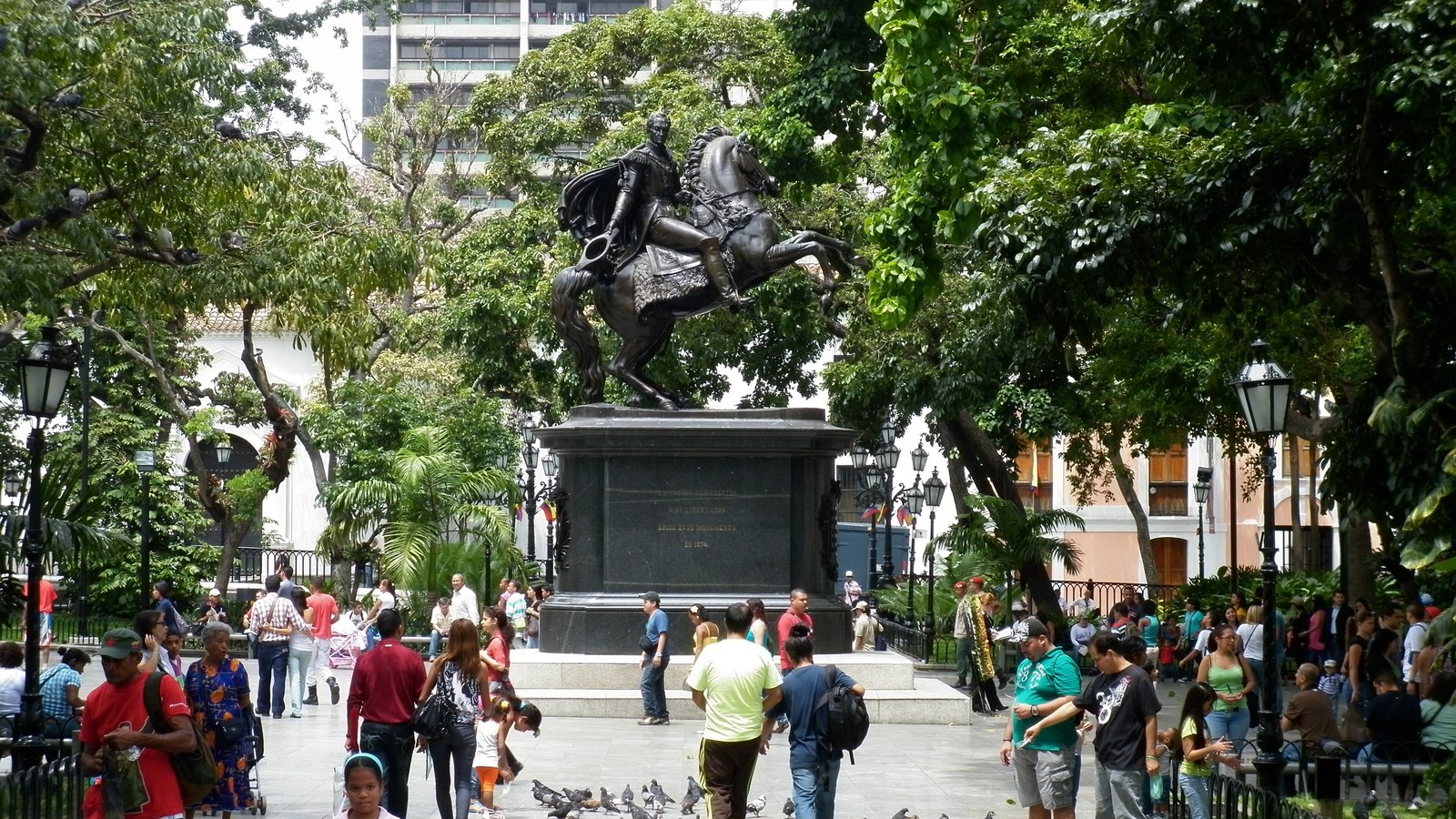
Image: Mexico City Cathedral; Wikimedia Commons. Cropped to 16:9.
Source consulted: Inter-American Convention on International Traffic in Minors. Treaty text: Inter-American Convention on International Traffic in Minors (OAS B-57).










0 Comments
No comments on this article yet. Be the first!