


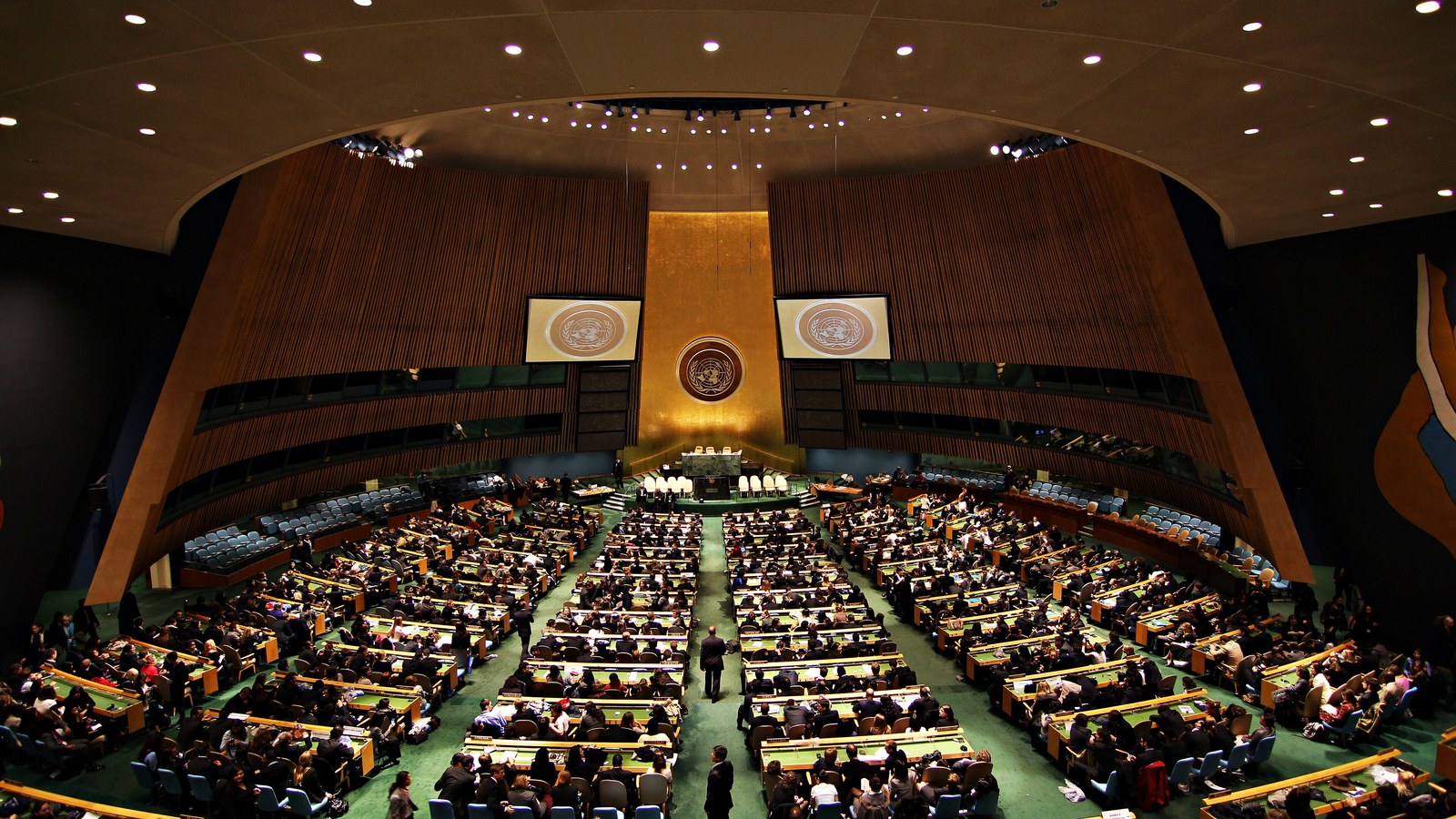
On 30 November 1973, in New York, the General Assembly of the United Nations adopted, by resolution 3068 (XXVIII), the International Convention on the Suppression and Punishment of the Crime of Apartheid, opened for signature the same day. The vote was 91 in favour, 4 against (Portugal, South Africa, the United Kingdom and the United States) and 26 abstentions. The authentic texts are Chinese, English, French, Russian and Spanish, deposited in the archives of the United Nations; the Secretary-General transmits certified copies. It is not the International Convention on the Elimination of All Forms of Racial Discrimination of 1965.
The preamble recalls the Charter, the Universal Declaration of Human Rights, Declaration 1514 (XV), the 1965 Convention, the Genocide Convention and the 1968 Convention on the Non-Applicability of Statutory Limitations to War Crimes and Crimes against Humanity. Article I: apartheid is a crime against humanity; the inhuman acts resulting from the policies and practices of apartheid and similar policies of racial segregation, as defined in article II, violate international law and constitute a serious threat to peace; organizations, institutions and individuals committing the crime are declared criminal.
Article II: the crime of apartheid, including similar practices as practised in southern Africa, means inhuman acts committed for the purpose of establishing and maintaining domination by one racial group over any other and systematically oppressing them: (a) denial of the right to life and liberty of person, by murder, serious bodily or mental harm, torture or cruel treatment, arbitrary arrest and illegal imprisonment; (b) living conditions calculated to cause physical destruction in whole or in part; (c) legislative measures calculated to prevent participation in the political, social, economic and cultural life of the country; (d) separate reserves and ghettos, prohibition of mixed marriages, expropriation of landed property; (e) exploitation of labour, in particular forced labour; (f) persecution of organizations and persons because they oppose apartheid.
Article III: international criminal responsibility shall apply, irrespective of the motive involved, to individuals, members of organizations and institutions and representatives of the State, whether residing in the territory where the acts are perpetrated or in some other State, whenever they commit, participate in, directly incite or conspire in, or directly abet, encourage or co-operate in, the acts in article II. Article IV: legislative measures to suppress, prevent encouragement of, and punish the crime. Article V: trial by a competent tribunal of any State Party which may acquire jurisdiction over the accused, or by an international penal tribunal accepted by the States Parties concerned. Article VI: the decisions of the Security Council shall be accepted and carried out. Article XI: the acts in article II shall not be considered political crimes for the purpose of extradition.
Article VII: periodic reports to the group established under article IX; copies to the Special Committee on Apartheid. Article VIII: any State Party may call upon any competent organ of the United Nations to take such action as it considers appropriate. Article IX: the Chairman of the Commission on Human Rights shall appoint a group of three members who are representatives of States Parties, meeting for not more than five days. Article X: the Commission may prepare a list of individuals, organizations, institutions and representatives of States alleged to be responsible. Article XII: disputes not settled by negotiation shall, at the request of the States Parties to the dispute, be brought before the International Court of Justice.
Article XIII: open for signature by all States; any State which does not sign before entry into force may accede. Article XIV: ratification and accession, deposited with the Secretary-General. Article XV: it enters into force on the thirtieth day after the deposit of the twentieth instrument, on 18 July 1976. Article XVI: denunciation takes effect one year after receipt. Article XVII: revision, the General Assembly deciding the steps, if any. It is not the Rome Statute of 1998.
Image: United Nations General Assembly Hall, New York; Basil D Soufi, 23 April 2011; CC BY-SA 3.0, Wikimedia Commons. Cropped to 16:9.
Source consulted: Apartheid Convention. Treaty text: International Convention on the Suppression and Punishment of the Crime of Apartheid, New York, 30 November 1973.











0 Comments
No comments on this article yet. Be the first!