


On 19 November 1999, at Istanbul, the Heads of State or Government of the OSCE participating States signed the Charter for European Security, a document of the Sixth Summit (18–19 November). English, French, German, Italian, Russian and Spanish. The original is transmitted to the Secretary General of the Organization, who transmits a certified true copy to each participating State. It is not the 1990 Charter of Paris and not the Agreement on Adaptation of the CFE Treaty, signed also at Istanbul but as a separate instrument.
Point 1: a commitment to a free, democratic and more integrated OSCE area; the Platform for Co-operative Security; the OSCE’s role in peacekeeping; REACT teams; civilian police-related activities; an Operation Centre; a Preparatory Committee under the Permanent Council. A common and indivisible security space, free of dividing lines and of zones with different levels of security. Points 2–6: conflicts between States and within States; terrorism, violent extremism, organized crime, drug trafficking, the excessive accumulation of small arms; acute economic problems and environmental degradation; the Mediterranean neighbourhood and Central Asia.
Point 7: full adherence to the Charter of the United Nations, the Helsinki Final Act, the Charter of Paris and all other OSCE documents; all OSCE commitments apply equally, without exception; the OSCE as a regional arrangement under Chapter VIII of the UN Charter. Point 8: each participating State has an equal right to security; the inherent right to be free to choose or change its security arrangements, including treaties of alliance; the right to neutrality; States will not strengthen their security at the expense of others; within the OSCE, no State, group of States or organization can have any pre-eminent responsibility for peace and stability or can consider any part of the OSCE area as its sphere of influence. Point 11: the primary responsibility of the Security Council; non-use of force or the threat of force.
Point 12: the Platform, an essential element of the Charter; no hierarchy of organizations and no permanent division of labour. Points 19–22 and 25–26: human rights, national minorities, rejection of ethnic cleansing and mass expulsion, the 1951 Convention and the 1967 Protocol, free elections in line with the Copenhagen Document 1990, independent media. Point 29: the CFE Treaty must continue to serve as a cornerstone of European security; its provisions are being adapted and, upon entry into force, the adapted Treaty will be open to voluntary accession by other OSCE participating States between the Atlantic and the Urals. Points 42–43: REACT and an Operation Centre within the Conflict Prevention Centre.
Point 51: the Charter underpins the OSCE’s role as the only pan-European security organization entrusted with ensuring peace and stability in its area. Point 52: the High Representatives, mindful of the high political significance they attach to the Charter and declaring their determination to act in accordance with it, subscribed their signatures. DONE at Istanbul, 19 November 1999.
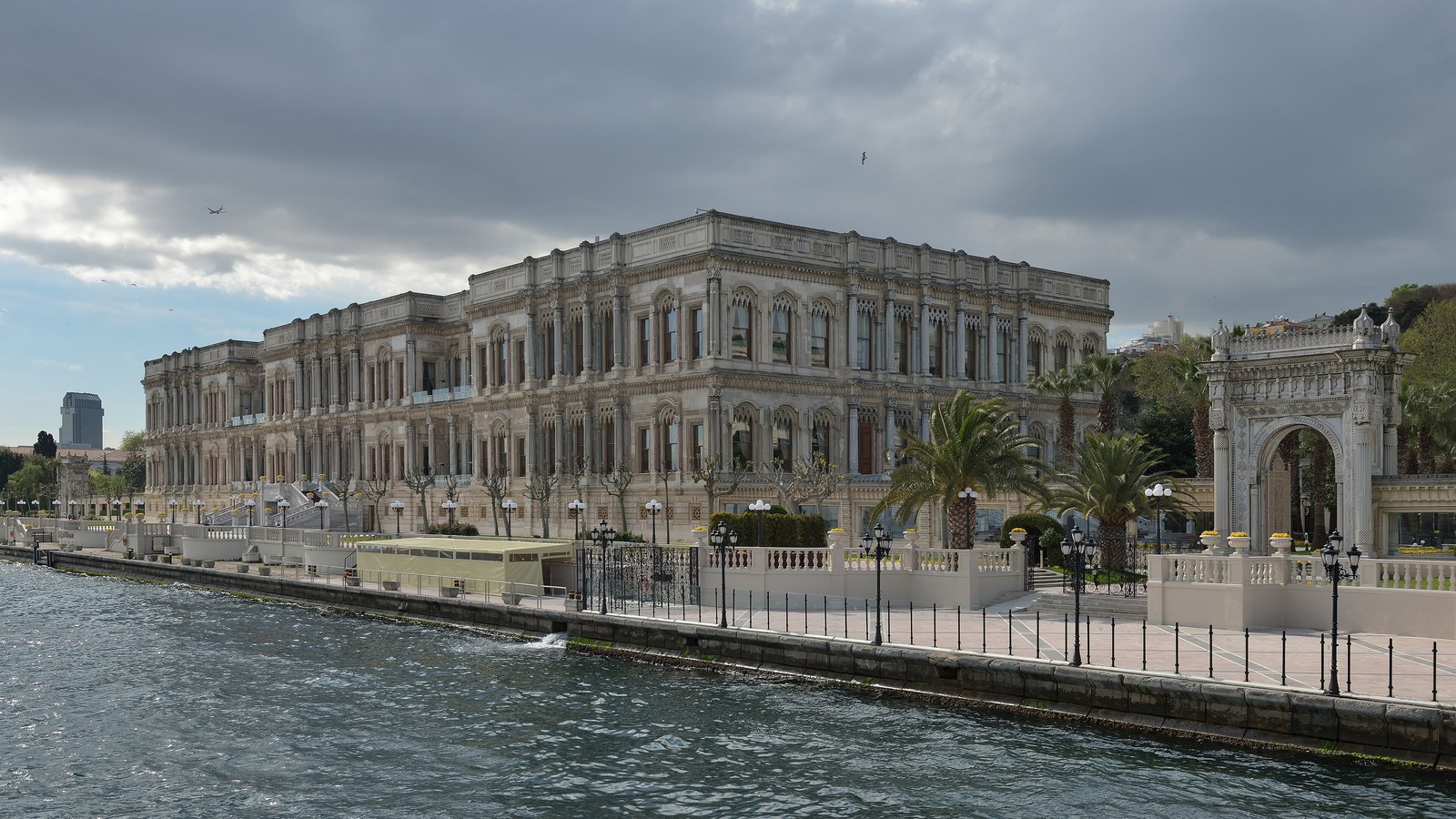
Çırağan Palace, Istanbul. The city of the OSCE summit, not the confirmed signing hall. Wikimedia Commons, CC BY-SA 3.0.
For context: Charter for European Security. The text: OSCE, Charter for European Security.










0 Comments
No comments on this article yet. Be the first!