


On 22 August 1910, the Empire of Japan and the Korean Empire sign the Japan–Korea Annexation Treaty — the document by which Korea makes the “complete and permanent” cession of sovereignty to Japan, after the 1905 and 1907 protectorate treaties.
Plenipotentiaries are Terauchi Masatake (Japanese resident-general) and Ye Wan-yong (Korean prime minister). Article I fixes the cession; later articles regulate Korean imperial house titles, Japanese administration and employment of loyal Koreans.
The treaty was publicly promulgated on 29 August 1910, marking the official start of Japanese rule. Its legality was later contested; the 1965 Treaty on Basic Relations confirms that treaties concluded on or before 22 August 1910 are “already null and void”.
The English text was officially communicated to the United States by Ambassador Uchida (FRUS 1910).
For the Korean peninsula, 22 August 1910 marks the annexation signature.
The document is published in Foreign Relations of the United States.
The Japan–Korea Treaty of 22 August 1910 remains the colonial annexation milestone.
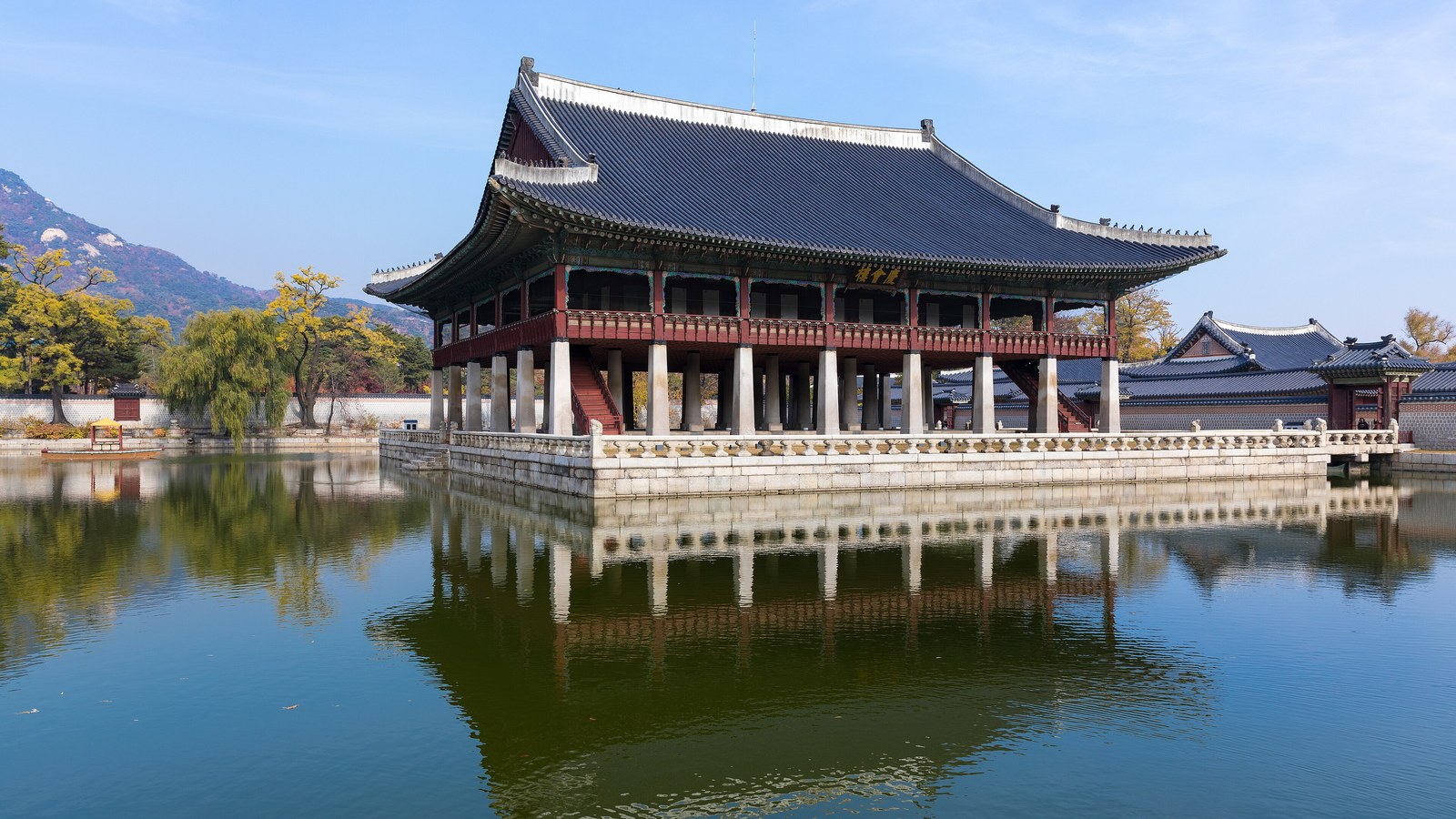
Image: Seoul/Tokyo; Wikimedia Commons. Cropped to 16:9.
Source consulted: Japan–Korea Treaty of 1910. Treaty text: FRUS 1910 — Japan–Korea Annexation Treaty.











0 Comments
No comments on this article yet. Be the first!