


On 7 July 1999, in Lomé, the Government of Sierra Leone and the Revolutionary United Front (RUF) sign the Lomé Peace Agreement — the deal meant to end the civil war, with amnesty, power-sharing and transforming the RUF into a political party.
The agreement provides for a ceasefire, disarmament, a diamond commission and a role for Foday Sankoh in government; it was mediated by ECOWAS and the international community.
Implementation quickly failed: the RUF breached terms, took UN peacekeepers hostage, and British intervention and the Special Court followed. The amnesty for serious crimes was heavily criticised.
The document nonetheless remains a milestone of West African peace diplomacy at the end of the 1990s.
For Sierra Leone, 7 July 1999 marks the formal signing of the Lomé peace, before the conflict reignited.
The text is documented by the UN / peacemaker.un.org.
The Lomé Peace Agreement of 7 July 1999 remains the reference for Sierra Leone’s peace process.
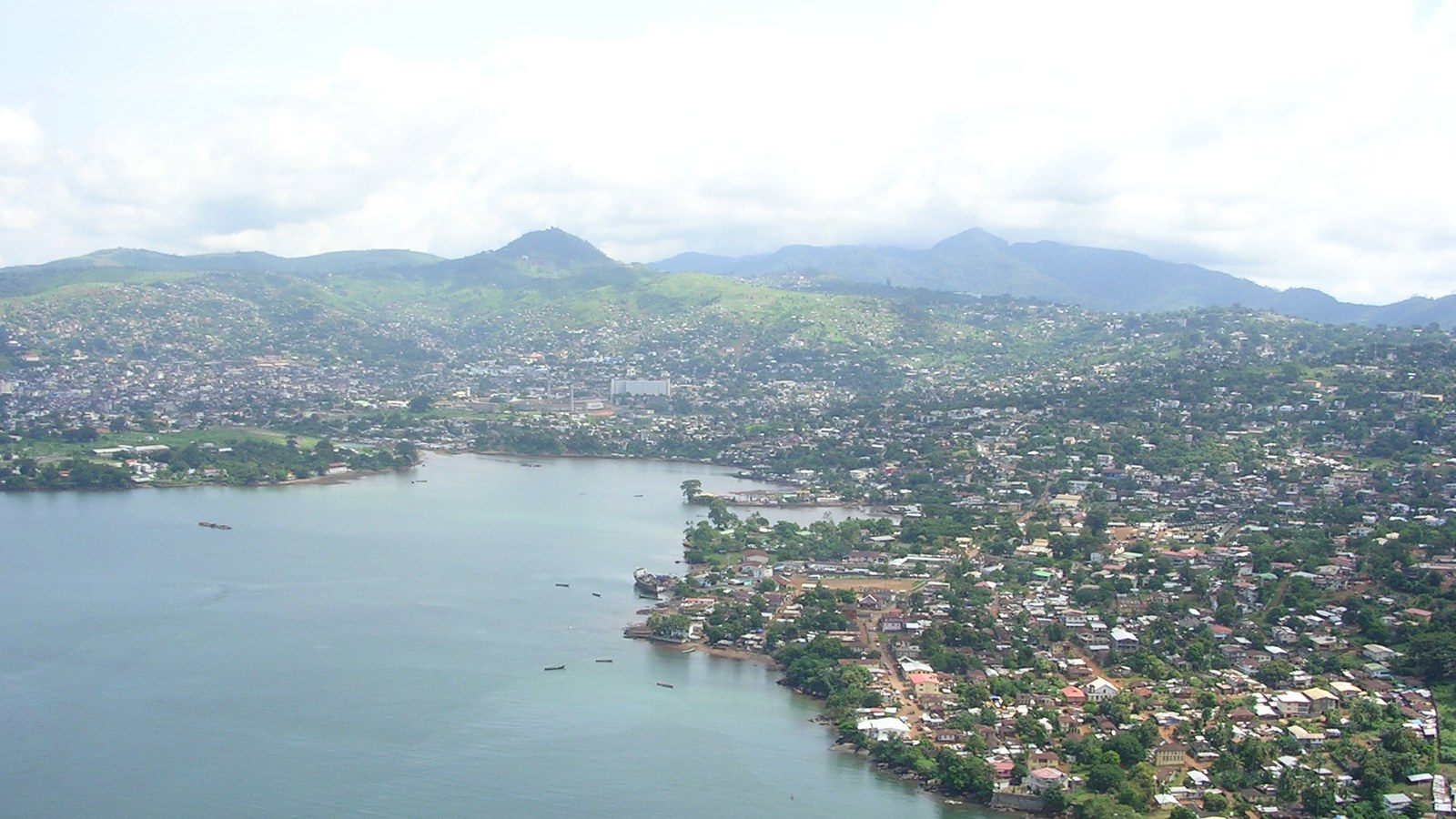
Image: Lomé / West Africa; Wikimedia Commons. Cropped to 16:9.
Source consulted: Lomé Peace Agreement. Treaty text: Lomé Peace Agreement (UN Peacemaker).











0 Comments
No comments on this article yet. Be the first!