


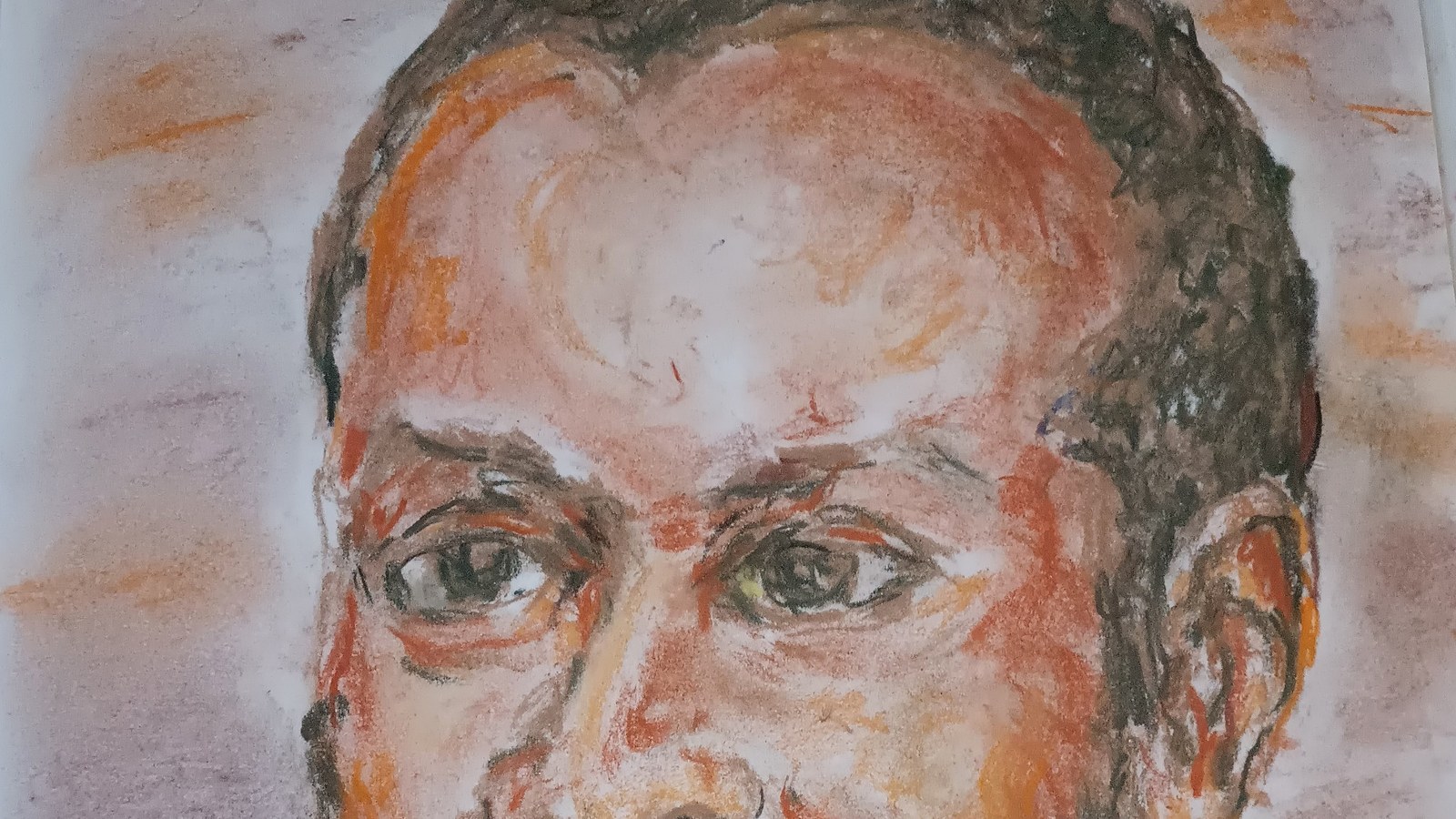
At Komatipoort, South Africa, on 16 March 1984, Mozambican President Samora Machel and South African Prime Minister P. W. Botha sign the Agreement on Non-Aggression and Good Neighbourliness between Mozambique and South Africa (the Nkomati Accord). The languages are Portuguese and English. The instrument is a non-aggression and good-neighbourliness pact in the Cold War setting of southern Africa.
Its stated focus: Mozambique would stop supporting the African National Congress (ANC) in violent actions inside South Africa; South Africa would stop supplying RENAMO in Mozambique. The deal aimed to end the proxy war that had devastated Mozambique’s economy after independence.
SADCC states and the ANC disapproved, while acknowledging Maputo was under duress: the conflict with South African-backed RENAMO had brought the country near collapse. Mozambique kept its side, expelling ANC members from the south. Documents later captured at the Gorongosa base (1985) showed South Africa stepped up support for RENAMO in breach of the accord.
Nkomati therefore failed to end the Mozambican civil war. Lasting peace came only with the Rome General Peace Accords of 1992, supervised by the UN ONUMOZ mission until 1994.
Signature at Komatipoort, on the border Nkomati/Komati river, gives the accord its common name. The regional context was apartheid South Africa’s destabilisation of front-line states hosting liberation movements.
The Nkomati Accord of 16 March 1984 remains the Mozambique–South Africa non-aggression pact of the 1980s, widely violated by Pretoria’s continued support for RENAMO.
Image: Samora Machel; Wikimedia Commons. Cropped to 16:9.
Source consulted: Nkomati Accord. Treaty text: Agreement on Non-Aggression and Good Neighbourliness (Accord of Nkomati), 16 March 1984.











0 Comments
No comments on this article yet. Be the first!