
I look with considerable distrust at this new stage of the measures presented by the British authorities in connection with Bluetongue. From my point of view, the issue is not only whether an animal disease exists or is spreading, but the way such situations can be used to introduce ever tighter restrictions on farmers.
I am not claiming that I can prove the disease is “invented”. I do, however, have serious doubts about how such crises are presented and managed. In recent years I have seen, in several European countries, policies, restrictions, extra costs and administrative decisions that have placed enormous pressure on agriculture and on independent farmers. That is why I ask whether we are now seeing the beginning of a similar process in England.
European agriculture has already been subjected to very heavy pressures: ever stricter environmental rules, high production costs, limits on certain farming practices, the culling of animals during disease outbreaks, and bureaucracy that hits small and medium producers especially hard. When a new justification appears for further interventions on farms, I believe the public has the right to look at the matter critically and to demand clear evidence, transparency and proportionality.
If there is a genuine animal-health risk, the authorities must demonstrate it with data the public can access, independent testing and complete information. Farmers should not be put in a position where they absorb major losses solely on the basis of administrative decisions that have not been adequately explained. Defra and APHA have published a tally of confirmed holdings and have explained the change in procedure; my question remains whether those figures and that announcement are enough to justify, to farmers, the full chain of possible consequences.
What worries me is the possibility that, under the pretext of protecting animal health, we may gradually arrive at more restrictions, more costs and, eventually, large-scale culling, with a direct effect on farmers and on local food production. I am not saying that this is already the plan, or that there is definite proof of such a plan. I am saying that the experience of recent years gives me enough reason to look with suspicion on any policy that may further reduce farmers’ independence.
In my view, agriculture should be protected, not pushed towards disappearance through a continuous accumulation of rules, costs and interventions. If the British authorities want the trust of farmers and of the public, they must offer maximum transparency: how many cases are confirmed, by what methods they were confirmed, what mortality the disease actually causes, which measures are proportionate, and, above all, what guarantees exist that farmers will not once again be the ones who pay the highest price.
This is my personal opinion, based on how I see the evolution of agricultural policy in Europe and on my distrust of measures that may end up hitting local producers directly. It is not a news report. The factual account of the Defra/APHA announcement of 11 September 2026 is in the article UK steps up bluetongue response as cases rise in England. Official announcement: Government steps up bluetongue response (GOV.UK).
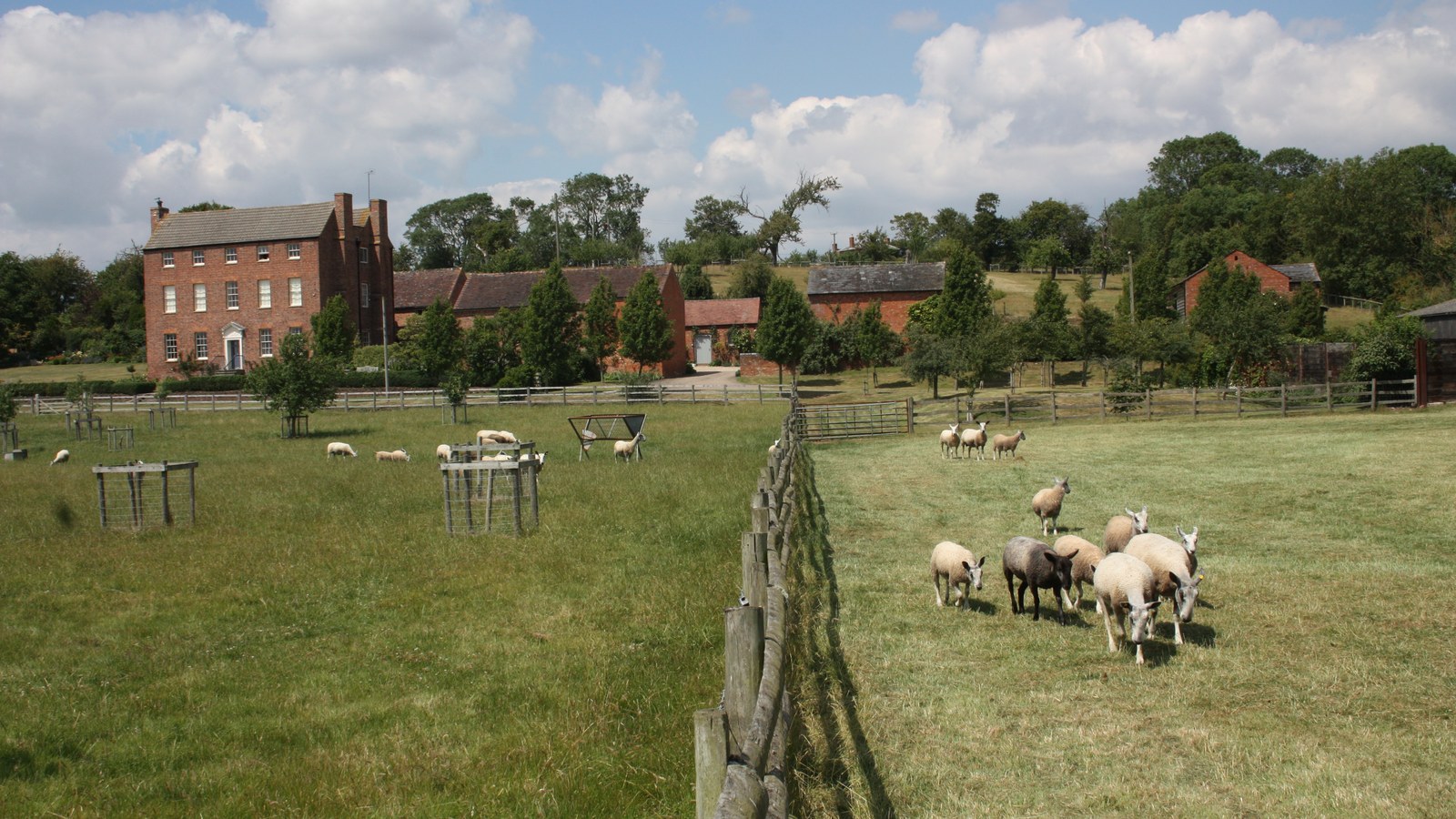
Image: Bob Embleton / Wikimedia Commons, CC BY-SA 2.0. Sheep in pasture near New Hall Farm, Forty Green, Gloucestershire, 14 July 2011. These are not animals with Bluetongue and they do not come from the 2026 outbreak.


0 Comments
No comments on this article yet. Be the first!