


After Marengo, Höchstädt and Hohenlinden, the Holy Roman Empire signed Lunéville. Naples, allied to the Second Coalition through Maria Carolina of Austria, was left exposed. Joachim Murat came up from the Papal States. The Armistice of Foligno, on 9 February 1801, pulled the Neapolitan army out of Latium, shut the ports to the British and the Ottomans and demanded the release of prisoners, among them the naturalist Déodat de Dolomieu, taken on his return from Egypt. The peace, with the mediation of the Russian general Lewaschef, sent by Paul I at the queen’s request, was signed on 28 March 1801, in Florence. Plenipotentiaries: Charles-Jean-Marie Alquier, for the French Republic, and Antonio Micheroux, for Ferdinand IV.
Article I: peace between the Republic and the king of the Two Sicilies; hostilities by land and sea cease on ratification. Article II: contrary acts fall. Article III: Neapolitan ports stay closed to British and Turkish ships until those states make peace with France and until the end of the maritime quarrel with the League of Armed Neutrality; they stay open to the Russians, the League, France and her allies. If the king fears retaliation, France and the tsar put troops. Article IV: Ferdinand renounces, for himself and his heirs, Porto Longone and the other possessions on Elba, the Stato dei Presidi and the Principality of Piombino; France may dispose of them as it sees fit.
Article V: property seized from the other party’s citizens is restored. Article VI: within three months Naples pays 500,000 francs, compensation for French agents and civilians. Article VII: amnesty for Jacobins imprisoned, exiled or in hiding, with their property back. Article VIII: works taken by the Neapolitans from Rome, among them the Athena of Velletri, return to France. Article IX: the treaty is common to the Batavian, Cisalpine and Ligurian Republics. French garrisons, at Neapolitan expense, stay a year at Pescara and in Terra d’Otranto, at Brindisi and Otranto.
Paul I had been killed in Petersburg on 24 March, four days before the signature; Napoleon still spared Ferdinand in order to draw Russia. The Presidi and Piombino passed, in part, to the new Kingdom of Etruria, in exchange for Louisiana, after Aranjuez. Elba was occupied in May; Tuscan Portoferraio held until 1802. In May Soult put some 10,000 men at Otranto, Taranto and Brindisi, towards Egypt. After the Franco-Russian peace of October the garrisons withdrew for a time; they returned in 1803, against the British fleet.
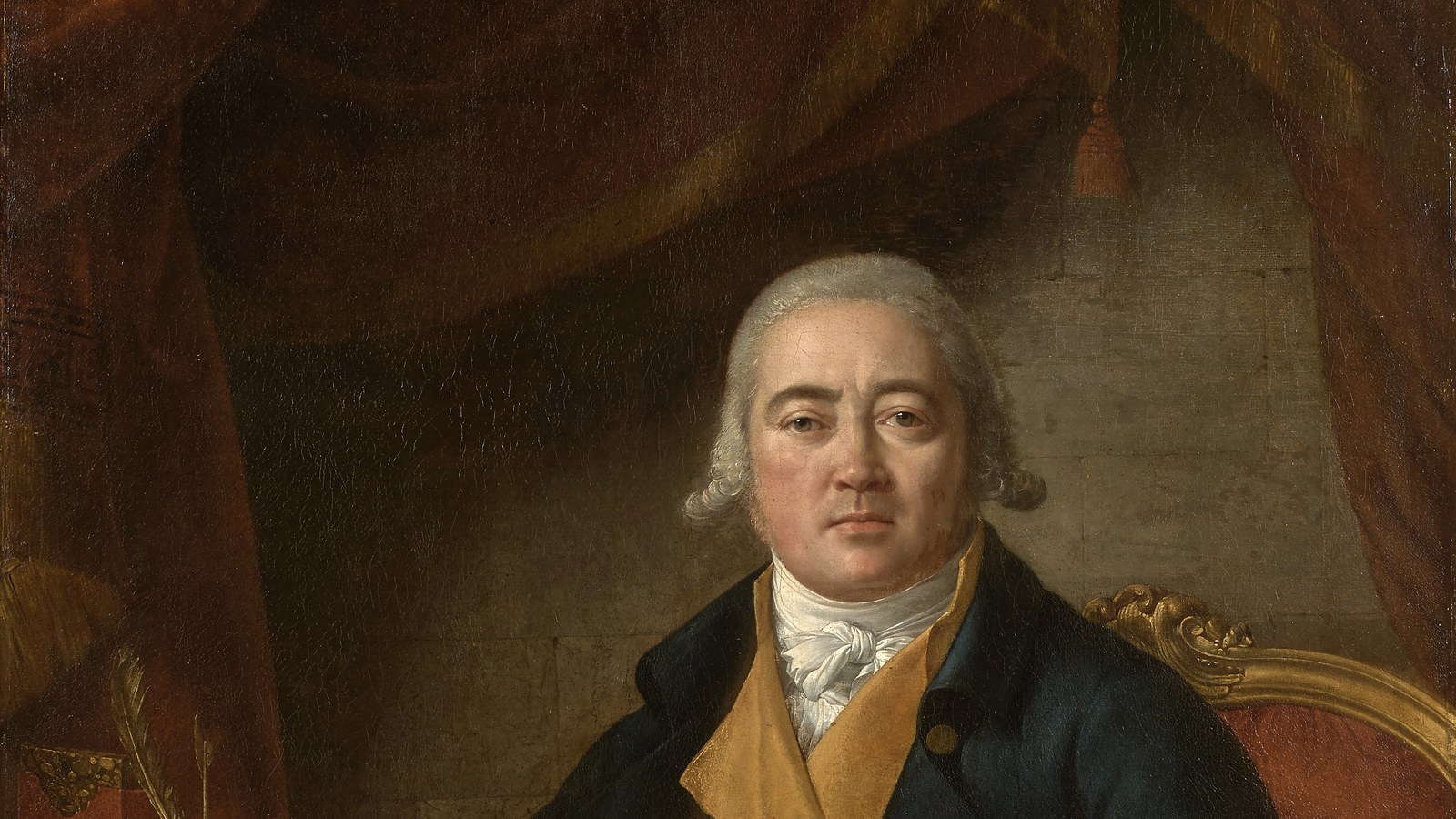
Micheroux was scorned at Naples as one who had signed without power; Alquier was named, in April, ambassador. Colletta wrote: a harsh peace, but peace. The cover is the portrait of Alquier, the French plenipotentiary, painted by Jean-Baptiste Wicar. The text is in Martens, Recueil, 2nd ed., vol. VII, no. 29.
Sources: Treaty of Florence; Romain Le Boeuf, 1801, 28 mars, Traité de Florence (Martens).










0 Comments
No comments on this article yet. Be the first!