


On 29 May 1918, in Vienna, Austria-Hungary and Finland sign the Treaty of Peace — ending the state of war inherited from the First World War, when Finland was part of the Russian Empire.
Finnish independence (6 December 1917) had not automatically broken belligerency with the Central Powers. After Brest-Litovsk and the Finno-German peace of 7 March, the conservative Senate also negotiated with Vienna.
Signatories: for Austria-Hungary, Foreign Minister Stephan Burián and Ambassador Kajetan von Mérey; for Finland, Edvard Hjelt and Allan Serlachius. The German-language text has five articles and waives war-damage claims.
The same day also saw a politico-legal supplementary treaty, a commercial convention and a private-law convention. The text appeared in the Neue Freie Presse on 31 May.
The peace follows the white government’s victory, with German support, over the workers’ republic in the Finnish Civil War.
The documents appear in the Consolidated Treaty Series and in U.S. official collections of the Finnish peaces.
The Vienna Treaty of 29 May 1918 remains the separate Austro-Hungarian–Finnish peace of 1918.
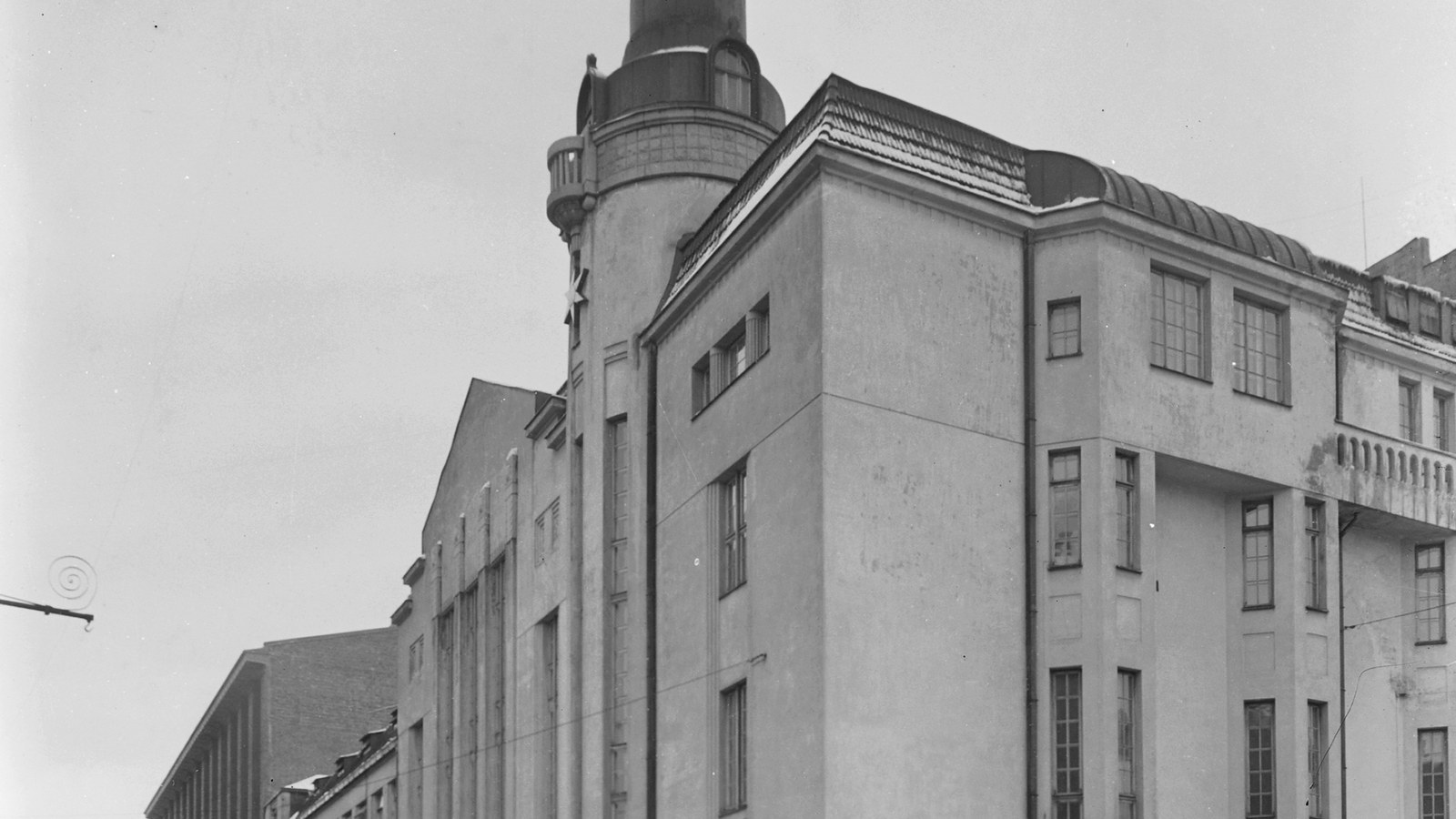
Image: Vienna / Helsinki; Wikimedia Commons. Cropped to 16:9.
Source consulted: Treaty of Peace between Austria-Hungary and Finland. Treaty text: FRUS 1918 — notes on the Finnish peaces.











0 Comments
No comments on this article yet. Be the first!