



On 14 March 1924, the government of Hungary and the governments of Great Britain, France, Italy, Romania, Yugoslavia and Czechoslovakia conclude the Protocol for the Reconstruction of Hungary, under League of Nations supervision. The instrument consists of two declarations issued the same day; the texts appear in the League of Nations Treaty Series, volume 25.
Declaration No. 1: the signatory parties undertake not to violate Hungarian territorial or economic independence, and the Hungarian government undertakes not to violate the military clauses of the Treaty of Trianon. The declaration sets the political frame for postwar reconstruction in Central Europe after Trianon.
Declaration No. 2 specifies the economic reconstruction steps, including adjusting expenditure so as to balance the budget by 30 June 1926, under a League-supervised programme. Reconstruction contemplates international loans and financial control similar to schemes applied to Austria after the First World War.
The Protocol ties Hungarian financial stabilisation to respect for Trianon and to non-aggression guarantees on territory and economy from neighbours and the great powers. Romania, Yugoslavia and Czechoslovakia (the Little Entente) join the Western powers as parties.
The League scheme aimed to stabilise Hungary’s currency and public finances after hyperinflation and the territorial losses of 1920. The text is recorded in LNTS vol. 25, pp. 424–425 (Declaration 1) and 428–440 (Declaration 2).
The Protocol of 14 March 1924 remains the key agreement for Hungary’s economic reconstruction under League of Nations auspices in the 1920s.
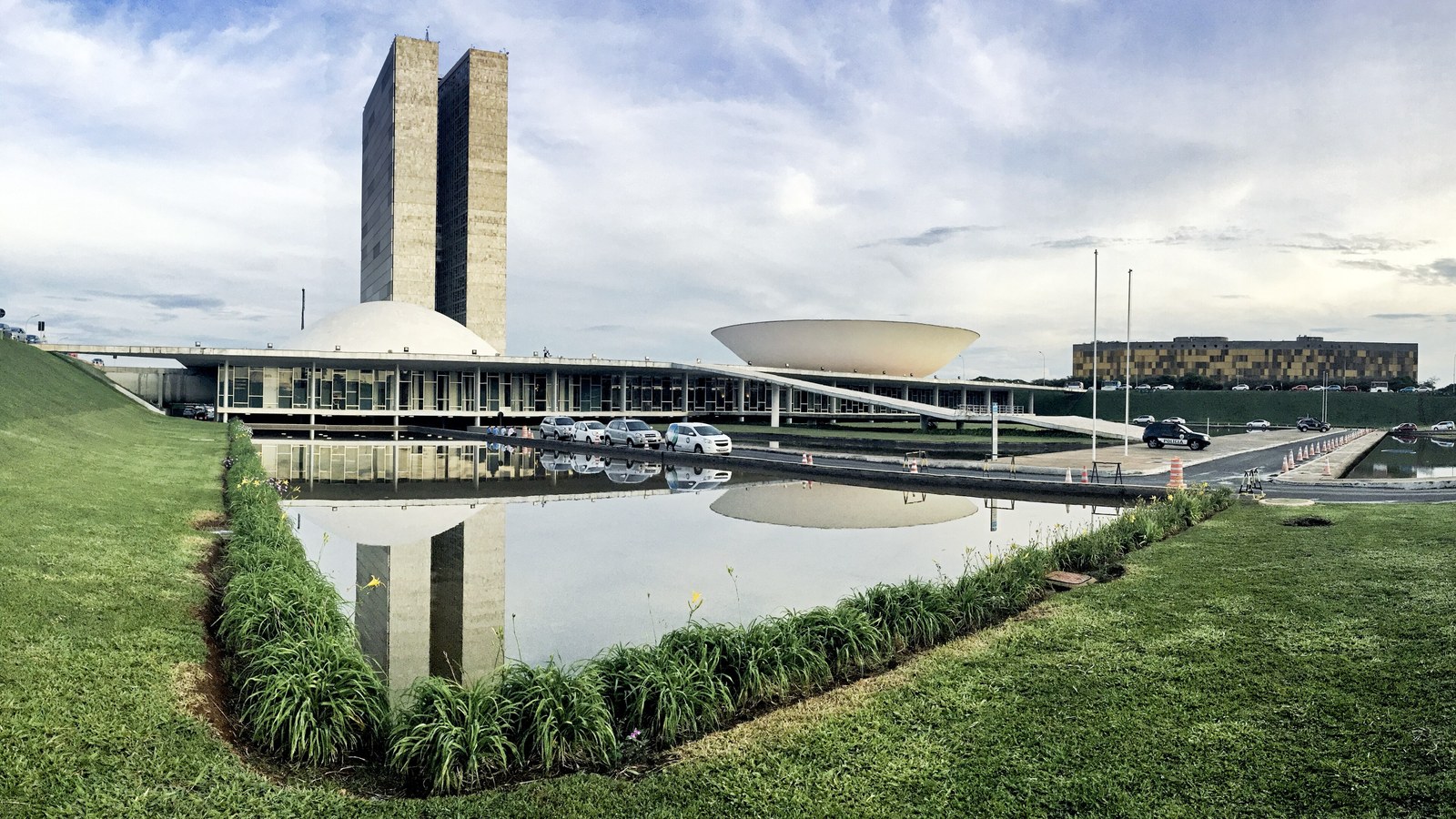
Image: Hungarian Parliament, Budapest; Wikimedia Commons. Cropped to 16:9.
Source consulted: Protocol for the reconstruction of Hungary. Treaty text: Protocol for the Reconstruction of Hungary, 14 March 1924 (LNTS).






0 Comments
No comments on this article yet. Be the first!