


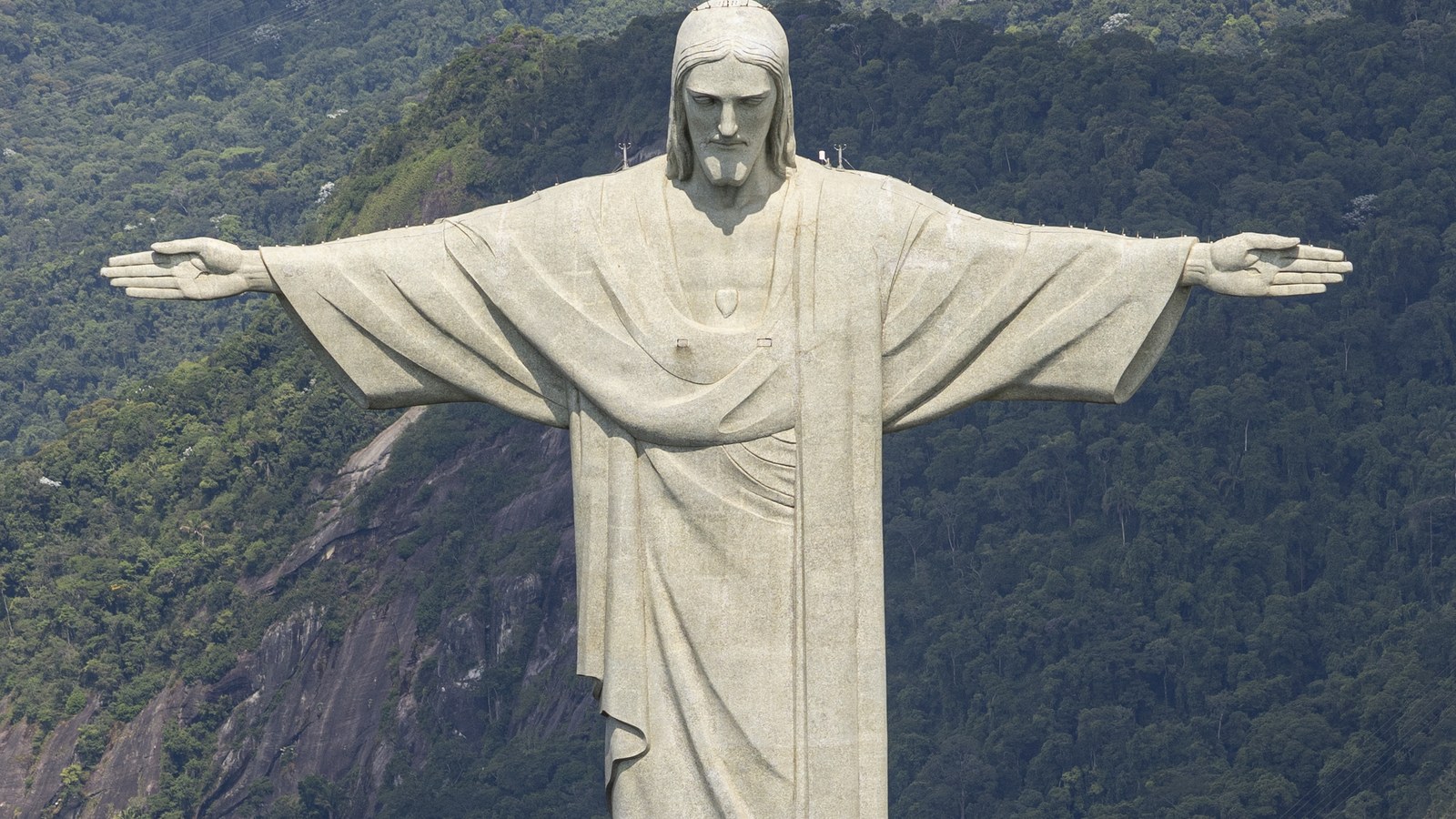
On 2 September 1947, in Rio de Janeiro, the American states sign the Inter-American Treaty of Reciprocal Assistance (TIAR / Rio Treaty) — the Western Hemisphere’s collective-defence pact.
The document provides that an armed attack against an American state is considered an attack against all and that assistance measures may include armed force, with Organ of Consultation approval. It complements the UN Charter and prepares the Organization of American States.
Negotiated after the Chapultepec Conference (1945) and amid the early Cold War, the treaty entered into force in 1948. It was invoked in crises such as Cuba (1962) and the Falklands/Malvinas (1982), with contested results.
The OAS manages the depositary and official text; the treaty remains a legal pillar of the inter-American security system.
For the Americas, 2 September 1947 marks the Rio signature.
The text is published by the Organization of American States.
The Rio Treaty of 2 September 1947 remains the American collective-defence milestone.
Image: Rio de Janeiro; Wikimedia Commons. Cropped to 16:9.
Source consulted: Inter-American Treaty of Reciprocal Assistance. Treaty text: OAS — Inter-American Treaty of Reciprocal Assistance.











0 Comments
No comments on this article yet. Be the first!