


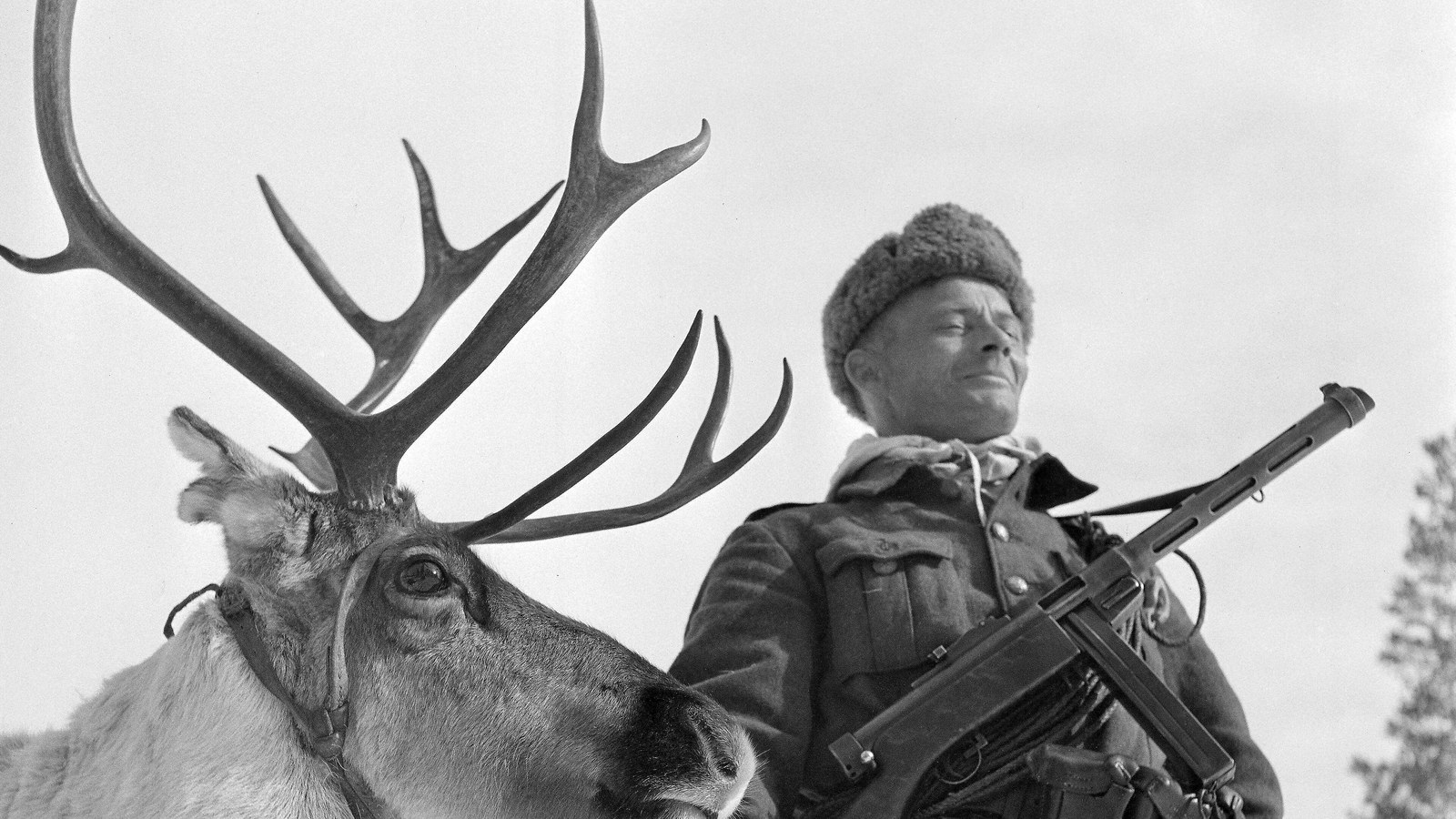
On 26 June 1944, Finnish President Risto Ryti signs the Ryti–Ribbentrop Agreement — a personal letter to Joachim von Ribbentrop committing Finland not to make a separate peace with the USSR without Germany’s consent.
The deal follows the Soviet Karelian offensive and Berlin’s conditioning of arms deliveries on a political guarantee. Ryti signs in a personal capacity, not as a parliament-ratified treaty, to sidestep constitutional constraints.
In September 1944, after Ryti resigns, President Mannerheim treats the pledge as lapsed and Finland signs the Moscow Armistice. Germany cuts support.
The document illustrates Finland’s dependence on Germany in the Continuation War and the legal subtlety of a “personal promise” versus a formal treaty.
For Second World War diplomacy, 26 June 1944 marks Finland’s commitment to the Reich near the end of the northern war.
Context and text are documented in Finnish historiography and diplomatic archives.
The Ryti–Ribbentrop Agreement of 26 June 1944 remains the key episode of Finland’s alignment with Germany before the September armistice.
Image: Finland / WWII; Wikimedia Commons. Cropped to 16:9.
Source consulted: Ryti–Ribbentrop Agreement. Treaty text: Ryti–Ribbentrop Agreement (Histdoc).







0 Comments
No comments on this article yet. Be the first!