


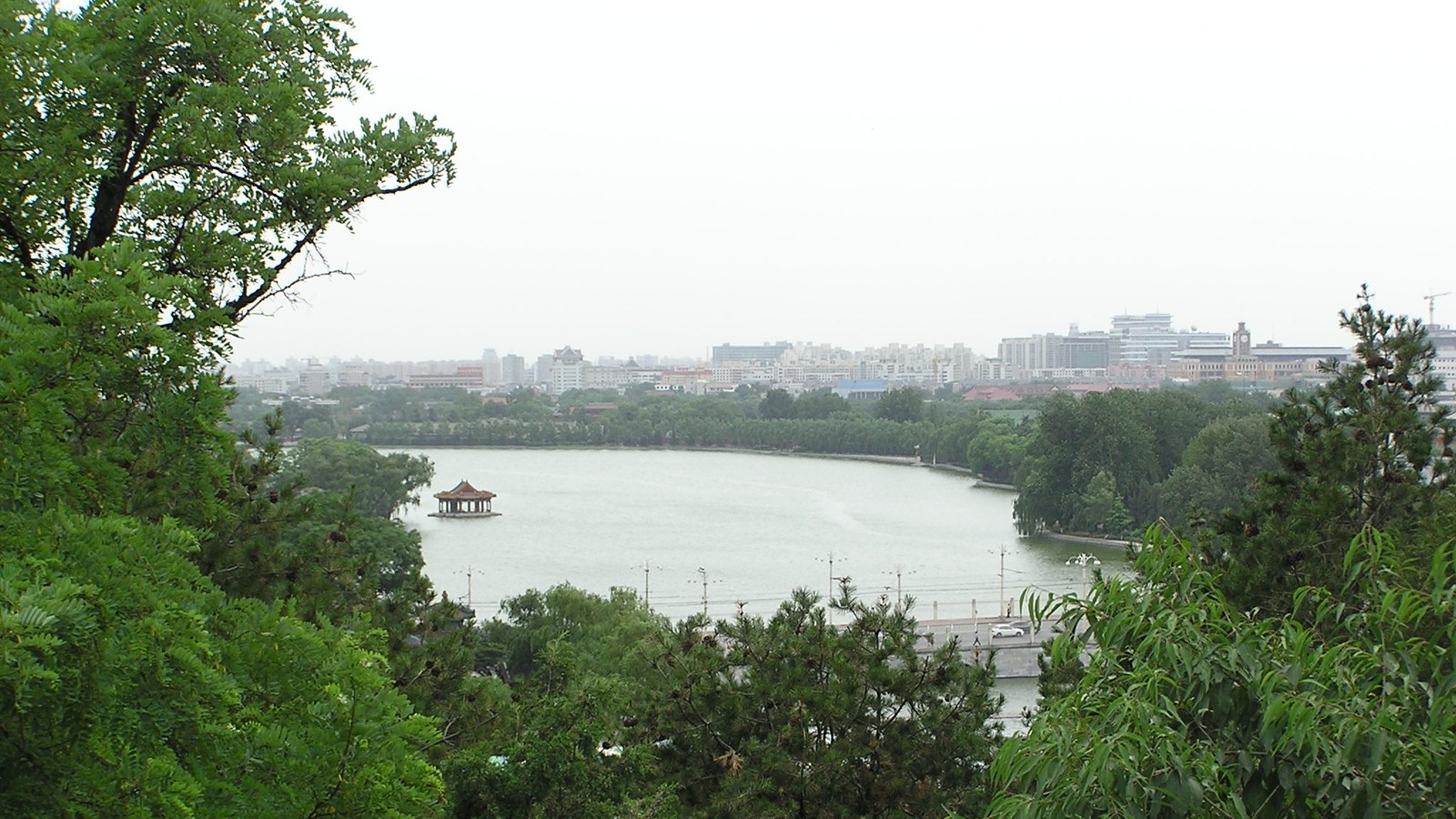
In Beijing, on 23 May 1951, in Qinzheng Hall in Zhongnanhai, the plenipotentiaries of the Central People’s Government of the People’s Republic of China and of the local government of Tibet signed and sealed the Agreement on Measures for the Peaceful Liberation of Tibet, known as the Seventeen-Point Agreement. For Beijing, Li Weihan, chairman of the Commission of Nationalities Affairs, signed, then Zhang Jingwu, Zhang Guohua and Sun Zhiyuan. For Lhasa, Kalon Ngapoi Ngawang Jigme, followed by Khemey Sonam Wangdi, Thupten Tenthar, Thupten Lekmuun and Sampho Tenzin Thondup. Among those present were Zhu De, Li Jishen and Chen Yun, standing in for Premier Zhou Enlai. The Chinese and Tibetan texts both form part of the instrument. Article 17 states that the agreement comes into force as soon as the signatures and seals are affixed.
The agreement is not the Battle of Chamdo of October 1950, after which Beijing asked for delegates to talks, nor the 14th Dalai Lama’s telegram of 24 October 1951 ratifying the act, nor the 1959 uprising, nor the founding of the Tibet Autonomous Region in 1965.
The Tibetan delegation reached Beijing at the end of April. The talks lasted some twenty-five days. Point 1 calls on the Tibetan people to unite, drive out imperialist forces and return to the big family of the People’s Republic of China. Point 2: the local government is to assist the People’s Liberation Army in entering Tibet and consolidating national defence. Point 3 recognises the right to national regional autonomy under the unified leadership of the Central People’s Government, in accordance with the Common Programme of the Chinese People’s Political Consultative Conference.
Points 4–6 leave unchanged the existing political system, and the status, functions and powers of the Dalai Lama and of the Panchen Ngoerhtehni, meaning those of the 13th Dalai Lama and the 9th Panchen when their relations were friendly. Point 7 protects religious belief, customs and the income of the monasteries. Point 8 provides for the stepwise reorganisation of Tibetan troops into the People’s Liberation Army. Point 11: the central authorities will not compel reforms; the local government is to carry them out of its own accord, and popular demands are to be settled in consultation with Tibet’s leading personnel.
Point 14 places all external affairs of the area of Tibet in the hands of the Central People’s Government. Point 15 sets up a military and administrative committee and a military area headquarters, absorbing as many local Tibetans as possible. Funds come from Beijing; Lhasa is to help purchase and transport food. Point 13 forbids the army to take even a needle or a thread from the people.
The Dalai Lama ratified by telegram on 24 October 1951, in the name of the local government, clergy and lay folk. After reaching India in 1959 he said the agreement had been thrust upon Tibet by the threat of arms and that Beijing had broken its terms. Ngapoi Ngawang Jigme denied duress. Goldstein notes that the seals affixed in Beijing were personal seals, not the Tibetan government’s seal, and that the delegates lacked full authority to conclude without Lhasa.
The Zhongnanhai act is not the 13th Dalai Lama’s de facto declaration of independence in 1912, after the fall of the Qing. What remains is the seventeen-point text, signed in Beijing, contested since by the Tibetan government-in-exile and defended by Beijing as the basis of sovereignty over the territory.
Image: Zhongnanhai, Beijing, June 2006; gugganij, CC BY-SA 3.0, Wikimedia Commons. Cropped to 16:9. The 1951 signing took place in Qinzheng Hall in this compound.
Source consulted: Seventeen Point Agreement. Treaty text: Wikisource: Agreement on Measures for the Peaceful Liberation of Tibet, 23 May 1951.










0 Comments
No comments on this article yet. Be the first!