


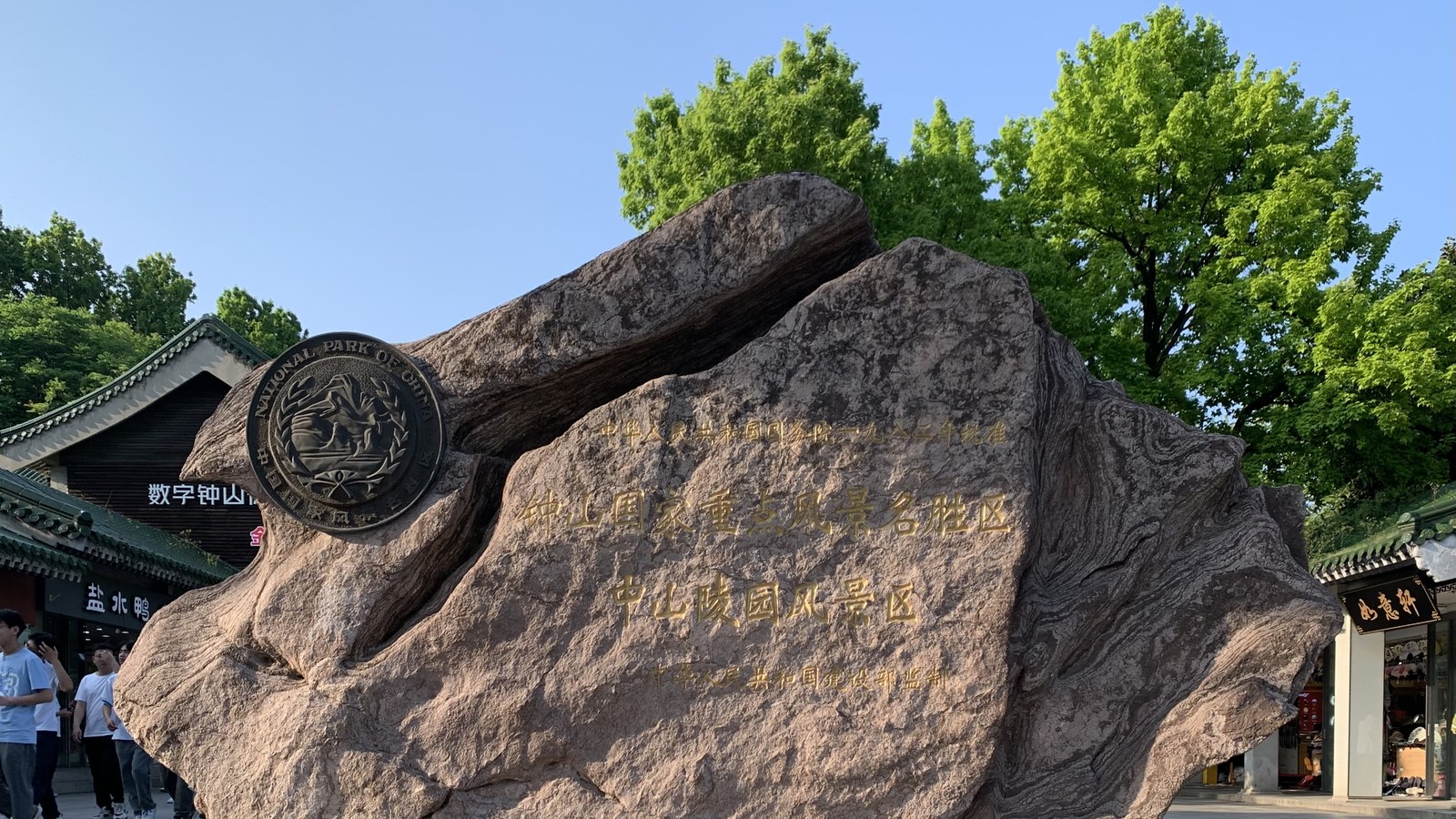
On 21 August 1937, in Nanjing, the Republic of China and the Soviet Union sign the Sino-Soviet Non-Aggression Pact — the treaty later registered in the League of Nations Treaty Series (No. 4180).
Plenipotentiaries are Wang Chung-hui (Chinese foreign minister) and Dimitri Bogomoloff (Soviet ambassador). The English text enters into force on signature for five years, with automatic two-year renewals.
The articles reaffirm renunciation of war between the parties, a pledge not to assist a third-party aggressor, and preservation of rights under prior treaties (including the Briand–Kellogg Pact).
The pact opened the way for Soviet aid (Operation Zet) to Chiang Kai-shek’s government in the Sino-Japanese War, amid Xinjiang tensions.
For 1937 Asian diplomacy, 21 August marks the Nanjing signature.
The official text appears in the League of Nations Treaty Series.
The Sino-Soviet Non-Aggression Pact of 21 August 1937 remains the ROC–USSR milestone at the start of the war with Japan.
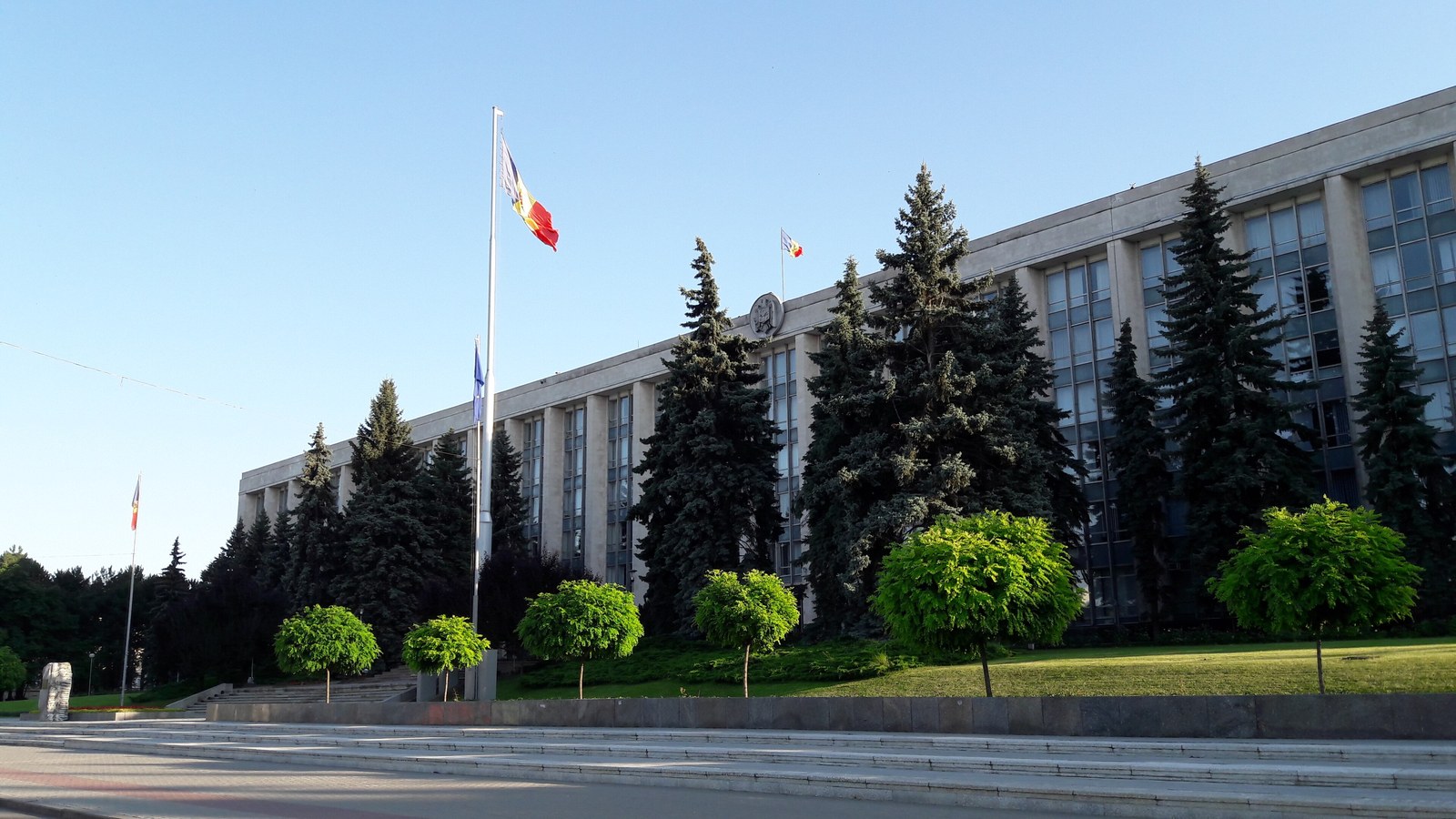
Image: Nanjing/Moscow; Wikimedia Commons. Cropped to 16:9.
Source consulted: Sino-Soviet Non-Aggression Pact. Treaty text: League of Nations Treaty Series — vol. 181 (No. 4180).






0 Comments
No comments on this article yet. Be the first!