


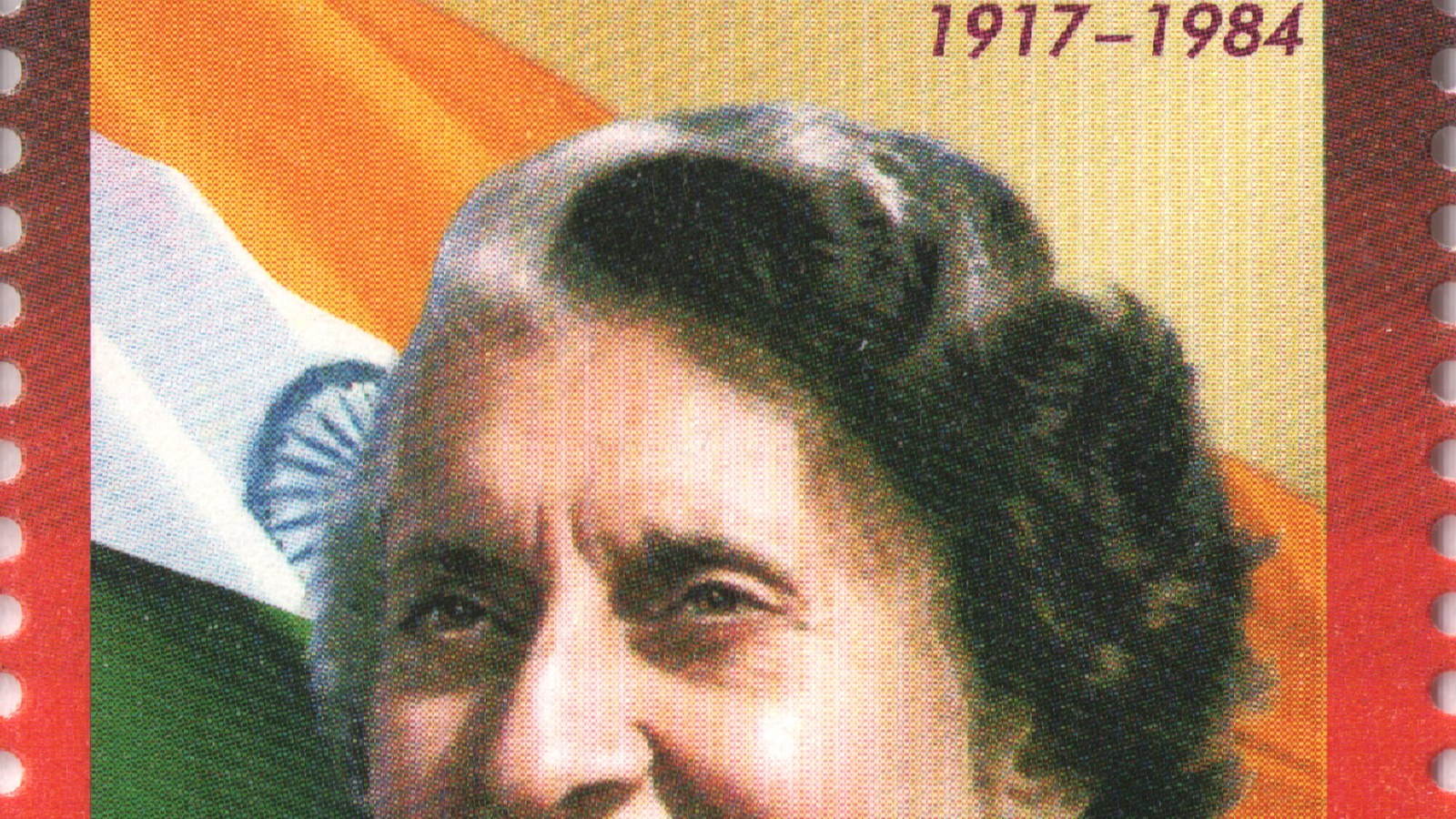
On 28 June 1974, Sirimavo Bandaranaike (Sri Lanka) and Indira Gandhi (India) sign the Sirima–Gandhi Pact — the agreement that complements the 1964 Sirima–Shastri Pact on people of Indian origin in Sri Lanka.
The 1964 pact had provided Ceylonese citizenship for about 300,000 people and repatriation of about 525,000 to India; some 150,000 remained for “future account.” The 1974 deal settles the fate of that remainder.
The bilateral instrument seeks to reduce statelessness and demographic tensions on Sri Lanka’s plantations, where communities of Indian origin had lived for generations.
Implementation was gradual and contested, but the pact remains a milestone of India–Sri Lanka relations on citizenship and repatriation.
For South Asian diplomacy, 28 June 1974 marks the formal follow-up to the problem left open after 1964.
Context is documented in India–Sri Lanka relations literature and SAARC analysis.
The Sirima–Gandhi Pact of 28 June 1974 remains the bilateral reference for the remaining people of Indian origin in Sri Lanka.
Image: India / Sri Lanka; Wikimedia Commons. Cropped to 16:9.
Source consulted: Sirima–Gandhi Pact. Treaty text: Sirima–Gandhi Pact — SAAG analysis (archive).











0 Comments
No comments on this article yet. Be the first!