


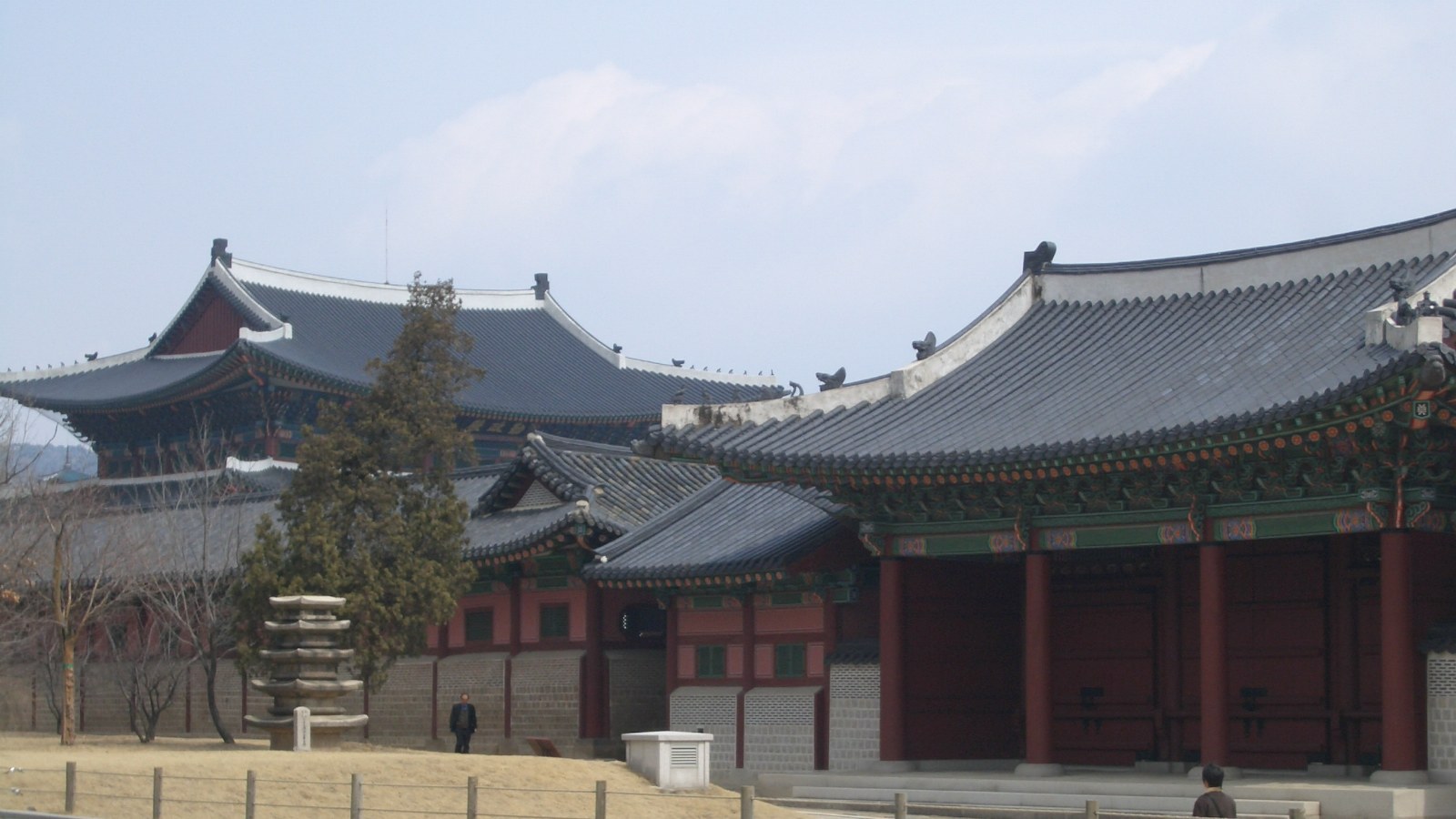
In Seoul, on 21 March 2011, the Republic of Korea and Peru sign the South Korea–Peru Free Trade Agreement. It is Korea’s second FTA with a South American country, after Chile. The Korean National Assembly ratifies it on 6 July 2011; Peru does not require the same parliamentary ratification step.
Talks grow out of Peru’s proposal at APEC Busan (2005); a joint study group works in 2007–2008; four negotiation rounds follow in 2009; conclusion is announced on 30 August 2010. The text covers national treatment and market access, rules of origin, trade defence, technical barriers, sanitary measures, customs, services, telecommunications, investment, intellectual property, labour and environment.
Most tariffs are eliminated over ten years, except 107 agricultural and marine products (rice, beef, onion, garlic and others). For Korea the main beneficiaries are autos, electronics and appliances; for Peru, copper, zinc, lead, iron, molluscs, frozen squid, fish meal, coffee and textiles.
On 8 July 2011 the two countries also sign a separate double-taxation agreement aimed at easing Korean investment in Peruvian mining.
Korea’s Ministry of Foreign Affairs and Trade and Peru’s trade ministry publish the chapters and tariff-elimination schedules; the MOFAT archive documents the “concluded” status before signature.
The Korea–Peru free trade agreement of 21 March 2011 remains the bilateral commercial pivot linking Korean industry to Peruvian raw materials and agro-food exports.
Image: Seoul; Wikimedia Commons. Cropped to 16:9.
Source consulted: South Korea–Peru Free Trade Agreement. Treaty text: Free Trade Agreement between the Republic of Korea and the Republic of Peru (Korea Customs).






0 Comments
No comments on this article yet. Be the first!