


On 25 January 1479, at Constantinople, Sultan Mehmed II, son of Murad, issues the peace ahdname to Giovanni Dario, secretary of the Venetian Senate. The text is Greek, on Venetian paper, with a gold tughra. Internal date: the year 6987, 12th indiction. Doge: Giovanni Mocenigo. The war, from 1463, has emptied the treasury; raids into Friuli; plague in Venice; Uzun Hasan dead; Naples at peace with the Porte. Dario has a brief to accept the Sultan’s demands, so as to reopen Levantine trade.
The ahdname is a unilateral Ottoman act. Mehmed swears by God, the Prophet, the seven mushaf, the 124,000 prophets, his soul and his father’s, and the sword he wears: peace by land and sea, within and without the Straits, with the places that raise the sign of San Marco, including Cyprus. In the old clauses, taken from 1446 and 1454, the parties stand as equals.
No man of the lordship may injure the Signoria; damage is restored. Merchants and goods travel freely, by land and sea. The Duke of Naxos, his brothers and their men stand in the peace, owing the Sultan no service. Ships and galleys, wherever they meet, keep peace; corsairs and thieves are punished. One Venetian’s debt does not fall on the others. A runaway Venetian slave who becomes a Muslim brings his master 1,000 aspers; if he remains a Christian, he is sent back. A wrecked ship: men free, merchandise returned. A man dead without a will: his goods to the bailo.
The Signoria has the right to send a bailo to Constantinople, with his household, according to custom, to judge the Venetians. The bailo, to secure his post, gives the Sultan each year a gift of 10,000 Venetian florins from commerce. For debts from before the war until today — common, private, of certain men — Venice pays 100,000 ducats within two years. The Sultan will not look for other past debts. The money comes chiefly from the alum-mine leases of Bartolomeo Zorzi and Girolamo Michiel.
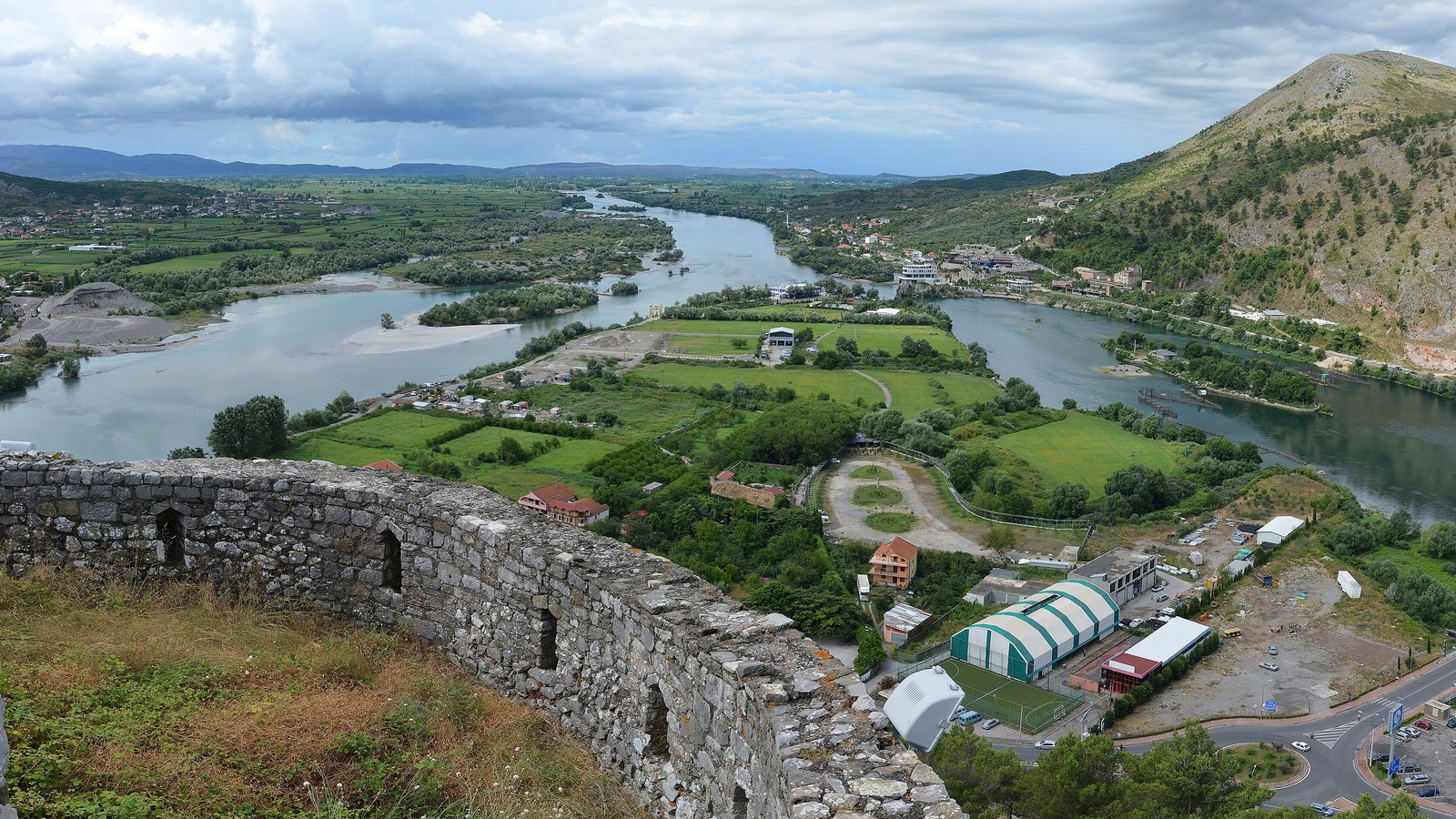
Venice hands over the fortress called Skodra, in Albania: the rettor, the council and those who wish may leave, with their goods; the armament remains. It transfers the island of Lemnos: rettor, gentlemen and whoever wishes may leave; those who stay are pardoned. It hands over the fortresses and lands taken in the war from the Sultan’s lordship, in the Morea, on the same terms. Mehmed restores the occupied lands, to the former borders of the Venetian fortresses. Negroponte is not discussed. Mani is not in the ahdname; its handover, from the parallel correspondence, will trigger Krokodeilos Kladas’s revolt.
The Senate knows of the peace by 21 February. On 25 February it orders the handover of places. Dario returns with Lütfi Bey on 16 April. Scutari is surrendered in March; the inhabitants, under Antonio da Lezze, choose to leave and end at Gradisca. In 1480 Mehmed crosses to Apulia, at Otranto. He dies on 3 May 1481. Bayezid II renews the peace in January 1482 and cuts the annual gift.
Image: Attila Terbócs (Pasztilla), the plain below Rozafa Castle, Shkodër, 16 July 2016, CC BY-SA 4.0, Wikimedia Commons. Cropped to 16:9.
Source consulted: Treaty of Constantinople (1479). Treaty text: Wright & MacKay, The Peace Treaty of 1478, Studi Veneziani LIII (2007).










0 Comments
No comments on this article yet. Be the first!