


At Fredrikshamn, today Hamina, Sweden and Russia conclude the peace that closes the Finnish War. The date of the instrument is 17 September 1809. It is not the Diet of Porvoo, where Alexander I had taken the oath in March, and it is not the Åland Convention of 1856.
For King Charles XIII, Infantry General Kurt von Stedingk and Colonel Anders Fredrik Skjöldebrand sign. For Emperor Alexander I, Count Nikolai Rumyantsev, minister of foreign affairs, and David Alopaeus, envoy at Stockholm. The text, in French, in two copies, has 21 articles. Gustav IV Adolf had been deposed in March.
Article 1: peace, friendship and good understanding. Article 2: Sweden neglects nothing toward a prompt peace with France and with Denmark. Article 3: it adheres to the Continental System; from the exchange of ratifications, the ports are closed to British ships of war and of trade, except for salt and colonial produce.
Article 4: the king, for himself and his successors, renounces irrevocably and in perpetuity the governments of Kymmenegård, Nyland and Tavastehus, Åbo and Björneborg with the Åland islands, Savolax and Karelia, Vasa, Uleåborg and that part of Västerbotten to the Torne. The inhabitants, towns, ports and fortresses pass in full property to the Russian Empire; homage to the Swedish crown falls.
Article 5: the frontier follows the Åland Sea, the Gulf of Bothnia and the rivers Torne and Muonio, as far as Norway. Islands east of the thalweg belong to Russia, those west to Sweden. Engineers mark the line after ratification. Article 8: within four weeks, the Russian troops evacuate Västerbotten west of the Torne, without requisitions, from their own magazines.
Article 6: the emperor has already, of his own act, assured the free exercise of religion, rights, property and privileges of the inhabitants; the Swedish king considers himself dispensed from the duty of reserving them in the treaty. Article 10: Finns in Sweden and Swedes in Finland may return and may sell, within three years. Article 18: 50,000 chetverts of grain a year, free of export duty, from the Russian ports of the Gulf of Finland or of the Baltic, except in years of scarcity.
Ratifications are exchanged within four weeks. At Saint Petersburg, on 13 October. It is not Finland’s independence of 1917: the text incorporates the provinces into the Russian Empire. The Grand Duchy, with its institutions, comes from the oath at Porvoo and from this cession, not from a clause of a separate state.
It is not Porvoo and it is not Åland 1856. The signatures at Fredrikshamn are Stedingk’s and Rumyantsev’s, on a text that says the renunciation is in perpetuity.
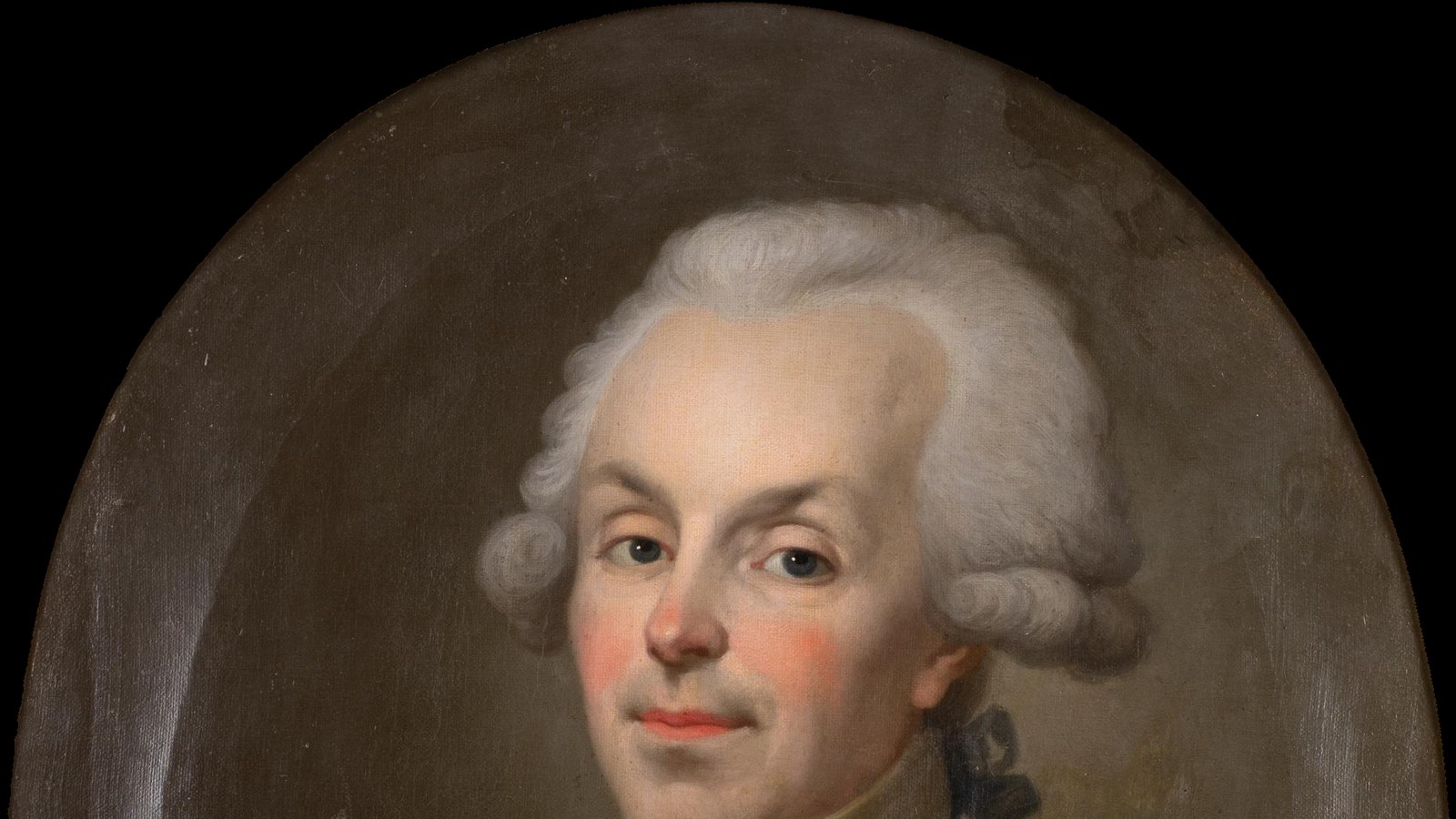
Image: Kurt von Stedingk; attributed to Lorenz Pasch the Younger, 1776; public domain, Wikimedia Commons. Cropped to 16:9.
Source consulted: Treaty of Fredrikshamn. Treaty text: The Treaty of Peace between Sweden and Russia, 17 September 1809.










0 Comments
No comments on this article yet. Be the first!