


On 11 November 1500, at Granada, Ferdinand II of Aragon signed the secret treaty by which he and Louis XII of France partition the Kingdom of Naples. The king of France had already sealed it at Chambord, on 10 October. The parties notified Pope Alexander VI, who approved the partition and recognised Louis as king of Naples. The text is in French.
Louis, after taking Milan in 1499, wanted the Angevin crown of Naples without an expensive war with Aragon. Ferdinand, master of Sicily, did not want France as an immediate neighbour. The Treaty of Marcoussis, in August 1498, had already set them “all enemies in common, except the Pope”, but had not cut southern Italy. Frederick IV, uncle of Ferdinand II of Naples and a distant kinsman of Aragon, had sat on the throne since 1496.
France takes the north: the Abruzzi, Terra di Lavoro, Gaeta and the city of Naples. Aragon takes the south, adjoining Sicily: Calabria, Terra di Bari and Terra di Otranto, in Apulia. Three districts remain unnamed: Basilicata, Principato and the Capitanate. Ferdinand claims the first two belong to Calabria and the Capitanate to Apulia. The Capitanate, with the dogana delle pecore, yields the heaviest rent of the Neapolitan state. The French dispute it.
In the summer of 1501 the allies overrun the kingdom. On 24 July the French army takes Capua. In August Frederick surrenders Naples and goes into exile in France, where he dies in 1504. Taranto falls to the Spanish only in March 1502. Meanwhile the French occupy the disputed districts and will not hand them over. The Neapolitan nobility, with estates in both parts, cannot agree.
Late in 1502 the skirmishes become war. By the end of 1503 the French are driven from Naples. Ferdinand keeps the whole kingdom. Machiavelli and later historians criticised the bargain: it invited Ferdinand into Naples without a clear border, to Aragon’s advantage.
The treaty falls within the Italian Wars. Charles VIII had taken Naples in 1494–1495 and lost it. Louis took up the Angevin claim; Ferdinand, the Aragonese one, through Sicily.
J. Rickard, on History of War, summarises the clauses and the omitted districts. Wikipedia keeps the 1454 administrative map of the kingdom, on which the partition was cut.
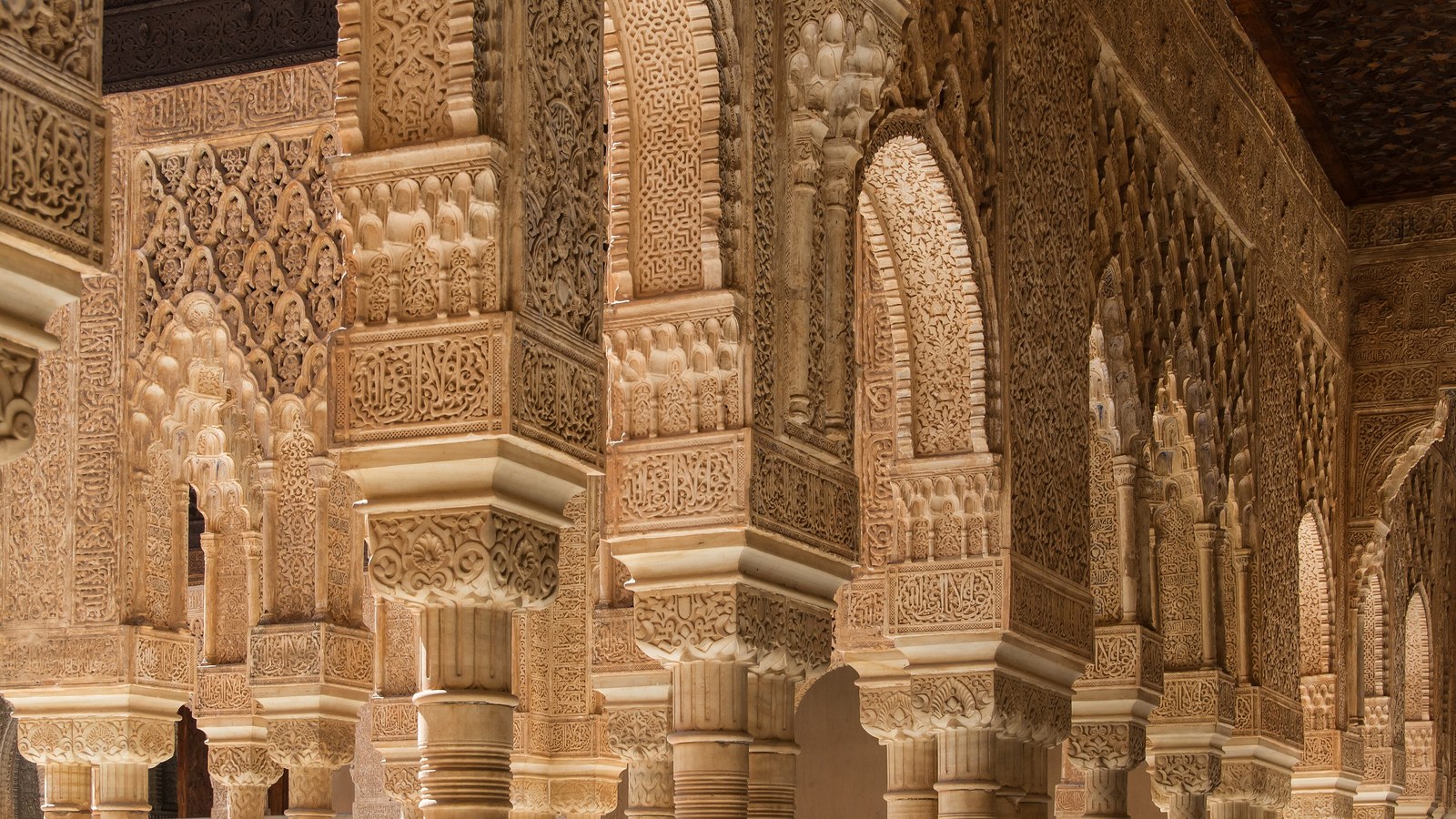
Image: Jebulon, Court of the Lions, Alhambra, Granada, 2014, CC0, Wikimedia Commons. Cropped to 16:9.
Source consulted: Treaty of Granada (1500). Treaty text: Treaty of Granada, 11 November 1500.










0 Comments
No comments on this article yet. Be the first!