


François, duke of Anjou, died on 10 June 1584 without issue. Henry III had no child. The Salic heir was his distant cousin Henry of Navarre, head of the Reformed party. In the spring of 1585 the Catholic League took towns in the north. The treaty of Joinville, on the last day of 1584, had already bound Guise, Bourbon, Mayenne, Aumale and Elbeuf to Spain against the house of Bourbon. This is not that treaty.
Catherine de’ Medici had negotiated for months at Épernay. She reached Nemours on 1 July. The articles — thirty-seven, “peace with messieurs de Guise” — were signed on Sunday 7 July 1585, at Nemours. The Queen Mother acted for the king. Present: the cardinals of Bourbon and of Guise, the duke of Mayenne, other Leaguers; the duke of Lorraine. The condition was immediate royal ratification. The physician Miron carried the paper with the original signatures to Henry III. The king signed at Saint-Maur-des-Fossés on 13 July, with Guise, the two cardinals and Mayenne. That is not a second treaty; it is the same peace.
All earlier edicts of toleration fell. Reformed worship, public or private, was forbidden. Huguenots left office. Pastors were to quit the realm without delay, on pain of death. Subjects were to convert, or sell their goods and leave France. The Protestant princes of the blood, Navarre and Condé, were struck from the succession. Henry III told Cardinal Bourbon that the accord would bring chaos and ruin. He signed in order to put himself at the head of the League.
Guise received command of the royal troops, the right to name to ranks and to hold “monstres”, that is levies. As surety, Châlons. The north-east passed under the house. Mercœur: Nantes, Saint-Malo, Dinan. Mayenne asked for Dijon and Chalon-sur-Saône; Cardinal Guise for Reims with a garrison; Aumale for towns in Picardy. The king was to pay the Swiss and the League’s mercenaries as they were disbanded. Subsidies were promised to the Guises.
On 18 July the king held a lit de justice in the Parlement of Paris, to force registration. On 19 July the League issued its version of the edict. Étienne Pasquier: “ceste paix est le renouvellement d’une vieille guerre.” The declarations of 7 October 1585 and 26 April 1586 tightened confiscations. In September Sixtus V excommunicated Navarre and Condé. The Béarnais’s protest manifesto is dated 9 August.
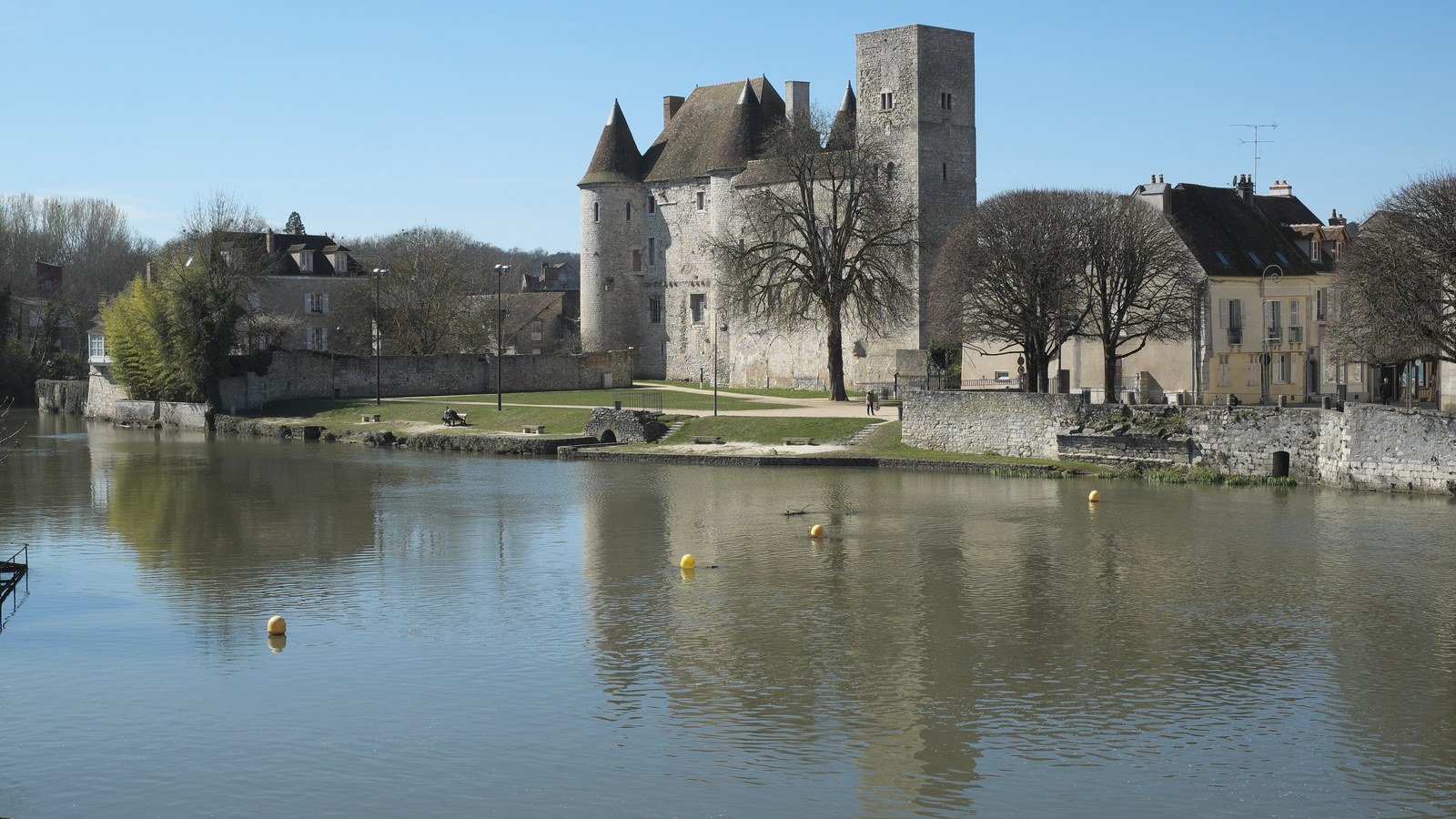
The eighth war of religion — the War of the Three Henrys — lasted until the Edict of Nantes, 1598. Guise was killed on the king’s order in 1588; Henry III by a League monk in 1589. This is not the Edict of Beaulieu of 1576, and not Nantes. The cover is the château of Nemours, on the Loing, the place of the July articles.
Sources: Treaty of Nemours; Lettres de Catherine de Médicis, vol. VIII (1582–1585).











0 Comments
No comments on this article yet. Be the first!