


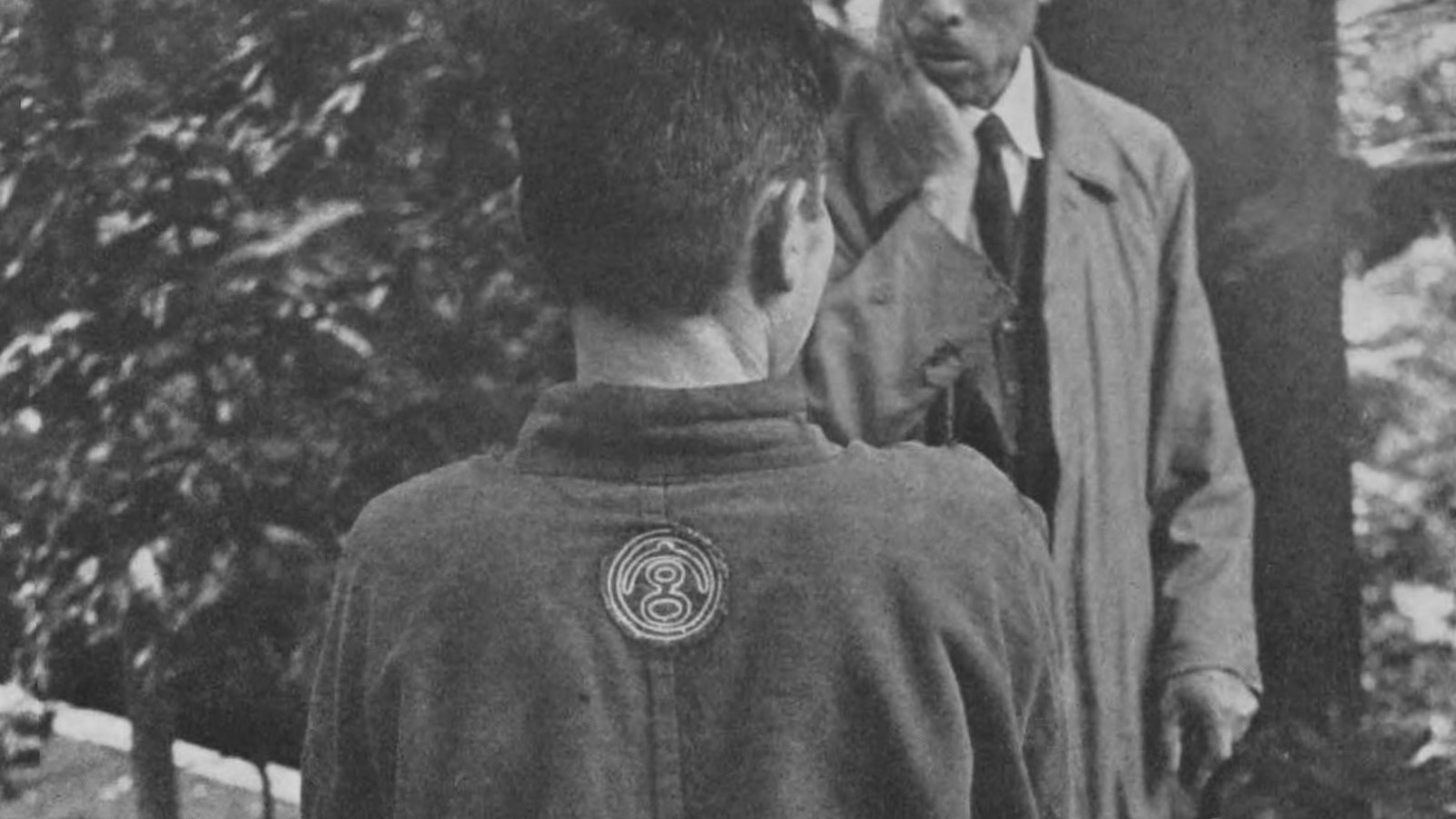
On 9 June 1952, Japan and India sign the Treaty of Peace — restoring relations after New Delhi refused to attend the 1951 San Francisco Conference.
Nehru considered the San Francisco system to limit Japanese sovereignty. The bilateral treaty restores trade, shipping and aviation on a most-favoured-nation basis and provides for fishing negotiations on request.
India waives war-reparations claims; Japan restores Indian property and waives war-related claims against India, except as acknowledged by Indian law.
The treaty takes effect after exchange of ratifications in New Delhi. It opened the way for 1950s India–Japan economic cooperation.
For postwar Asia, 9 June 1952 marks a separate peace, distinct from San Francisco, along India’s non-alignment line.
The text appears in both states’ diplomatic collections.
The Japan–India Peace Treaty of 9 June 1952 remains the act that reopened bilateral relations after the war.
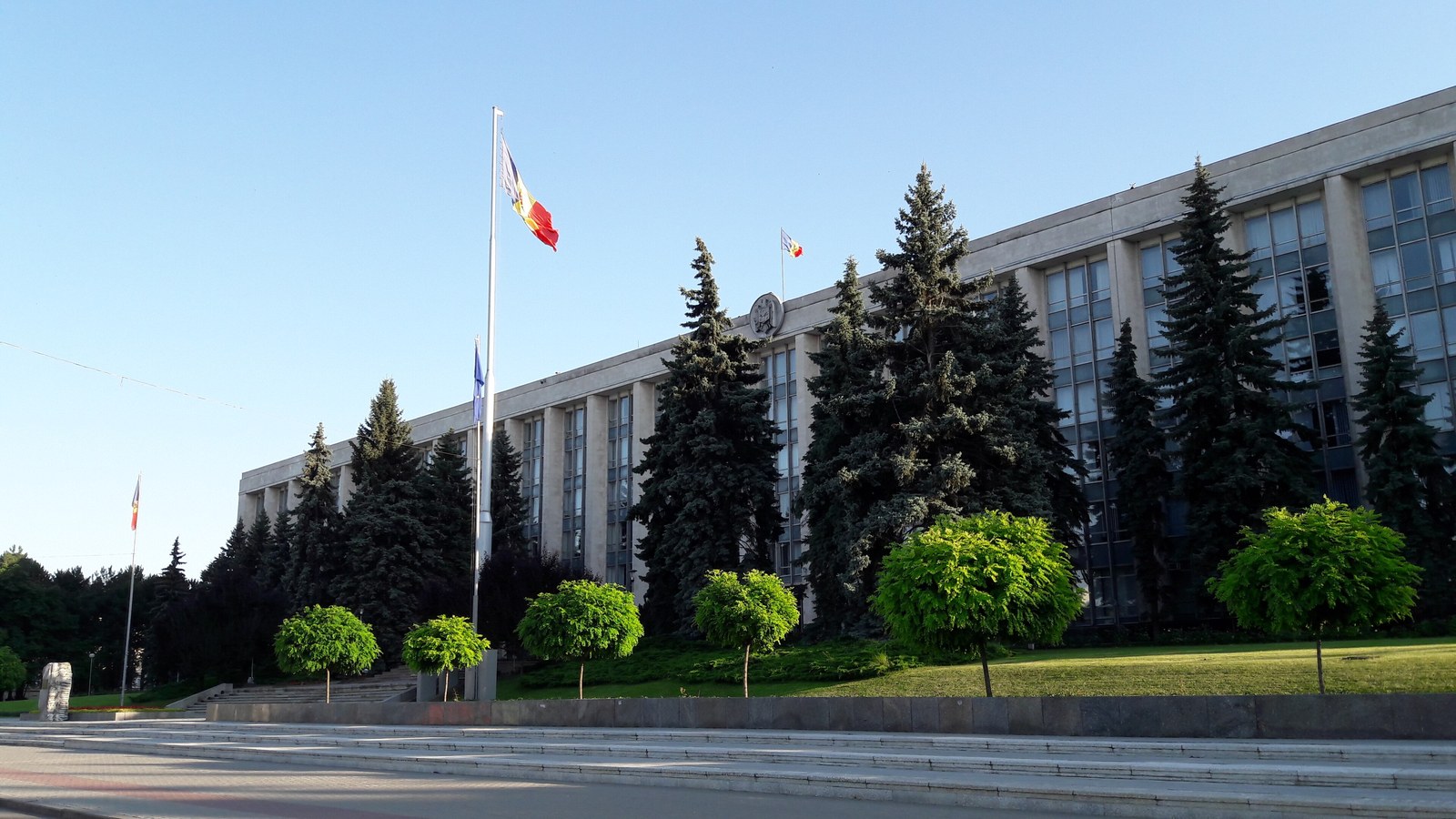
Image: Japan / India; Wikimedia Commons. Cropped to 16:9.
Source consulted: Treaty of Peace Between Japan and India. Treaty text: Japan–India relations (MOFA Japan).






0 Comments
No comments on this article yet. Be the first!